
THE APEX TIMES
Debate resurfaces over Washington’s former Redskins branding and what it means for Josh Harris’ legacy
A renewed conversation among Washington fans and observers asks whether the franchise’s former name and logo should remain visible in merchandise tied to past players, even as ownership changes and the team’s public identity evolves.
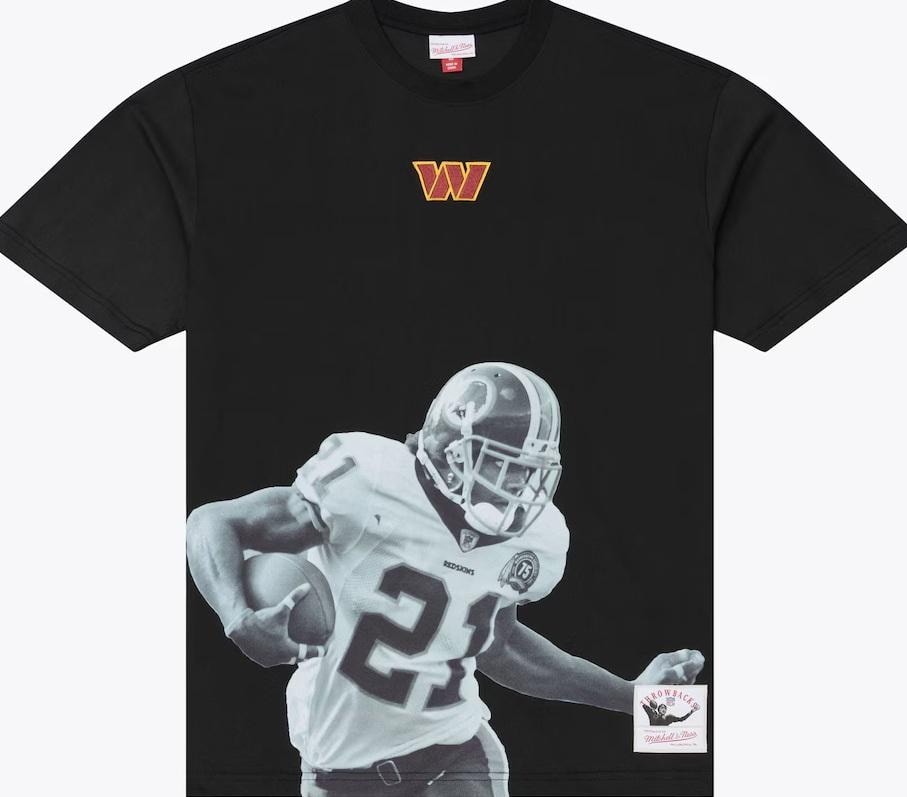
What should matter most in sports culture is performance, but in Washington the conversation often starts somewhere else. A Daily Slop collection of commentary resurfaced the question of whether the Commanders, under owner Josh Harris, should keep leaning on the old Redskins name and logo when selling merchandise connected to former players, especially those tied to the franchise’s championship history.
The specific prompt is not about rewriting the record books. It is about branding in the present tense, and whether fans can or should treat the old logo as a living part of team identity rather than a relic. The piece frames the issue through fan experience, pointing to the way longtime supporters still connect the franchise’s three Super Bowl-winning eras to the markings that defined those decades.
At the same time, modern sports branding operates under different expectations than it did when the Redskins name and crest were first established. Today, teams are more likely to treat identity as a commercial system, with clear lines between nostalgia and present-day representation. That makes merchandise a flashpoint, because it is both symbolic and transactional. A jersey, hat, or commemorative item does not just reflect history, it actively indicates what the organization is willing to put into circulation.
The ownership question is why this debate lands now. Harris is the current face of the franchise’s leadership, and any merchandising posture can be interpreted as a statement about how the team wants to manage its past. Even when no sweeping decision is announced, fans tend to read what gets emphasized or minimized in retail as a proxy for broader choices: what chapters are honored, what names are foregrounded, and what imagery remains acceptable or marketable.
There is also a social dimension to the discussion that goes beyond team marketing. Team logos and nicknames have historically carried different meanings to different audiences. For some fans, the old branding represents continuity and pride, especially when linked to the franchise’s greatest moments. For others, it represents a past that should not be amplified, even if individual players, teams, and personal memories remain worth respecting.
In the NFL’s wider ecosystem, this kind of dispute shows up in other forms too. Teams that rebrand, move venues, or retire long-standing symbols often face the same friction between public identity and fan sentiment. The league has generally moved toward clearer, uniform branding policies over time, but the day-to-day reality of merchandising means the public sees a mix of old and new materials depending on licensing, supply, and retail partners.
What to watch next is not a single headline, but the pattern. If the franchise or its partners continue to feature former-era imagery prominently in fan-facing product, the argument about whether it is appropriate will likely persist. If the franchise pulls back, reduces visibility, or limits certain “linked to former players” items, the debate will shift toward whether that approach is thoughtful preservation or selective amnesia.
For now, the most accurate takeaway is that the question remains unresolved in the public square. The Daily Slop framing makes clear that the controversy is as much about meaning as it is about logos, and that Harris’ stewardship will be judged not only by on-field outcomes but by how the franchise packages its history. Fans who want clarity will be looking for indicates in what appears in stores and online, and for how the team explains its choices when the branding becomes part of the fan experience rather than a background detail.
Why It Matters
- Merchandising is a visible proxy for how a franchise chooses to frame its past, which can shape fan feeling even when results on the field are the main driver of engagement.
- Brand management influences how the league’s overall culture of identity and symbolism is understood by supporters and critics alike.
- If the team adjusts how it treats former-era imagery, it can affect both the retail market and the sense of continuity for different generations of fans.
Sources
Key Facts
- The renewed conversation centers on whether Washington should continue to use the former Redskins name and logo in merchandise connected to former players.
- The debate is linked to ownership decisions associated with Josh Harris.
- The commentary references the franchise’s three Super Bowl-winning eras as part of why some fans view the old branding as integral to team identity.
- The discussion is presented as an editorial-style question compiled by Hogs Haven via Yahoo Sports’ Daily Slop format.