
THE APEX TIMES
Debunked electrical substation theory keeps resurfacing around 49ers practice field
A recurring explanation for San Francisco’s recent injury chatter, the idea that a nearby power substation is harming players, has continued to circulate even after it was challenged. Here is what the claim is, why it persists, and what fans should look for when assessing injury narratives.
The idea that the San Francisco 49ers’ practice environment includes an unseen cause for player injuries is again taking up bandwidth in football conversation. A theory tied to the proximity of an electrical substation to the team’s practice field has resurfaced, with online discussion framing the location as a potential driver of health problems. The recurring storyline is not new, but what is notable is its persistence, even after the basic premise was reportedly debunked.
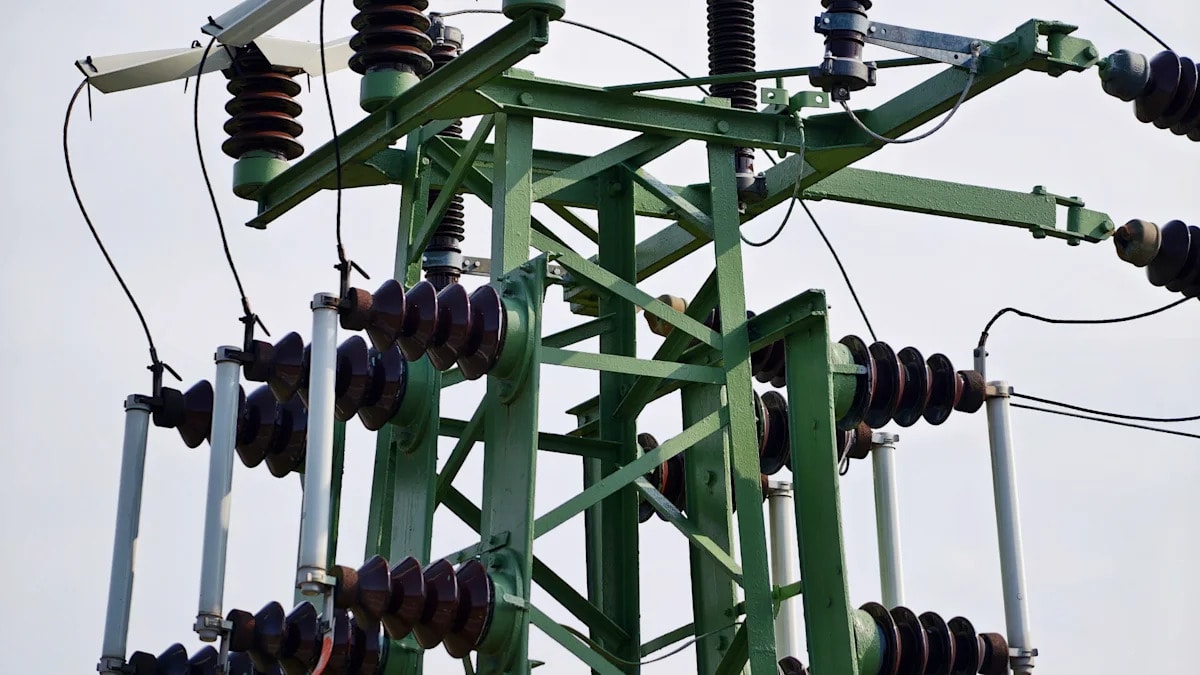
In the version currently circulating, the claim is straightforward: because an electrical substation sits near the 49ers’ practice area, the surrounding electrical conditions are said to contribute to injuries. The argument leans on a familiar sports logic, that environmental factors can “explain” patterns of soreness, setbacks, or missed time. The problem is that the theory has already been contested. The renewed attention, therefore, is less about new evidence and more about how debunked claims can regain traction when they fit an existing fear or frustration about injury frequency.
The 49ers’ injury experience, like any NFL team’s, will inevitably produce a steady stream of headlines during training camp and the grind of the regular season. That constant output creates fertile ground for theories that attempt to connect separate events into one cause. If a player misses practice, limits reps, or is sidelined, the story can quickly evolve into speculation about why. When the explanation offered is simple and location-based, it can be repeated without requiring confirmation of mechanism, measurement, or causation.
That is the central theme in the current discussion around the substation theory: belief often outruns verification. The renewed resurfacing described in the reporting points to a wider “post-truth” dynamic in sports coverage and fan forums, where opinion can travel faster than fact-checking. The claim is emotionally satisfying because it offers an outside villain, something tangible that feels controllable. In reality, the difference between proximity and causation is large. A nearby structure does not automatically translate into a health hazard, especially without consistent data showing that a specific exposure level correlates with outcomes.
Practically, fans should also distinguish between injury updates that are routine in the NFL and any attempt to attribute those updates to a particular environmental cause. Teams do not release comprehensive explanations for every physical setback, and even when they do provide guidance, it usually involves football-related variables such as workload management, recovery timelines, and on-field contact. Those are measurable within the team’s operations. Environmental claims, by contrast, require independent verification that goes beyond what is typically available during camp.
So what to watch next is not whether the theory returns again, because it likely will. The more relevant question is whether anyone involved with the story can move from repetition to proof, such as publishing evidence that addresses the mechanism and measurements at the practice site. Until then, the healthiest approach for viewers is to treat the substation explanation as a recurring talking point, not as a confirmed cause. If the 49ers’ injury narrative continues to change, it will still have to be evaluated with the same standard applied to every other speculation in sports: correlation is not causation, and a debunked premise does not become true simply because it is repeated.
Why It Matters
- Injuries are a central storyline during training camp, and explanations that appear to “connect the dots” can shape how fans interpret routine setbacks.
- Debunked environmental theories can distract from the team’s actual injury management, recovery decisions, and day-to-day workload factors.
- The pattern highlights a broader information problem in sports media, where repetition can substitute for verification.
Sources
Key Facts
- The electrical substation theory claims that the proximity of a power substation to the 49ers’ practice field is linked to player injuries.
- The theory has been described as having been debunked, yet it continues to resurface in public discussion.
- The renewed attention centers on how sports narratives can spread even when factual support is weak.