
THE APEX TIMES
Deebo Samuel’s Hamstring Puts San Francisco’s Receiver Depth Plan Under Pressure
With Deebo Samuel sidelined by a hamstring injury after a Week 5 setback against Seattle, the 49ers are leaning on practice-squad receiver depth and reshaping their weekly targets at a critical time in the season.
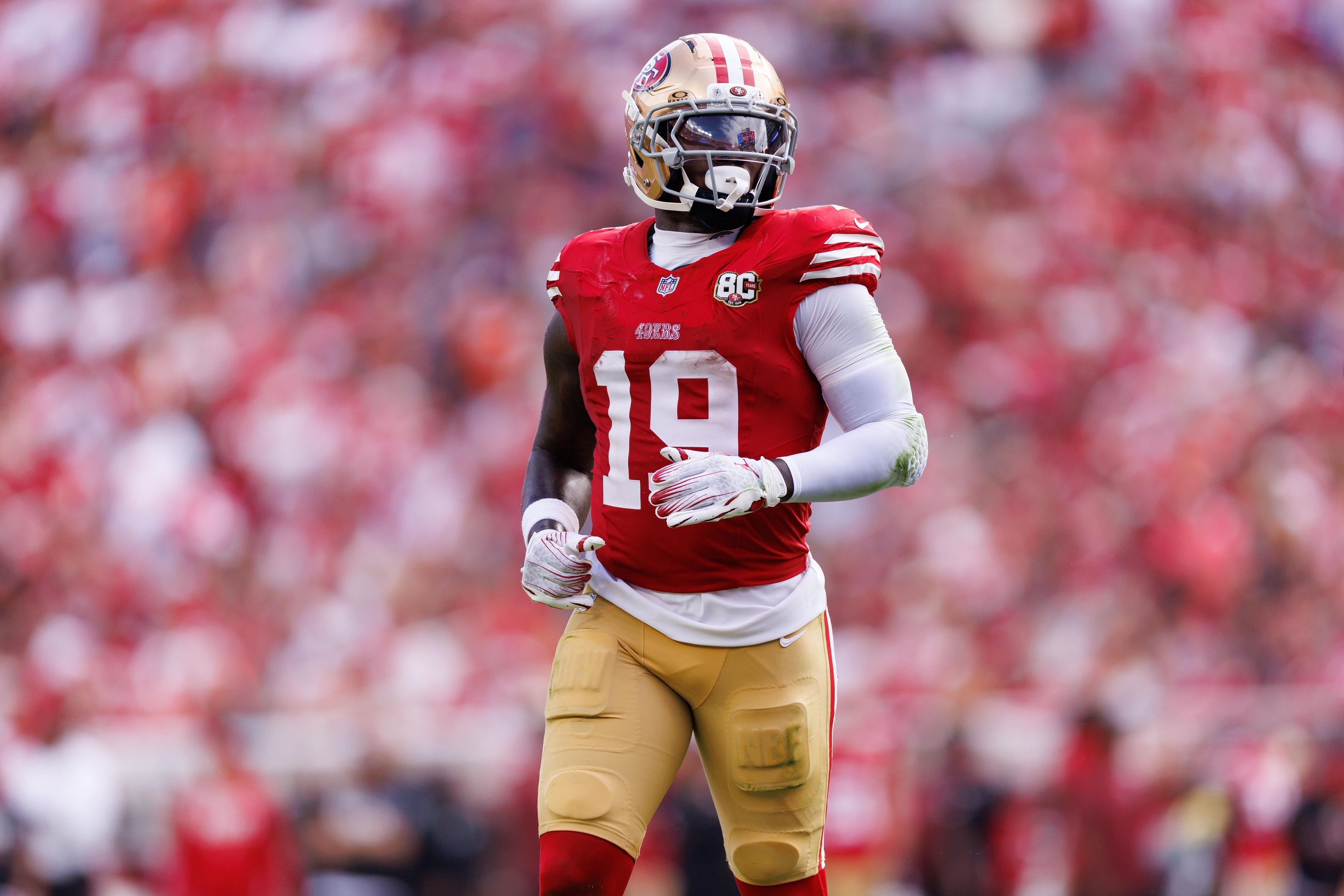
The San Francisco 49ers’ receiver plan has been forced into an adjustment after Deebo Samuel left a Week 5 game against the Seattle Seahawks with a hamstring injury. The change is significant not only because Samuel is a downfield and after-catch threat, but also because his role often connects the passing game to touches in space, making him more than a traditional wide receiver in the 49ers’ offense.
According to Yahoo Sports, Samuel was injured after attempting to hit the edge, and the play ended with a non-contact fumble before he was ruled out. Samuel, 30, had been central to the identity the 49ers build with their playmaking, and his absence creates immediate questions about who can absorb his usage across targets, designed touches, and the timing routes the offense runs to stress defenses.
The most concrete roster detail provided in the report is that San Francisco has three receivers on its practice squad. That means the next phase of the receiver rotation will likely depend on internal options already familiar with the system, and on how quickly the team can elevate one or more players to fill the snaps and routes Samuel would have run.
With Samuel out, the 49ers’ week-to-week offensive emphasis may have to shift. In practical terms, San Francisco may prioritize quicker passing concepts, short-to-intermediate throws that reduce the margin for timing and separation, and additional work for complementary playmakers who can win with route discipline rather than pure explosiveness. Teams can also compensate for the loss of an edge-and-space threat by using more motion and misdirection, which can create the same “space stress” Samuel often generates even when the personnel changes.
Still, the receiver depth question is not just about who is on the field, it is about how the offense protects itself. When a primary receiver is removed, the quarterback’s read progression and the protection patterns can be impacted, especially if defenses respond with different coverages designed to funnel targets elsewhere. San Francisco will need to ensure that the remaining receiving options get clear roles, whether that means concentrating targets to a subset of players or balancing the distribution to avoid overloading any single matchup.
For fans, the key to how well the 49ers handle the loss will be visible in the next games: whether the offense can sustain drive pace without Samuel’s big-play variance, and whether the passing game can keep defenses honest enough to prevent the run and play-action concepts from being compressed. If the practice-squad group is elevated quickly, their routes, target shares, and the quarterback’s decision-making on timing plays will become the practical measuring stick.
San Francisco also now has to navigate a season-long reality for receiver depth. Hamstring injuries often require week-to-week management, and even if Samuel’s availability changes later, the early portion of his absence is where trust gets established with the next wave of options. The 49ers’ response will reveal whether their receiver corps can operate as a unit when a signature skill player is removed.
Why It Matters
- Samuel’s role blends receiving and touches in space, so his absence can force broader changes than simply replacing targets.
- The receiver depth plan will be tested quickly, especially if practice-squad options must be elevated to maintain offensive rhythm.
- How San Francisco adapts in coverage and route concepts will influence whether opponents can compress the middle and limit play-action looks.
- The next games will show whether the 49ers can sustain drives and create explosives without Samuel’s impact.
Key Facts
- Deebo Samuel suffered a hamstring injury in a Week 5 game against the Seattle Seahawks.
- The incident followed an attempted edge run that ended with a fumble on a non-contact play.
- Samuel is listed as 30 years old in the report.
- San Francisco has three receivers on its practice squad.