
THE APEX TIMES
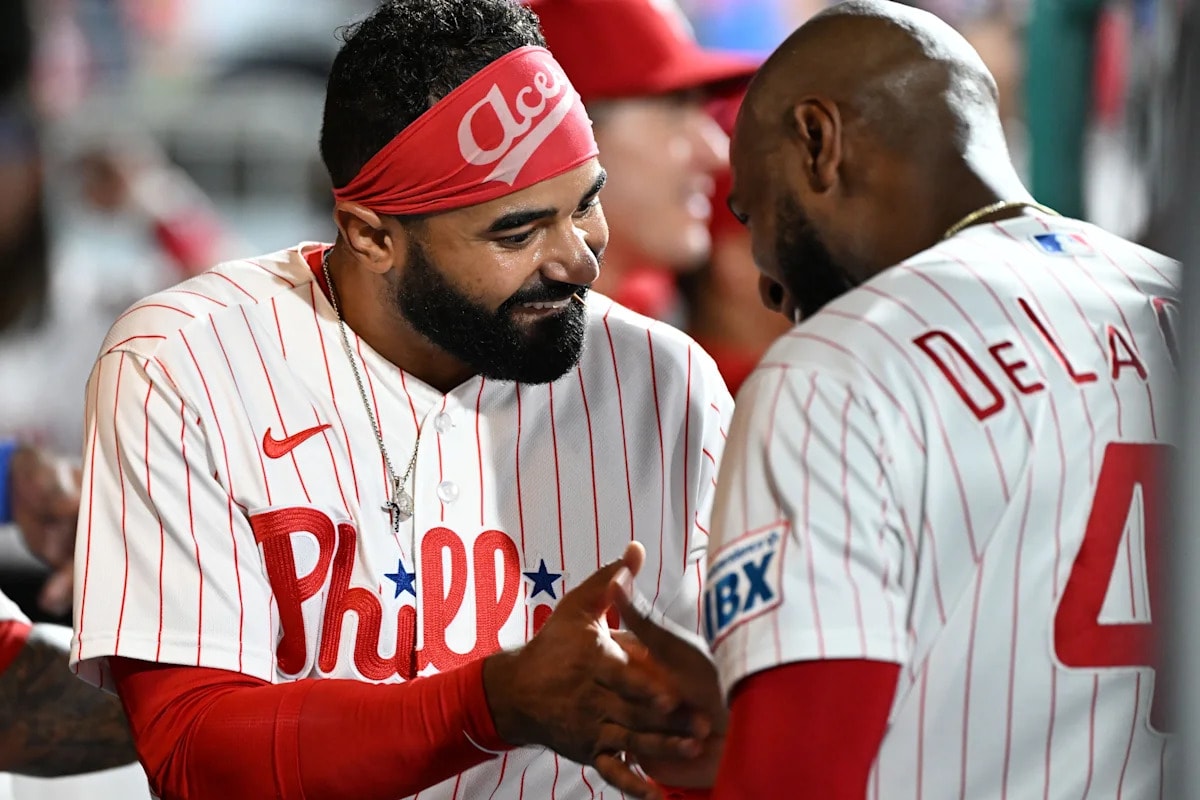
Derek Hill and Bryan De La Cruz add right-handed outfield bats the Phillies have been missing
As the Phillies continue shaping a roster built for September and October, Derek Hill and Bryan De La Cruz have emerged as the right-handed outfield balance the lineup has needed, offering an extra layer of matchup flexibility with the games tightening up.
The Phillies have leaned on a familiar kind of mid-to-late season problem: building a lineup that can win against different pitching profiles without forcing the same bats to do everything. In that context, Derek Hill and Bryan De La Cruz have been framed as quietly important additions, specifically because they give Philadelphia a more reliable right-handed outfield bat presence. The point is not simply that they are outfielders, but that they add variety to a team’s offensive looks when pitchers start to get more deliberate and managers start to lean harder on platoons and matchup reads.
Right-handed bats tend to matter most when a season moves past the early experimentation stage. As scouting books get thicker and pitchers’ patterns become more predictable, lineups often become more about identifying what an opponent cannot comfortably neutralize. In that framework, adding more right-handed outfield options can change what a starter can throw to which bat, and it can also affect how aggressively an opposing manager is willing to shift their bullpen around handedness.
Hill and De La Cruz, both included in the discussion as roster elements the Phillies “have been missing,” represent two different versions of what teams try to solve for late in the season. One piece is the straightforward utility of having an outfielder who can swing from the right side. The other is what that does to the rest of the lineup. When you can keep more of your at-bats aligned to preferred matchups, the lineup’s most important hitters do not have to carry the entire burden of facing the same handedness and the same defensive plan every night.
NBC Sports Philadelphia’s coverage, later repackaged by Yahoo Sports, emphasizes the idea of “everything they were missing,” which is less a statement about a single game and more a roster-level claim. It suggests the Phillies’ offensive identity has gained a more complete shape, with the right-handed outfield bat profile functioning as a piece that allows other parts of the roster to stay in their best lanes.
For the Phillies, the outfield is more than a defensive unit. It is also a lever in how they manage tempo and matchups. When the right-handed outfield option is available, the club can better accommodate late-inning substitutions, pinch-hitting decisions, and defensive reassignments without turning every change into a forced compromise. That kind of flexibility can matter in close games, when a single matchup can decide whether a manager sends a specific hitter up in a critical inning.
There is also a psychological component that teams do not always acknowledge publicly. Late-season rosters are often judged by whether they feel “set,” not whether every player is perfect. The argument in this case is that the Phillies have been missing a particular balance, and that Hill and De La Cruz help fill it. Whether that balance translates to sustained production depends on how opposing pitchers respond, how often Philadelphia can keep favorable matchups intact, and how consistently the bats perform when the margin for error shrinks.
What to watch next is not just how often Hill and De La Cruz appear, but how the Phillies deploy them relative to the handedness and style of incoming pitchers. In the final stretch of the regular season, the best evidence of whether a “missing piece” has arrived is repeatability: can the Phillies keep this right-handed outfield element in play across a variety of scenarios without losing offensive efficiency? If they can, then the “quiet” roster fix becomes a meaningful competitive advantage heading into the postseason.
Because this story’s factual basis is limited to the Yahoo Sports/NBC Sports Philadelphia framing and does not include specific performance metrics in the available text, some of the operational details must remain generalized. This coverage reads as a roster-construction assessment rather than a statistical recap, so any stronger evaluation will require additional reporting on how Hill and De La Cruz have been used game-to-game and how their at-bats have affected outcomes against different pitching matchups.
Why It Matters
- Right-handed outfield bats can expand a lineup’s matchup options, especially against teams that lean into handedness planning.
- Outfield flexibility affects not only daily starting lineups but also late substitutions, pinch-hitting plans, and defensive reassignments.
- If the Phillies can consistently maintain favorable matchups, their most important hitters can stay in more stable at-bat situations.
- A clearer right-handed outfield profile can help determine how the Phillies build their postseason bench and platoon plan.
Key Facts
- The Phillies have been identified as needing right-handed outfield bats as their late-season roster configuration takes shape.
- Derek Hill and Bryan De La Cruz are the two right-handed outfield options highlighted in that discussion.
- The framing emphasizes roster balance and matchup flexibility rather than a single standout moment.
- The coverage ties the Phillies’ offensive balance to how pitchers and managers adjust more deliberately as the season progresses.