
THE APEX TIMES
Derrick Henry finds paydirt on an 18-yard TD catch as Ravens close to 17-15 behind key scoring drive
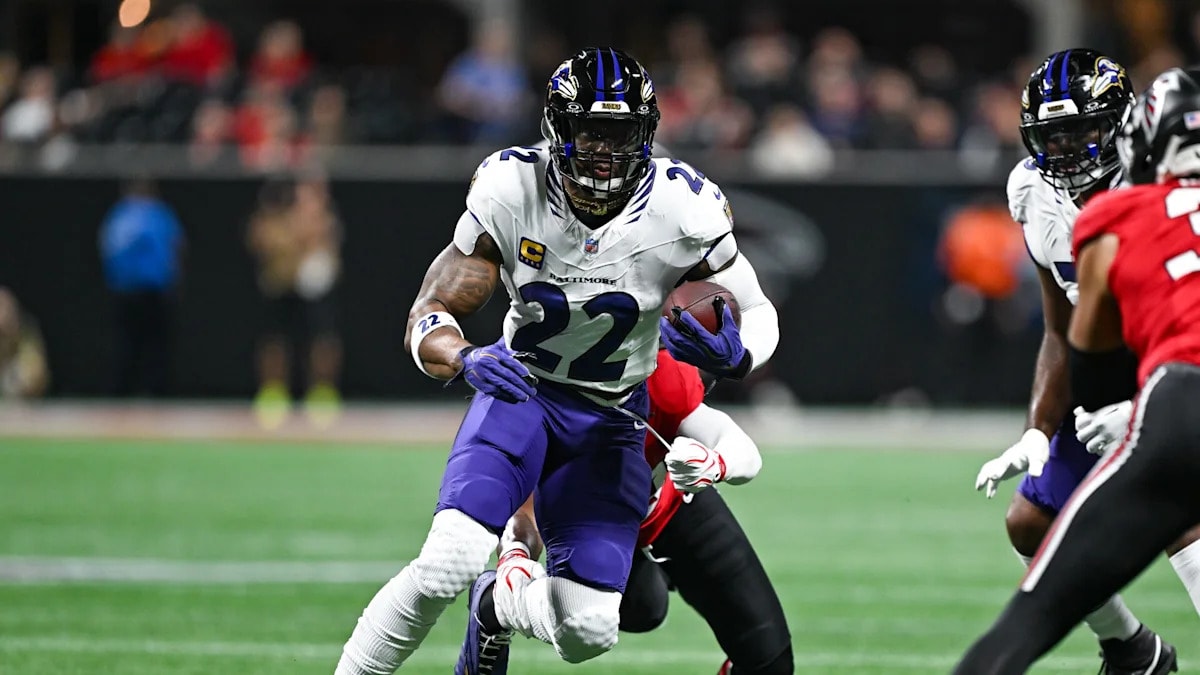
After settling for field goals early, Baltimore got its big-play finishing touch from Derrick Henry, who capped a scoring sequence with an 18-yard touchdown reception to pull the Ravens closer to the Falcons.
Derrick Henry provided the jolt the Baltimore Ravens were looking for, turning an offensive opportunity into a touchdown reception as the Ravens trimmed the deficit to 17-15. The score came on an 18-yard play, with Henry turning the moment into points after Baltimore had gone through the first half without finding the end zone offensively.
According to the game report, the Ravens had been forced to settle for field goals earlier in the contest. That pattern matters because it changes how a drive feels on both sides of the ball. With no touchdowns yet, Baltimore’s margin was always at risk of being erased by a mistake or a slow defensive stand, even if the offense could still generate enough yardage to move the chain.
Henry’s touchdown reception also shifted the way the Falcons had to think about the next Ravens series. A tight, short-to-intermediate passing play that finds Henry in space indicates a deliberate design element, and it puts linebackers and safeties into a different type of coverage responsibility. Even when the total yardage stays similar, the ability to convert drives into touchdowns forces defensive play-callers to take away fewer looks, which can open up other parts of the route tree.
The fact that Henry’s score came after a first half that ended in field goals highlights a common mid-game swing point. Once a team breaks through with the run-heavy identity fans associate with Henry, it can also re-balance the offense’s posture, taking away the defense’s sense that the Ravens only have one path to the red zone. That can translate into more favorable down-and-distance opportunities for subsequent plays, particularly when the offense is trying to manage time and keep momentum.
For the Falcons, the scoreboard pressure is immediate. Holding a lead is one thing, but giving up a touchdown can flip the feel of late-game decision-making, especially if Baltimore’s defense can get the ball back quickly. With the score reading 17-15 at the time of the touchdown, Atlanta’s next offensive possession becomes a referendum on whether it can sustain drives and keep the Ravens from regaining complete control of the game.
What to watch next is how both teams respond in their red-zone sequencing. Baltimore’s ability to keep Henry involved after already getting points through the air will be a key indicator of how committed the Ravens are to using him as a weapon across multiple phases. On the other side, Atlanta’s defensive adjustment after conceding the 18-yard TD reception will show whether it can limit the big-play threats without sacrificing too much underneath.
As the game continues, the early scoring context remains important. The Ravens’ touchdown, arriving after a run of field goals, suggests they were waiting for the right matchup and execution window. If Baltimore can follow it with another scoring drive, the momentum will not just be felt on the scoreboard but also in how each team’s coaching staff chooses risk level, route combinations, and clock management.
Why It Matters
- Henry’s reception adds a major red-zone conversion option for Baltimore after early scoring stalled at field goals.
- Converting into touchdowns can change how defenses play the full Ravens offense, not just their run game.
- With the Falcons holding a narrow 17-15 lead, the next possessions could determine who controls the closing stretch.
- The play emphasizes how Henry can be used as a matchup weapon in multiple dimensions, which can affect defensive coverage choices for the rest of the contest.
Sources
Key Facts
- Derrick Henry recorded an 18-yard touchdown reception for the Ravens.
- The touchdown pulled Baltimore closer to the Falcons, with the score at 17-15 at the time of the play.
- Baltimore had settled for field goals earlier in the first half.
- The play ended a Ravens scoring sequence after a first half that did not produce a touchdown.
- Henry’s touchdown came through the passing game, not a rushing attempt.