
THE APEX TIMES
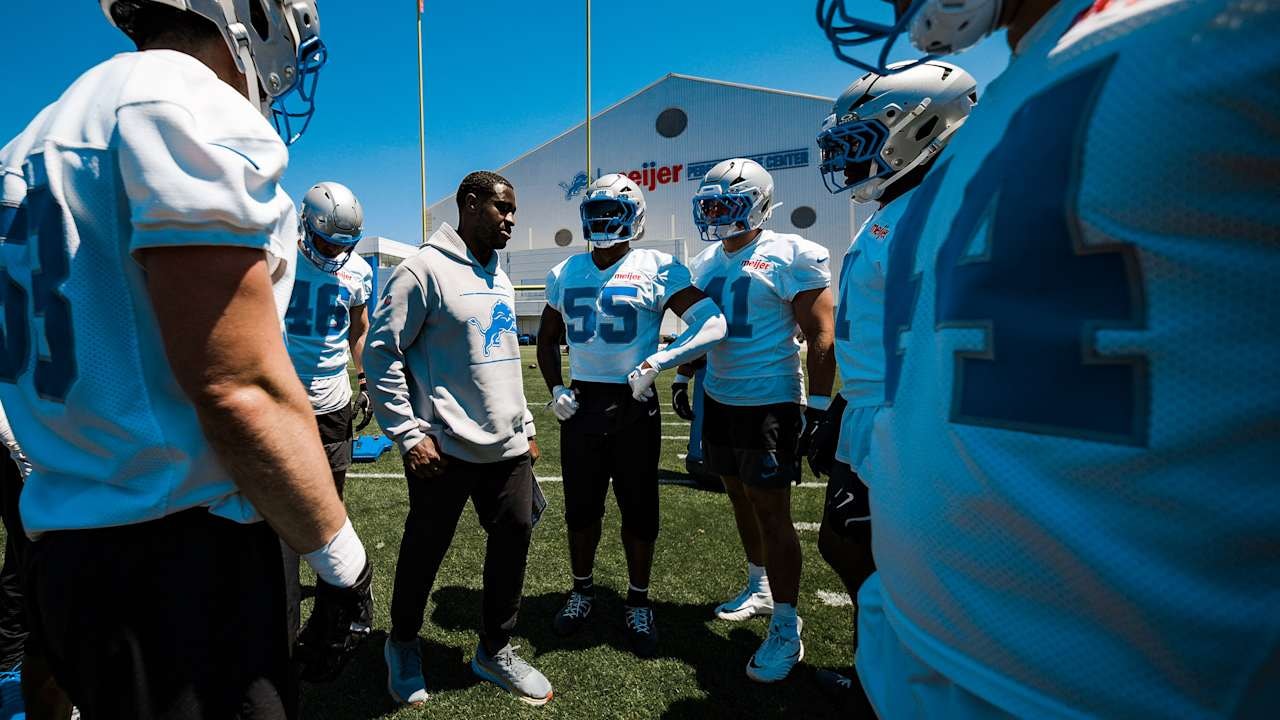
Detroit Lions linebacker group takes center stage in 2026 training camp preview
A position-by-position look at camp practices highlights how the Lions are shaping their middle-of-the-field and edge-to-edge options with Jack Campbell, Derrick Barnes, Malcolm Rodriguez, Jimmy Rolder, Damone Clark, Trevor Nowaske, Joe Bachie and Erick Hunter.
Detroit’s 2026 training camp preview turns to the linebacker room, outlining the mix of starters, rotational contributors, and developmental pieces the Lions plan to evaluate as practices get under way. In the NFL, camp linebacker work is not just about tackling in space. It is also where defenses sort out run fits, coverage responsibilities, and the communication demands that carry over into the regular season.
The preview from the Lions focuses on the group’s overall construction, led by Jack Campbell and Derrick Barnes as veteran anchors in the middle. Alongside them, Malcolm Rodriguez is identified as a key piece in the Lions’ linebacker picture, giving the unit flexibility for different looks and personnel groupings.
The Lions also put emphasis on depth and potential on the roster. Jimmy Rolder, Damone Clark, Trevor Nowaske, Joe Bachie and Erick Hunter are listed as part of the camp linebacker corps, each representing a distinct path to playing time. In training camp, that matters because the linebacker job is often split among multiple roles depending on down-and-distance, opponent tendencies, and the defensive staff’s matchup plan.
A useful way to think about this group is by how linebacker responsibilities change from early-season installations to later-week game planning. During camp, coaches typically use practice reps to confirm assignments and timing, with linebackers tasked to identify where the run is headed, who has leverage in coverage, and how the front communicates protections and stunts. Those details tend to show up in small moments, like whether a linebacker attacks the correct gap, sinks at the right depth, or wins the “next-read” decision quickly.
Because the Lions list a broad set of linebackers, the camp story is also likely about competition for reps. Even when a team has a clear starting posture, meaningful playing time in the NFL often goes to the linebacker who can do the job across multiple phases, from run defense to coverage responsibilities to special teams. Training camp is where those skills are tested repeatedly, and where the coaching staff decides which players are reliable enough to trust when the defense is under pressure.
Another theme in position previews like this is the emphasis on how linebackers fit into the team’s broader defensive identity. The unit’s balance, from players who can command the middle to those who can cover or move laterally, provides the defensive staff options to adjust coverage shells and pressure packages. With a stacked offseason of fundamentals and installation work, the Lions’ linebacker group becomes a measuring stick for how smoothly their defense can adapt.
For fans, the practical takeaway is that the Lions’ camp evaluation will likely extend beyond headline names. The most important outcomes in the next few weeks are which linebackers consistently get assignments right, who displays quick processing in coverage, and which players turn physical traits into repeatable technique. Those are the traits that usually determine the rotation order once the regular-season lineup begins to lock in.
As training camp progresses, watch for how quickly the unit settles into its roles. If the middle-of-the-field identities form early, Detroit can experiment more confidently with second-level adjustments later. If the competition remains tight, expect more reps with different combinations as coaches look to find the best matchups for both run defense and coverage responsibilities.
Why It Matters
- Linebackers are central to both run defense and coverage, so camp decisions there often shape the defensive rotation.
- A larger linebacker group gives the Lions flexibility to tailor matchups with different personnel and coverage looks.
- How quickly the unit processes assignments in practice typically determines defensive stability in the early regular season.
- Special teams opportunities frequently overlap with linebacker depth, adding another layer to camp competition.
Sources
Key Facts
- Detroit’s official training camp preview focuses on the linebacker position heading into 2026 practices.
- The preview lists Jack Campbell and Derrick Barnes among the linebacker group.
- Malcolm Rodriguez is also highlighted as part of the Lions’ linebacker corps for camp evaluation.
- The Lions’ rostered linebacker group in the preview includes Jimmy Rolder, Damone Clark, Trevor Nowaske, Joe Bachie, and Erick Hunter.
- The preview frames the linebacker position as an area where camp reps matter for role clarity and on-field execution.