
THE APEX TIMES
DeWanna Bonner’s return to Phoenix is cut short again after another buyout
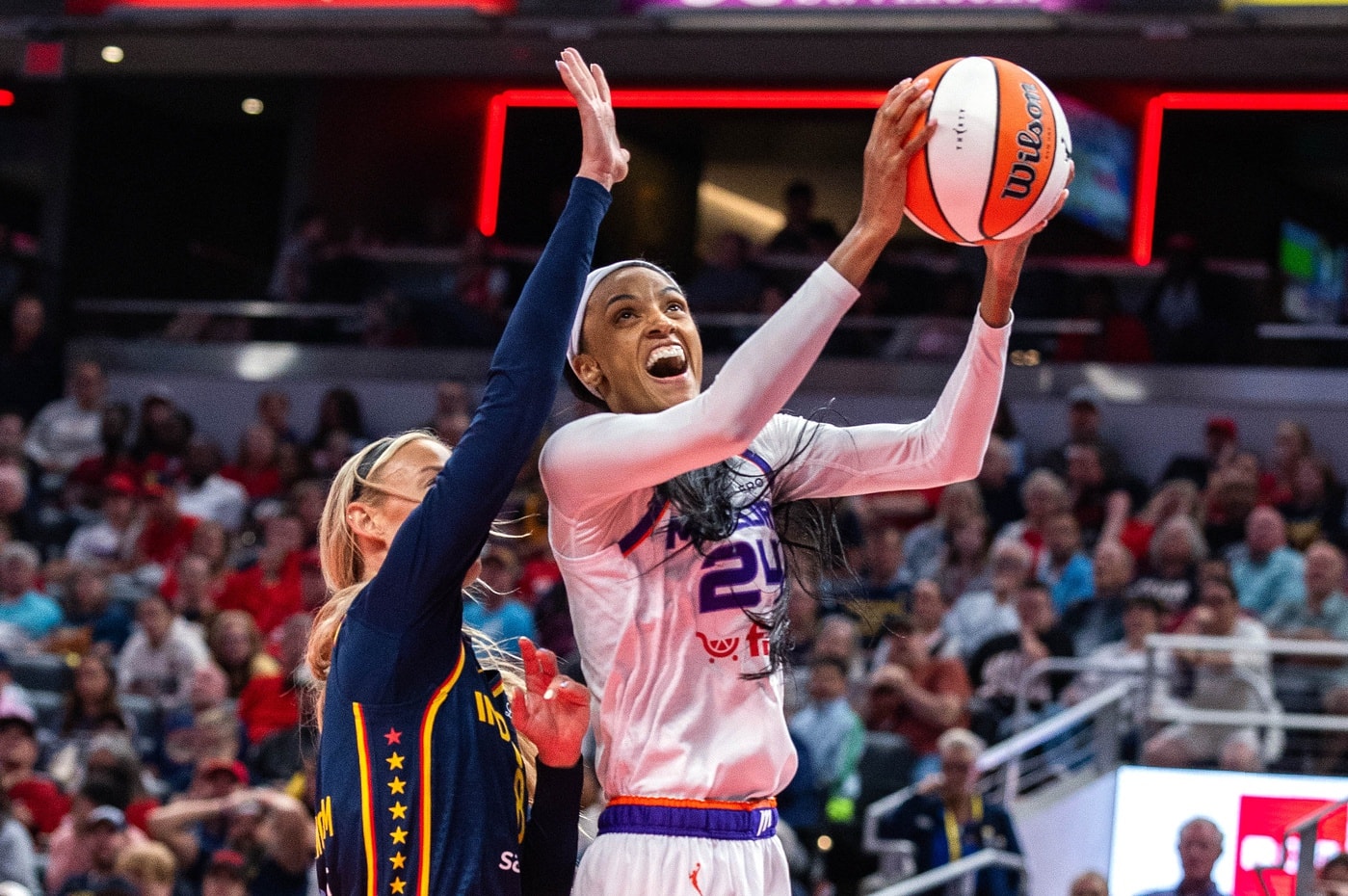
The veteran forward was waived by the Indiana Fever in June and then re-signed with the Phoenix Mercury, but the Mercury’s decision to move on once more means another sudden chapter for a player who has spent much of her career supplying playoff-ready minutes.
DeWanna Bonner’s time with the Phoenix Mercury is ending sooner than expected, according to a report from Yahoo Sports published on Aug. 28. The article describes a second exit in quick succession for the 39-year-old forward, coming after she was waived by the Indiana Fever in June and later re-signed with Phoenix.
The reporting says Phoenix and Bonner agreed to part ways with seven games left in the season, and that the team handled the separation through a buyout of the remaining portion of her contract. In practical terms, a buyout is used when both sides want to close the chapter but the remaining guarantee or salary requires an additional payment to finalize the release.
Bonner’s reappearance with Phoenix was meant to restore continuity and provide experience in the final stretch, particularly because the Mercury’s season runway was already short. Instead, the Mercury’s decision suggests a shift in how the organization wanted to manage minutes and roster roles as the schedule tightened.
For the Fever, the June waiver set the stage for the rebound, and for Bonner it created an uncertain offseason-to-end-of-season timeline. The Yahoo report frames the move as not playing out as expected, even with her veteran standing and the expectation that she could still contribute in late-season matchups.
Phoenix’s roster construction is the central angle here. In the final weeks of a WNBA season, teams often refine rotations based on recent performance, matchups, and who is best positioned to play meaningful minutes. When a team chooses to buy out a contract instead of simply reducing playing time, it typically indicates that the front office believes the roster is better served with another alignment than with the current arrangement.
The Mercury decision also matters for Bonner’s immediate future, because a buyout-and-release sequence can affect how quickly she can join a new team and what opportunities become available next. The league’s transaction market tends to move fast when teams are focused on postseason preparation, and late-season roster changes can compress the windows for both players and contenders.
At the same time, it is worth noting what is not clear from the report alone. The Yahoo account focuses on the buyout and timing, but without additional official context from the team or the league, the specific basketball reasons for the decision remain unspecified. What is clear is that the Mercury chose to reset the roster calculus with only a handful of games remaining.
For fans and roster-watchers, the next question is straightforward: where does Bonner go from here, and how will the Mercury fill the minutes and role created by the buyout? Those answers will likely arrive through future transaction announcements, game-day active lists, and the rotation choices Phoenix makes in its closing slate.
Why It Matters
- A late-season buyout indicates a significant shift in roster planning when teams are tightening rotations for postseason goals.
- For Bonner, the move creates another short timeline to land on a new roster and find a clear role.
- For the Mercury, the decision affects minutes distribution and the balance of the frontcourt in the season’s final stretch.
- For league observers, quick contract resolutions can change how other teams approach late-season additions.
Sources
Key Facts
- DeWanna Bonner was waived by the Indiana Fever in June, then later re-signed with the Phoenix Mercury.
- Yahoo Sports reported that with seven games left in the season, the Mercury decided to part ways with Bonner.
- The report says the Mercury completed the separation via a buyout of the remaining portion of Bonner’s contract.
- Bonner is described in the report as a 39-year-old veteran forward.
- The report characterizes the second Phoenix stint as not developing as expected.