
THE APEX TIMES
Diamondbacks look toward 2027, betting on rookies as they regroup after missing the postseason
Arizona’s 2026 season ended without a playoff berth, but the franchise is starting to frame a bigger role for the younger players who got their first meaningful looks.
Arizona’s 2026 season is now in the rearview, and the Diamondbacks’ takeaway is clear: the club still has to find the missing pieces to reach October, but it also has something it can build on. According to coverage tied to the team’s late-season news cycle, Arizona dipped into its prospect pool at various points while chasing a postseason berth, and some of those prospects produced enough that the organization can now envision a more prominent 2027 role.
The storyline centers on rookies and young contributors who were pushed into higher-leverage situations during the year. When MLB teams miss the postseason, management conversations often move quickly from “developmental reps” to “rotation and lineup roles.” In Arizona’s case, the reported focus is on evaluating which first-year or first-call-up players can evolve from spot appearances into everyday impact.
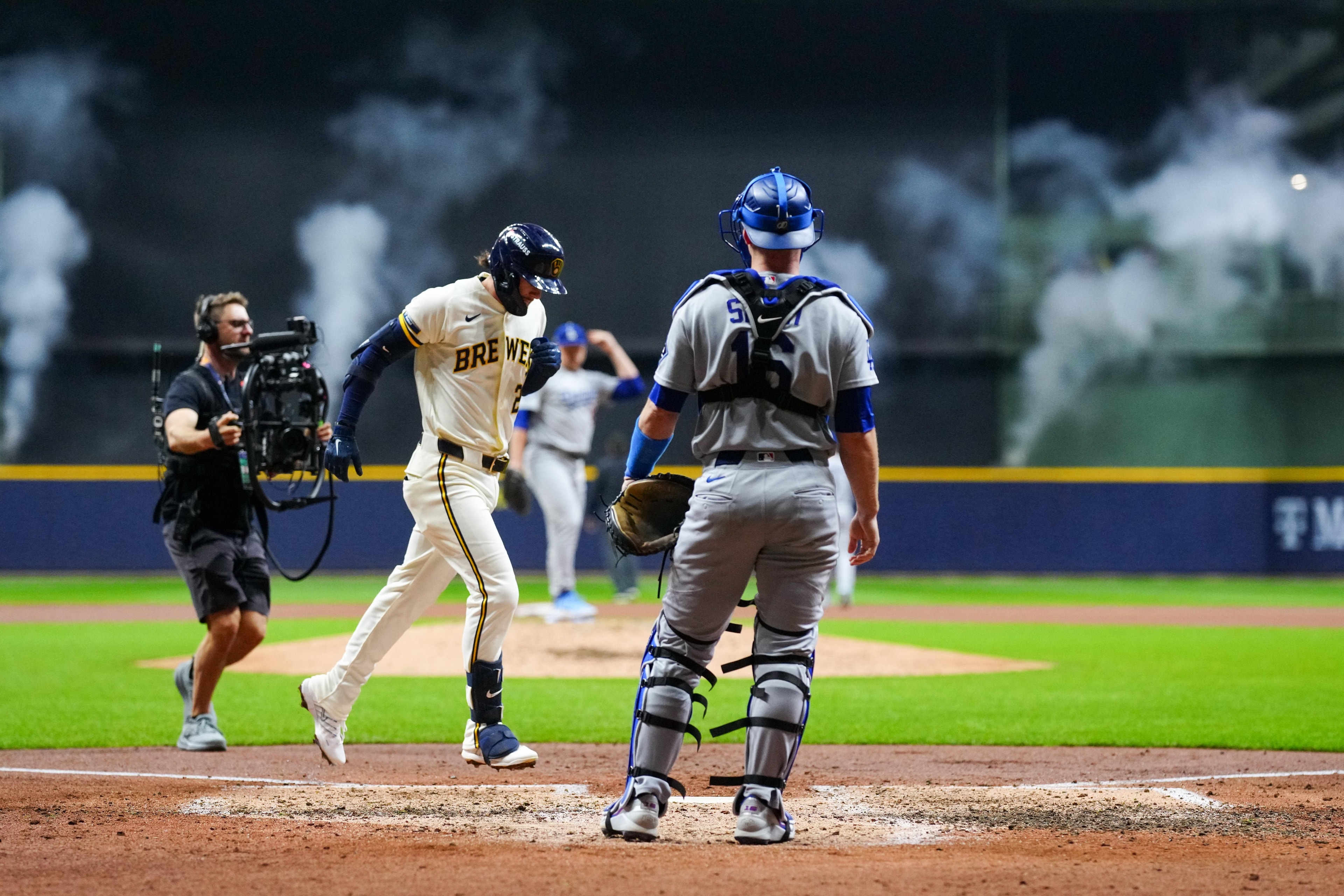
Arizona’s 2026 push was framed as unsuccessful in the same coverage, but the concept of “first blood” to Milwaukee suggests attention to how games and matchups unfolded late in the season, even if the broader season result did not deliver the postseason. In practical terms, those late looks can matter because they test whether younger players handle the pace of a full, high-pressure game against quality opponents.
For fans, the most relevant part of this news is what it implies for roster planning. If the Diamondbacks identify multiple young players as credible options, the club’s offseason decisions become less about searching for replacements and more about sharpening a core. That can affect everything from spring training priorities to which positions Arizona treats as open competition versus fixed roles.
There is a second layer to the Diamondbacks’ outlook: teams that rely heavily on prospects have to manage expectations. Rookies can change outcomes quickly, but they also need development time, especially as pitchers and defenders learn scouting tendencies. The reported emphasis on “bigger roles in 2027” reads as a mandate to keep accelerating that development rather than resetting the process with the same mix of veterans and mid-tier additions.
Because the available reporting is a team news-style wrap, many specifics are not confirmed in what’s currently on hand, including which rookies were highlighted, what positions they play, or how management plans to sequence playing time. That matters for readers, because the difference between “poised for bigger roles” and “locked into everyday spots” is often where the offseason actually gets decided.
What to watch next is Arizona’s public roster indicates as the offseason progresses. The Diamondbacks’ next steps will likely become visible in spring training invitations, lineup experiments, and how quickly the team begins naming internal candidates for 2027 roles. If the club does what the coverage suggests, the 2027 picture will look less like a rebuild and more like a measured expansion of a young core.
With only limited detail available here, readers should treat the current framing as a directional story rather than a final roster blueprint. Still, the central point stands: even after missing the postseason, the Diamondbacks appear willing to cash in on what they learned from the younger players they brought forward in 2026.
Why It Matters
- Calling up prospects is one thing, but expanding their roles is how missed postseason seasons translate into future contention.
- If Arizona can identify multiple credible young options, it reduces the number of roster holes the club must fill through expensive solutions.
- A 2027 focus on rookies can shape spring training and early-season deployment decisions, influencing team chemistry and defensive alignment.
- How the Diamondbacks balance development with competitive demands will be a key storyline in the run-up to the next postseason.
Key Facts
- Arizona’s 2026 season ended without a postseason berth, according to coverage tied to the team’s late-season news cycle.
- The Diamondbacks, like every MLB team, relied at times on their pool of prospects during 2026 while pursuing a playoff spot.
- Reporting indicates some prospects stood out and are viewed as poised for bigger roles in 2027.
- The late-season write-up also references a matchup theme described as “first blood to Milwaukee,” pointing to attention on game-to-game momentum even in a season that did not reach October.