
THE APEX TIMES
Diamondbacks’ Mike Hazen is aiming to be a buyer at the Trade Deadline, not a last-minute seller
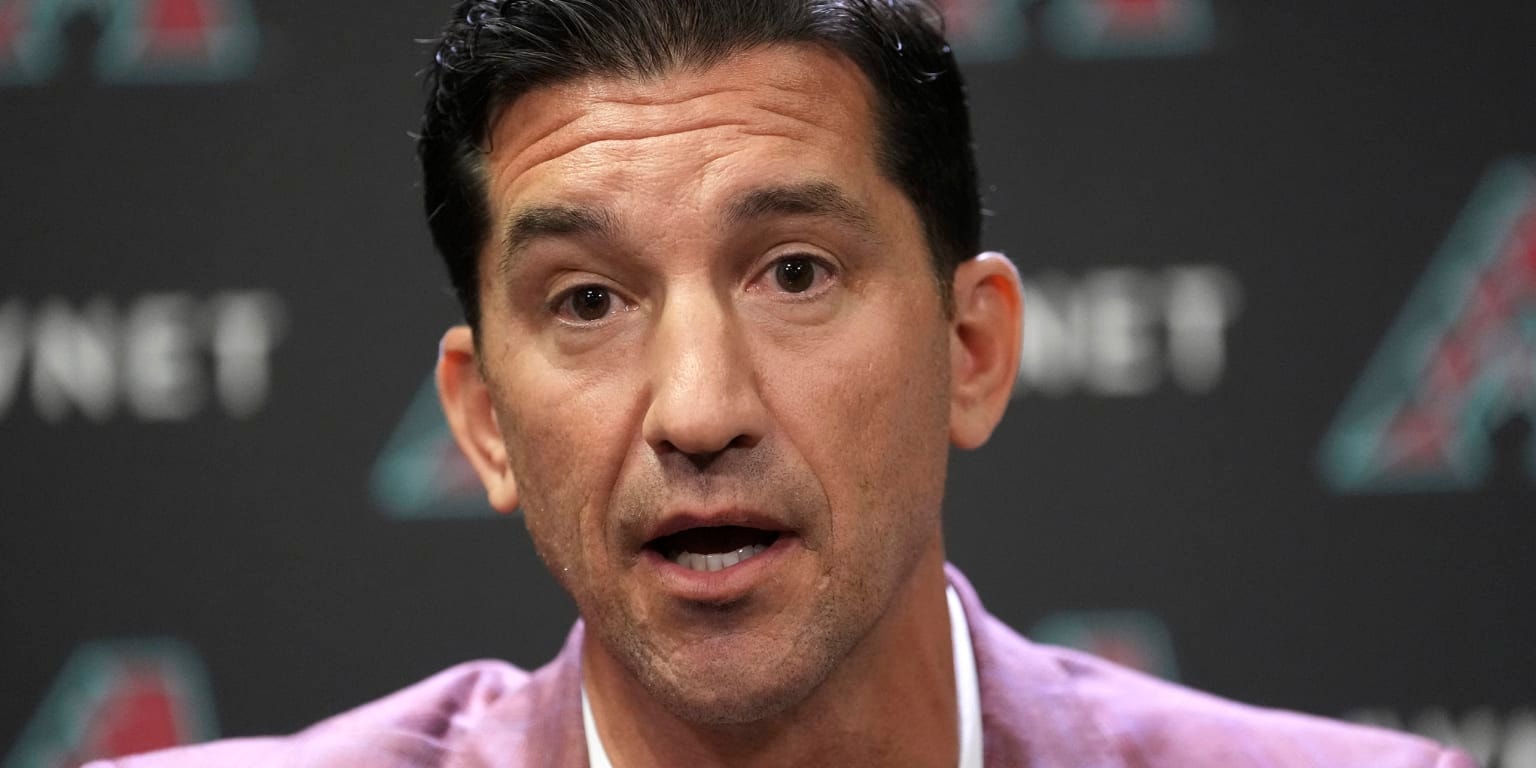
General manager Mike Hazen says Arizona is approaching the second-half Trade Deadline with a preference to add rather than unload, reflecting on how last year’s seller posture dragged into the final days.
The Diamondbacks, led by general manager Mike Hazen, are setting up their second-half Trade Deadline approach around one goal: be buyers. In a look ahead released by the club, Hazen indicated the organization wants to use the remaining weeks to strengthen its roster for the stretch drive, while also acknowledging how painful last year’s trade selloff ended up feeling from the decision-making standpoint.
Hazen’s comments contrasted the desired posture with what happened at the Trade Deadline last season. According to the Diamondbacks’ own outlook, he “hated” having to be a seller, and the team waited until the last few days to complete that work. That timing, as Hazen framed it, is part of why Arizona is now emphasizing a different plan for this deadline.
That difference matters because the Trade Deadline does not just alter a roster, it alters the way a front office manages uncertainty. When a team believes it has a real chance to contend, the pressure shifts from reacting to optimizing, and it becomes more important to make trades that fit the specific profile of how the club wants to win in the final weeks. Hazen’s stated aim suggests Arizona is trying to preserve flexibility earlier, instead of forcing large moves after the market tightens.
Arizona’s outlook also implies an operational lesson for organizations that can fall into the “maybe” category as August approaches. By waiting too long, a seller can end up constrained by what other clubs still need, what prospects are available, and how quickly negotiations have to be finalized. Hazen’s preference to be a buyer suggests the Diamondbacks are trying to prevent the same kind of late deadline scramble, even though the baseball trade market is inherently fluid.
The broader backdrop is that MLB contenders and buyers are often trying to match their in-season needs with the types of players available, balancing short-term performance with longer-term value. In Hazen’s framing, the Diamondbacks’ preference is to treat the Trade Deadline as a tool for addition rather than disposal. That does not guarantee they will trade or refrain from trading, but it does clarify how the club is prioritizing its leverage and timing.
As the deadline nears, Diamondbacks fans will be watching how the organization indicates its intent through activity levels, internal evaluation, and the players it makes available for discussions. If Arizona’s plan holds, the transactions most likely to define their deadline will be the ones that add impact, rather than deals that reposition the roster late. If the Diamondbacks are forced to pivot again, Hazen’s comments highlight that the organization knows exactly why it wants to avoid repeating last year’s ending.
For now, the key takeaway is that Hazen’s approach is built around controlling the timing of major moves. The Diamondbacks are not presenting the deadline as a moment to scramble, they are presenting it as an opportunity to buy, with the memory of last year’s seller posture serving as the reason.
Either way, this is the stage of the season where the majors separates teams that can act early from teams that must act late. Hazen’s stated direction sets up what would be a meaningful test for Arizona’s roster construction, because the ability to add at the deadline often depends on how stable the team’s identity looks by mid-summer, and how quickly the front office can see what it can become in the final stretch.
Why It Matters
- Whether a team is a buyer or seller changes its roster-building identity, especially in the final weeks of the season.
- The timing of deadline decisions can limit a team’s options, since late deals may come with fewer comparable targets and narrower negotiations.
- A buyer posture can better align a contending club’s additions to its immediate needs, rather than forcing resets close to August.
- Hazen’s comments suggest Arizona is aiming to avoid repeating last year’s deadline experience, which could influence how active the front office is earlier in the window.
Key Facts
- The Diamondbacks’ outlook for the second-half Trade Deadline was published by MLB and attributed to general manager Mike Hazen.
- Hazen said he wants the club to be a buyer at the Trade Deadline.
- In contrast, Hazen said he disliked having to be a seller at last year’s Trade Deadline.
- The Diamondbacks completed last year’s seller work in the last few days of the deadline period, according to Hazen’s comments.