
THE APEX TIMES
Didier Fuentes draws fresh buzz in Atlanta as the Braves’ young-pitching pipeline keeps paying dividends
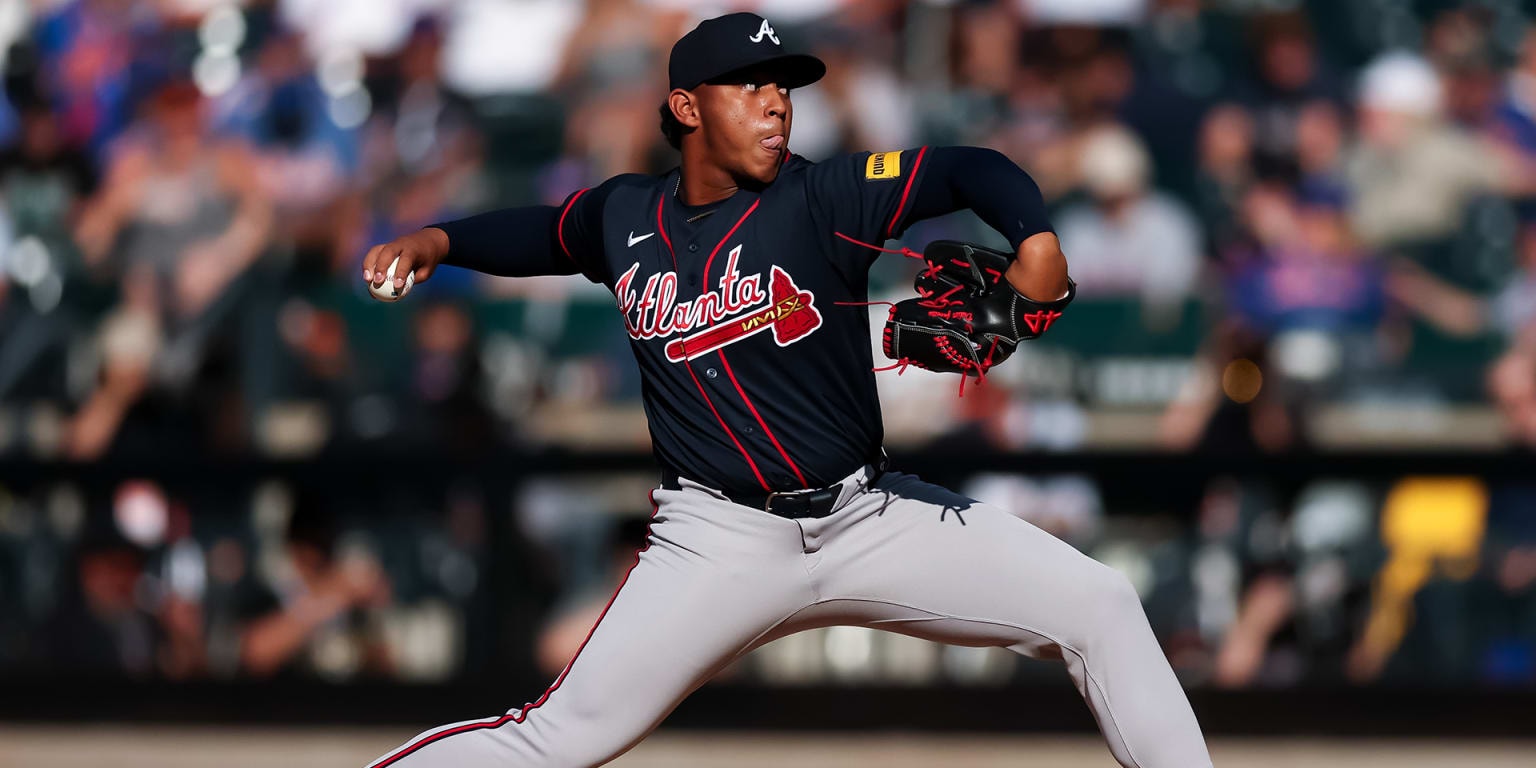
With Atlanta again leaning into development and velocity, right-hander Didier Fuentes has become a spring-to-summer topic after MLB’s youngest-pitcher narrative reappeared around the Braves.
The Atlanta Braves’ drumbeat of young talent did not fade with the calendar. In a new feature from ’s Braves coverage, Didier Fuentes is highlighted as a pitcher who looks capable of growing into something more than a prospect story, with the article framing him as one of the very youngest players at his position making meaningful noise for the organization.
The Braves have become a kind of reference point for turning raw pitching into major-league impact. ’s recap ties the current excitement to the team’s 2022 breakout development track, pointing to Spencer Strider, then 23, and Michael Harris II, then 21, as proof the franchise can create stars early. The implication is not just that the Braves identify talent, but that they keep finding ways to keep it progressing at the big-league level.
Fuentes’ momentum is being described in terms of “star potential,” and the framing matters for a club that has often managed pitching risk by pairing development with workload awareness. While this doesn’t mean every young pitcher becomes the same kind of centerpiece, Atlanta’s broader approach has been to keep the organization’s internal evaluation aligned with the major-league demands of repeatability, command, and composure.
Braves fans have also learned to look past any single spring training storyline. Atlanta’s recent history includes players who arrived with questions attached and then answered them in phases, sometimes slowly at first, then quickly once role, routine, and pitch usage stabilized. In that context, Fuentes becoming a recurring topic indicates that the staff and front office may view him as more than a temporary option.
Still, the leap from promise to production is rarely linear, especially for a young arm. Pitchers can show “making waves” qualities in short windows, yet their long-term trajectory depends on how they hold their mechanics under fatigue, how hitters adjust to their patterns, and how the team manages adjustments over time. Any label like “next star” is best read as potential, not a prediction of awards or durability.
For Atlanta, the practical payoff of this kind of prospect momentum is roster flexibility. When a young pitcher is showing development that the team believes can translate, it can reshape internal decision-making around rotation depth, bullpen roles, and the timing of promotion. That means Fuentes’ run of attention may end up affecting how the Braves plan their pitching mix rather than just how fans talk about the future.
What to watch next is not a single headline, but evidence: whether Fuentes sustains effective performances against increasingly familiar opponents, whether his role remains stable as he rises, and whether Atlanta’s staff keeps his development track consistent with the command and pitch-shaping that made him stand out in the first place. If those pieces align, Fuentes’ latest burst of attention could become more than a spring training headline and start to look like a long-term piece of the Braves’ rotation picture.
Why It Matters
- If Fuentes continues to validate his potential, it strengthens the Braves’ ability to count on young pitching as a building block rather than a short-term experiment.
- Atlanta’s recent identity includes rapid development of top players; Fuentes adds a new name to that storyline.
- Young-pitcher momentum can influence rotation and bullpen planning, giving the Braves more options in how they allocate arms across the pitching staff.
- How Fuentes performs over multiple looks will test whether the Braves’ development process translates consistently to major-league hitters.
Key Facts
- ’s Braves coverage highlights right-hander Didier Fuentes as a young pitcher drawing attention for his star potential.
- The story frames Fuentes in terms of age, describing him as among the very youngest pitchers in the major leagues making waves for Atlanta.
- The article connects Atlanta’s current young-pitcher excitement to the organization’s 2022 development successes, citing Spencer Strider and Michael Harris II.
- Spencer Strider is referenced as having been 23 in 2022, and Michael Harris II as having been 21 in 2022, as examples of early major-league impact.
- The feature is presented as part of an ongoing pattern of Spring Training and early-year attention around Atlanta’s emerging talent.