
THE APEX TIMES
Didier Fuentes’ name game takes center stage, sparking a nickname debate in baseball culture
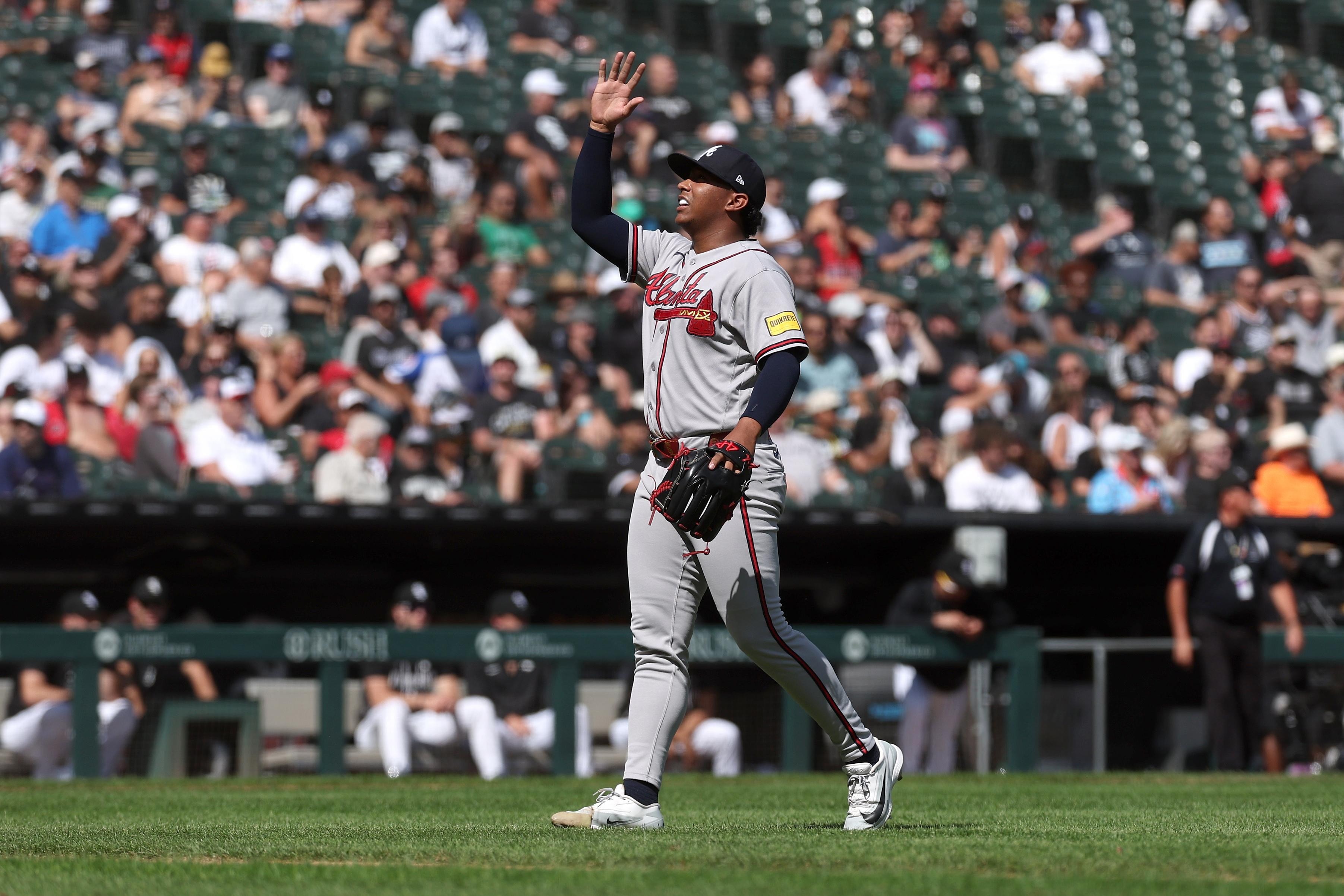
A light, fan-facing question has landed in the middle of a deeper baseball tradition: how players get reduced to chants, one-liners, and clubhouse shorthand. For Didier Fuentes, the discussion is now official business.
A routine announcer’s habit, turning a name into something quicker and catchier, has become the subject of a fresh debate around Didier Fuentes. In a recent column, the question was posed plainly: does Fuentes need a nickname, and if so, which version fits best. The immediate angle was pronunciation and rhythm, with the discussion leaning toward how a name is spoken in the ballpark, on television, and in the booth, and how quickly fans adopt the easiest version.
At the heart of the piece is a familiar baseball dynamic. Nicknames are not just jokes, they are communication tools. They shorten lengthier names, avoid mispronunciation, and create shared language between players and supporters. In the same way that broadcasters have long used pet forms of players’ names, baseball culture has historically leaned on diminutives, playful phonetics, and nickname traditions tied to era and personality.
The column also drew a clear line to baseball history. It referenced Bobby Cox, the Hall of Fame manager known for the way he could label and build rapport with his players, including by adding a -y suffix to certain names. That detail matters because it frames Fuentes’ debate as part of a long-running managerial and broadcast tradition, not as a one-off trend. Nicknames, in this telling, are a continuation of how clubhouse and media worlds translate identity into something repeatable.
There is also a practical component to the discussion, even when it sounds silly. Baseball is a sport built on routine and repetition, from the lineup card to the chant in the stands. A name that is easy to say out loud tends to travel faster, and it becomes the default when fans call for a player, when teammates talk across the field, and when broadcasters summarize what they are seeing without pausing to work through syllables.
Where the debate lands for Fuentes is on a fork in the road between familiar nicknames and pronunciation-forward forms. The discussion raised the idea that “Didi” and a “Dee Dee” style can both have logic, depending on how the player’s name is meant to sound and how broadcasters and fans will naturally handle it. In other words, the question is not only what nickname is cute, it is what nickname becomes frictionless in real time.
For what comes next, the baseball test is simple: which version catches on. Watch for how the name appears in broadcast graphics and how fans respond in the stands. In an era where players are also marketed through social media clips, nickname adoption can influence how often a player is tagged, mentioned, and shared. Even if the debate stays playful, it can still reveal which identities become mainstream in the public baseball conversation.
Confidence in the specific nickname options and the framing here is limited by the fact that the item is a commentary-style discussion rather than an official roster or transaction announcement. The story’s value is cultural, not statistical, and it should be read as commentary on how baseball turns names into shorthand. If additional reporting confirms how Fuentes is being referenced in team or league contexts, that would clarify which nickname, if any, is likely to stick.
Why It Matters
- Baseball nicknames shape how players are discussed in broadcasts, in the stands, and across social media.
- A name that is easier to say can spread faster, becoming the default way fans reference a player.
- The debate highlights how baseball’s communication culture continues through both broadcasting habits and clubhouse traditions.
- Even off-field branding and fan engagement can be influenced by which nickname a public figure adopts over time.
Key Facts
- A recent sports column raised the question of whether Didier Fuentes needs a nickname.
- The discussion focuses on pronunciation and the way names are commonly shortened in baseball broadcasting and conversation.
- The piece connected the nickname idea to baseball tradition by referencing Bobby Cox and his use of -y suffixes.
- The column’s central framing is that nicknames function as repeatable, ballpark-ready shorthand.
- The item is commentary rather than an official confirmation of any nickname adoption.