
THE APEX TIMES
Dillingham shrugs off ASU’s Hawaii win, pushes for sharper play
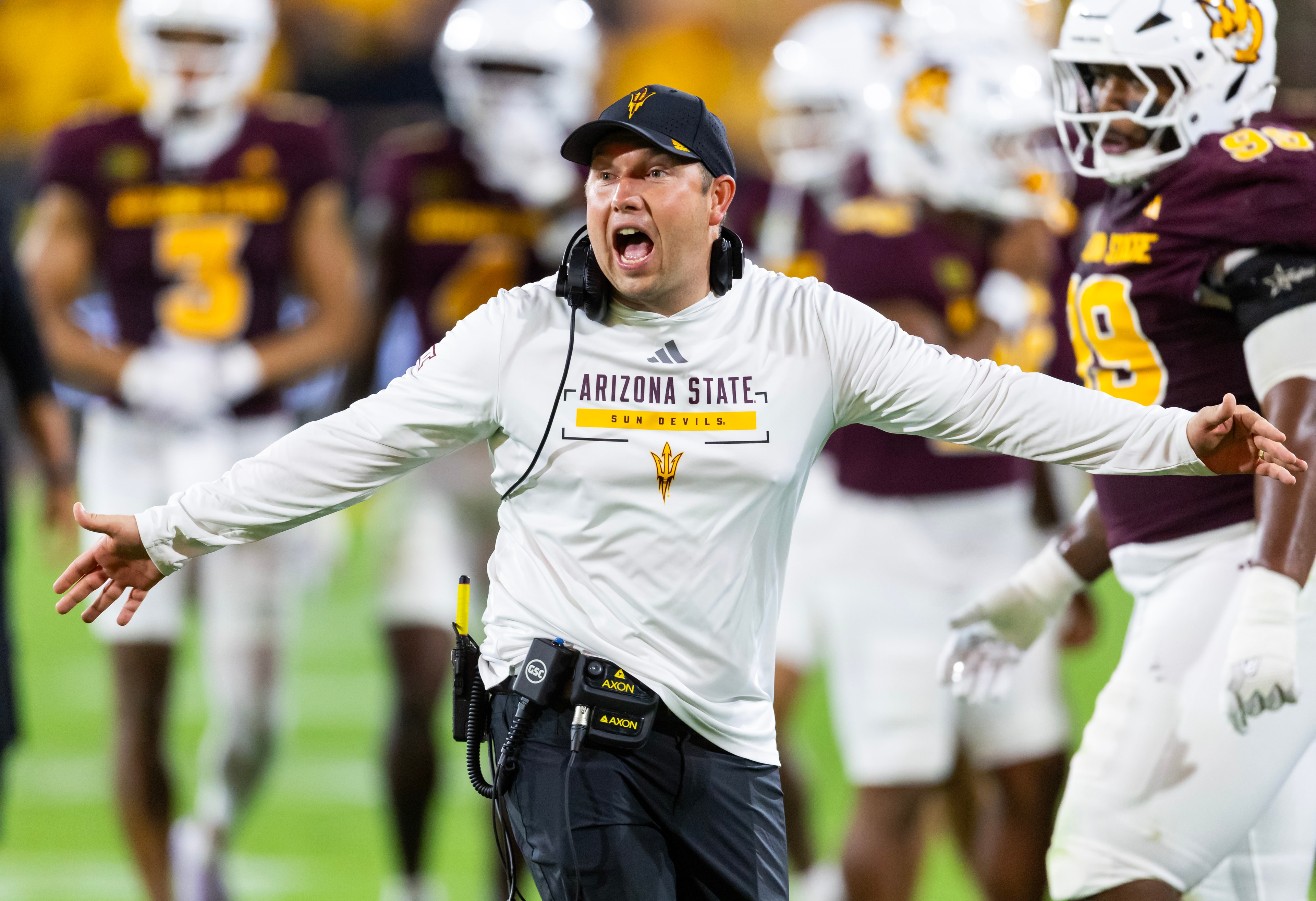
After a 30-12 victory at home, Arizona State coach Kenny Dillingham said his biggest message was simple: the team has to play better, not just win.
Arizona State left Tempe with a 30-12 victory over Hawaii, but coach Kenny Dillingham did not sound satisfied afterward. In describing how close he felt the Sun Devils were to where he wants them to be, Dillingham offered a blunt assessment, saying the right level of fulfillment was essentially “blah.” His focus immediately turned to improvement rather than celebration, with Dillingham saying, “I want to play better.”
The comments frame how ASU is approaching its week-to-week development. A final score is one measure, but for a program still trying to sharpen its execution, the coaching challenge is often making sure the improvements show up consistently across a full game. Dillingham’s tone suggested that even in a winning performance, there were areas the team needs to clean up.
Against Hawaii, ASU put points on the board and controlled enough of the game to reach the 30 mark, but Dillingham’s postgame remarks implied that the work is far from finished. His emphasis on playing better indicates that the staff is likely looking for tighter execution, cleaner decision-making, and fewer errors that can swing momentum even when the scoreboard looks favorable.
For ASU, those details matter because the margin for error typically tightens as opponents get tougher later in the season. Early wins can help a team build confidence, but they can also mask underlying problems if the same mistakes keep recurring. Dillingham’s insistence on improvement suggests the Sun Devils are trying to correct course quickly, before habits become harder to change.
Dillingham has built his coaching identity around accountability and attention to process. When a head coach responds to a win by questioning the level of play rather than defending the result, it often indicates that practices and game prep are still being refined, and that players are being measured not only on outcomes but on how they get there.
The next test for ASU will be whether the message translates into clearer on-field performance in its upcoming games. The most important question is not whether the Sun Devils can win, but whether they can reduce the gap between what Dillingham wants to see and what the team is currently delivering, especially in high-pressure sequences.
This is the kind of afterglow-to-adjustment pivot that can shape a season. If ASU uses the Hawaii win as a baseline and follows through with improved play, the program’s trajectory becomes easier to understand. If not, the frustration Dillingham voiced will likely reappear as the schedule becomes more demanding.
Why It Matters
- A coach’s postgame message often indicates whether the team’s execution met expectations or merely produced a favorable outcome.
- Wins built on incomplete play can create risk later in the season when opponents are tougher and mistakes are more costly.
- The emphasis on improvement suggests ASU’s staff is actively looking to tighten fundamentals and consistency.
Sources
Key Facts
- Arizona State beat Hawaii 30-12 in a game played in Tempe.
- After the win, ASU coach Kenny Dillingham characterized his level of fulfillment as “blah.”
- Dillingham said, “I want to play better,” indicating a focus on improvement rather than satisfaction with the performance.