
THE APEX TIMES
Din Thomas apologizes after retiring from coaching immediately following Gillian Robertson’s UFC 330 loss
The UFC corner coach said his decision to leave coaching after UFC 330 was “despicable,” stepping away from his post after Robertson’s defeat at Mackenzie Dern’s expense in the title-picture fight.
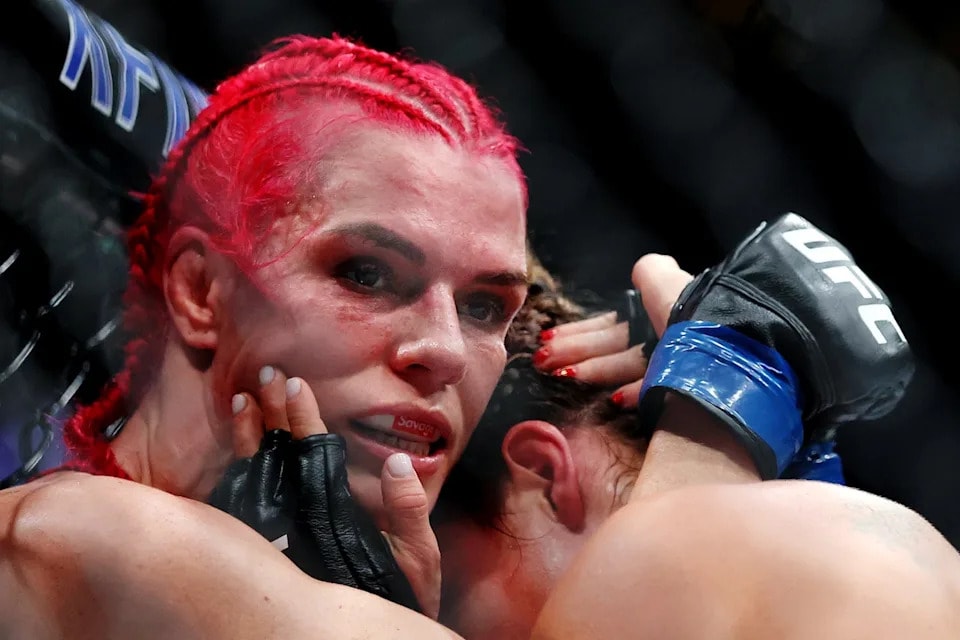
UFC coach Din Thomas apologized for what he described as “despicable” behaviour after Gillian Robertson lost at UFC 330, according to Yahoo Sports. Thomas, who had been working Robertson’s corner duties, said he decided to retire from coaching immediately after the defeat, then moved quickly to acknowledge that his actions fell short.
The incident unfolded around Robertson’s loss to Mackenzie Dern at UFC 330. With Thomas in his customary coaching role for the bout, his immediate, abrupt departure from coaching after the loss became the focus as much as the result of the fight itself.
In his apology, Thomas framed his own decision-making as unacceptable, characterizing it as “despicable.” While the report centers on Thomas’s reaction and subsequent apology, it also highlights how quickly a high-pressure moment inside an MMA team can spill over into an administrative or personal decision that affects multiple stakeholders, including fighters, teammates, and gym routines.
For Robertson, the fight against Dern had the kind of stakes that tend to carry consequences beyond one night. Title-picture bouts at the UFC level often define timing for future matchups, and losing in that context can shift how quickly a fighter returns to the championship conversation. For a coach, corner work in that setting is not only tactical, but also psychological, and Thomas’s decision to step away immediately after the loss raises questions about how he intended to manage the aftermath.
Thomas’s apology also places attention on the emotional volatility that can accompany MMA coaching. Unlike many sports roles, MMA corners are expected to pivot in real time, interpret small tactical changes, and provide calm instruction during a fighter’s most vulnerable moments. A coach’s public response after the event can shape how athletes inside the gym process defeat and how they prepare to move forward.
UFC 330 is now remembered in part for what happened after the final horn, not just inside the cage. With Thomas stepping away from coaching and then apologizing, the next storyline will be whether Robertson’s camp alters its coaching structure and how Dern and her division peers continue to respond to the evolving title landscape.
At this stage, details around Thomas’s timing and the internal mechanics of his departure were not fully laid out in the reporting. Still, the reported apology and retirement-with-immediate-effect decision ensure that, regardless of the fight’s outcome, Thomas’s actions will be part of how the sport’s community discusses professionalism and accountability after marquee events.
Why It Matters
- Coaching departures and public apologies can influence how fighters and camps handle defeat and prepare for the next phase of matchmaking.
- High-stakes title-picture losses often change an athlete’s timeline, increasing pressure on surrounding staff to stabilize the group quickly.
- A coach’s conduct after major events can affect reputation and how gyms plan staffing continuity for future UFC dates.
Sources
Key Facts
- Din Thomas apologized for “despicable” behaviour after Gillian Robertson’s loss at UFC 330.
- Thomas was in Robertson’s corner and worked with her during the fight.
- The reported retirement was described as immediate, following the loss.
- The bout involved Robertson losing to Mackenzie Dern at UFC 330, characterized in the report as part of a title match context.
- The apology was reported by Yahoo Sports on August 18, 2026.