
THE APEX TIMES
Din Thomas ends UFC cornering career after UFC 330 loss, citing final walk to the corner
The longtime coaching presence will step away from corner duties, saying UFC 330 was the last time he expects to guide fighters in their biggest moments.
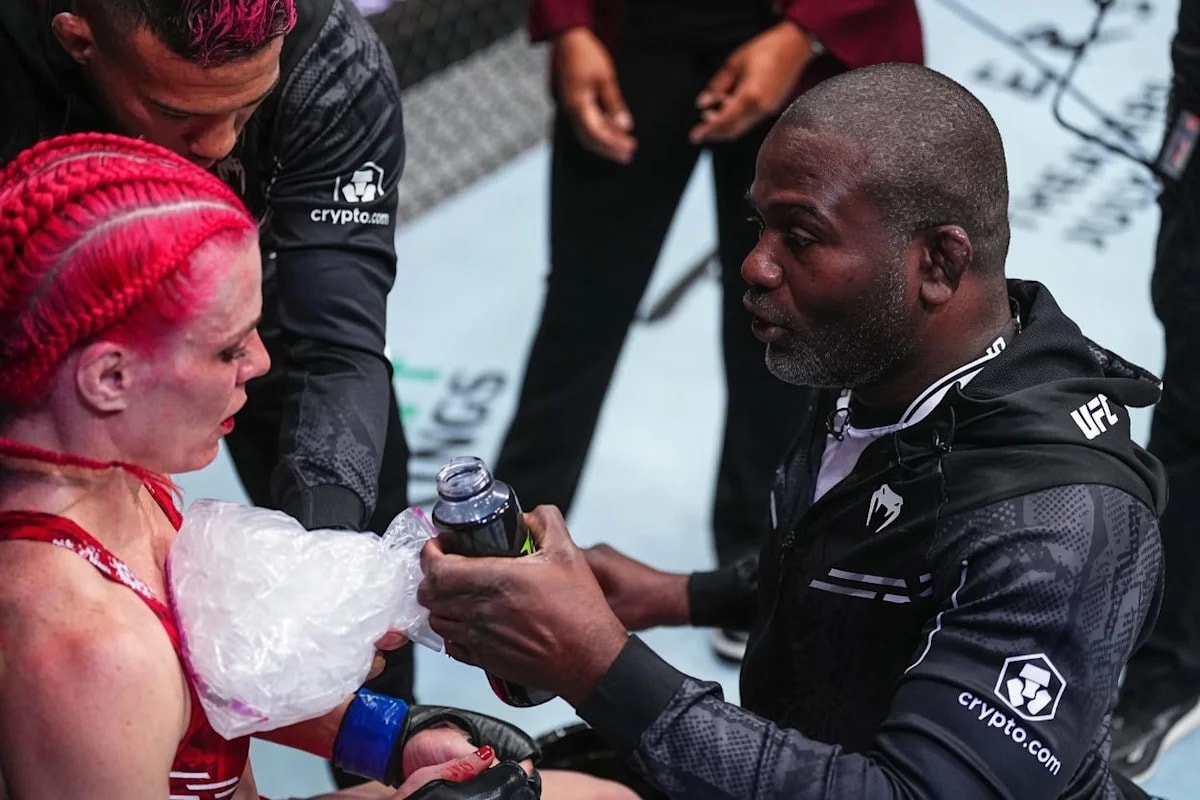
Din Thomas, a fixture in UFC corners known for decades of training, has announced that he is retiring from cornering fighters. In comments reported by Yahoo Sports, Thomas said UFC 330 would be the final time he goes into a fight camp’s most high-stakes role, working a fighter’s corner during an event.
Thomas’s decision is framed around the end of a particular stretch of work. According to the report, he described the night as a closing chapter for his in-corner responsibilities, after taking Gillian Robertson “as far as she can go.” The statement positions UFC 330 not only as a fight on the calendar, but as the final event that fits Thomas’s definition of what he wants his coaching job to look like moving forward.
The shift is significant within the UFC ecosystem, where corner work is part instruction and part emergency management. Trainers in that role have to adjust between rounds, communicate tactics clearly under pressure, and sometimes change the fight’s posture in seconds. Thomas’s retirement from that function changes who will be expected to deliver those in-the-moment decisions for fighters who had planned their preparation around his coaching style.
Thomas’s remarks also suggest a separation between his broader involvement in the sport and the specific job of walking to corners on fight night. The report emphasizes that fans should not expect to see him in-cage guiding other fighters from the sideline. That distinction matters because many coaching figures remain active in other capacities even when they stop cornering, but the report, as presented, does not detail what comes next for him.
UFC 330 was therefore more than a standard event outcome. For Thomas, it is a milestone that closes his run in the corner, and it carries added weight because the report ties his final corner session directly to his partnership with Robertson. For Robertson, the coaching bond Thomas references is the immediate context of UFC 330, while for the broader roster, the retirement indicates a potential ripple effect in how fighters and gyms think about corner staffing for upcoming camps.
In the near term, the main storyline to watch is replacement and continuity. Fighters who worked with Thomas in preparation will need to identify the next voice in their corner, and teams will have to decide how to preserve communication habits that Thomas’s presence supported. The UFC also has a long memory for corner identities, so Thomas’s absence will be noted among audiences even if his influence remains embedded in training methods his teams brought into camp.
For now, Thomas’s announcement stands as a firm end point for his role at the corner, rather than a temporary break. With official details about any continued involvement beyond cornering not included in the report, the most accurate takeaway is straightforward: at least for the UFC, Thomas is stepping away from the work that puts him at the edge of the cage as rounds begin.
Why It Matters
- Corner coaching is a specialized UFC role, and Thomas’s exit changes the sideline leadership available to fighters who previously planned around him.
- The announcement affects how teams may structure future camps, including who delivers in-round adjustments and game-plan communication.
- Because Thomas is widely recognized as a coaching presence, his retirement is likely to be noticed by UFC audiences even as training influence can persist behind the scenes.
- For Robertson, UFC 330 becomes the moment that closes a specific coach-fighter partnership at the corner.
Key Facts
- Din Thomas announced he is retiring from cornering fighters in the UFC.
- Thomas said UFC 330 will be the last time he corners a fighter.
- The report ties the final corner assignment to his work with Gillian Robertson.
- Thomas stated that fans should not expect to see him in-cage working fighters’ corners moving forward.