
THE APEX TIMES
Dobnak keeps delivering for the Royals after June trade from the Mariners
Randy Dobnak, acquired by Kansas City with cash considerations on June 17, has posted a 1.73 ERA across 41 2/3 innings as he settles into his new role.
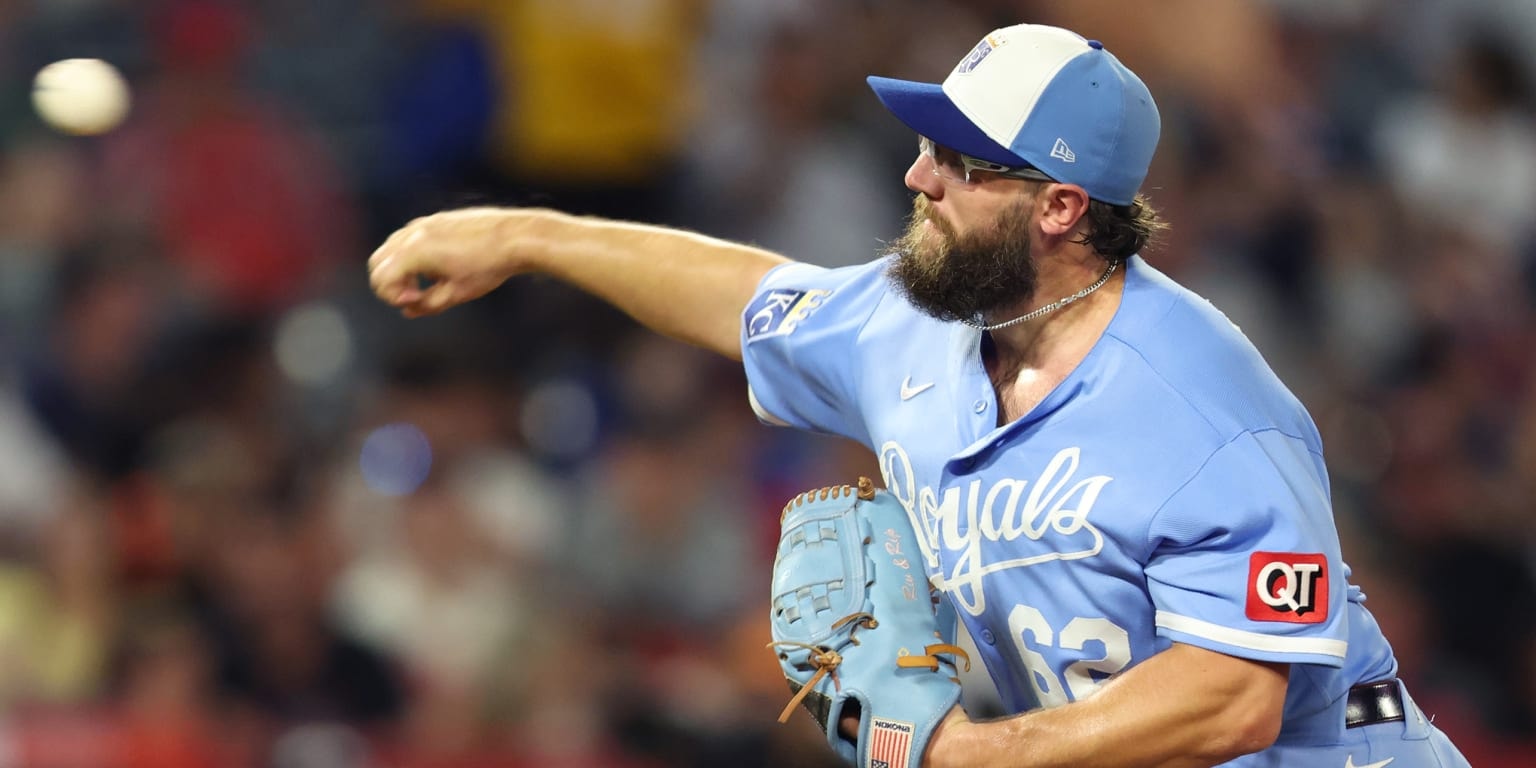
Kansas City’s rotation has found a steady, early payoff from its midseason trade, with right-hander Randy Dobnak continuing to impress since arriving from the Seattle Mariners. The Royals acquired Dobnak on June 17 for cash considerations, and his production has provided the kind of internal lift teams usually chase once the grind of summer baseball begins.
In his first stretch with the Royals, Dobnak has compiled a 1.73 ERA over 41 2/3 innings. That run has come in enough innings to matter, not just as a short hot spell. Over that span, the Royals have been able to lean on him as a source of innings and, critically, as a stabilizing presence when the rest of the staff is always subject to variability.
Dobnak’s impact is also notable because the trade cost was limited. When a team adds a proven or at least capable innings-eater for cash considerations, the expectation is that performance will justify the gamble quickly. With the 1.73 ERA figure as the headline, Kansas City has gotten far more than a low-cost depth add, at least by the basic performance metric the organization cares about most during a season.
For the Royals, that means one of their most valuable midseason needs has been addressed: a reliable arm they can slot into the rotation plan. Even without detailing specific outcomes, the innings total and the ERA collectively suggest Dobnak’s outings have been effective enough to keep him from becoming a matchup-only option or a short leash situation. In practical terms, it gives Kansas City more flexibility with its remaining starters and bullpen usage.
From Seattle’s perspective, trading Dobnak for cash considerations indicates a decision made at the roster-building level, not a change driven by one team trying to win a single series. But for Kansas City, the storyline is clear, Dobnak has turned the opportunity into results, and the Royals now have a midseason acquisition that can influence how they manage the final months of the schedule.
The next question for Kansas City is whether Dobnak can sustain the same effectiveness as the calendar tightens and opponents adjust their approach to a familiar face in the league. With 41 2/3 innings already under his belt in Royals colors, the foundation is there. What will determine how far the impact goes is whether his run continues through August and into the stretch where rotation consistency becomes even more important.
Why It Matters
- A midseason rotation upgrade can change how a team shapes its pitching strategy late in the year.
- Dobnak’s 1.73 ERA over a substantial innings sample suggests the Royals have a performance-based solution, not just roster depth.
- If the effectiveness holds, it reduces pressure on other starters and can improve bullpen efficiency.
- Opponent scouting tends to intensify once a pitcher’s role becomes clearer, so sustained results will be the key indicator of durability.
Key Facts
- Randy Dobnak was acquired by the Royals from the Mariners on June 17 in a trade for cash considerations.
- Dobnak has posted a 1.73 ERA over 41 2/3 innings since joining Kansas City.
- The Royals are using Dobnak as a continuing contributor immediately after the trade.
- The move was structured as a cash-for-player acquisition, making the on-field results particularly meaningful for Kansas City.