
THE APEX TIMES
Dodgers drop Game 2 again as offense fails to cash in after early setbacks
A rare rough start from Yoshinobu Yamamoto and a bullpen that could not fully withstand the pressure were complicated further by a Dodgers lineup that could not turn opportunities into damage. With Los Angeles now trailing the NLCS 2-0, the emphasis shifts to whether the offense can generate impact beyond singles.
The Los Angeles Dodgers saw their October footing slip in Game 2, falling in a way that left them trailing 2-0 in the NLCS and returning home with a familiar but urgent challenge. The core issue was not just a pitching dip or late-inning stress, it was the failure to convert early chances into the kind of run production that can erase a starter’s misstep.
Yoshinobu Yamamoto, usually a stabilizing force for the reigning champions, turned in a rare bad outing. According to the report, he did not get out of the fourth, a milestone that matters in postseason management because it reduces the margin for error for the bullpen. When a front-end starter struggles that early, a team typically needs its offense to respond quickly, turning “getting there” into “moving ahead.”
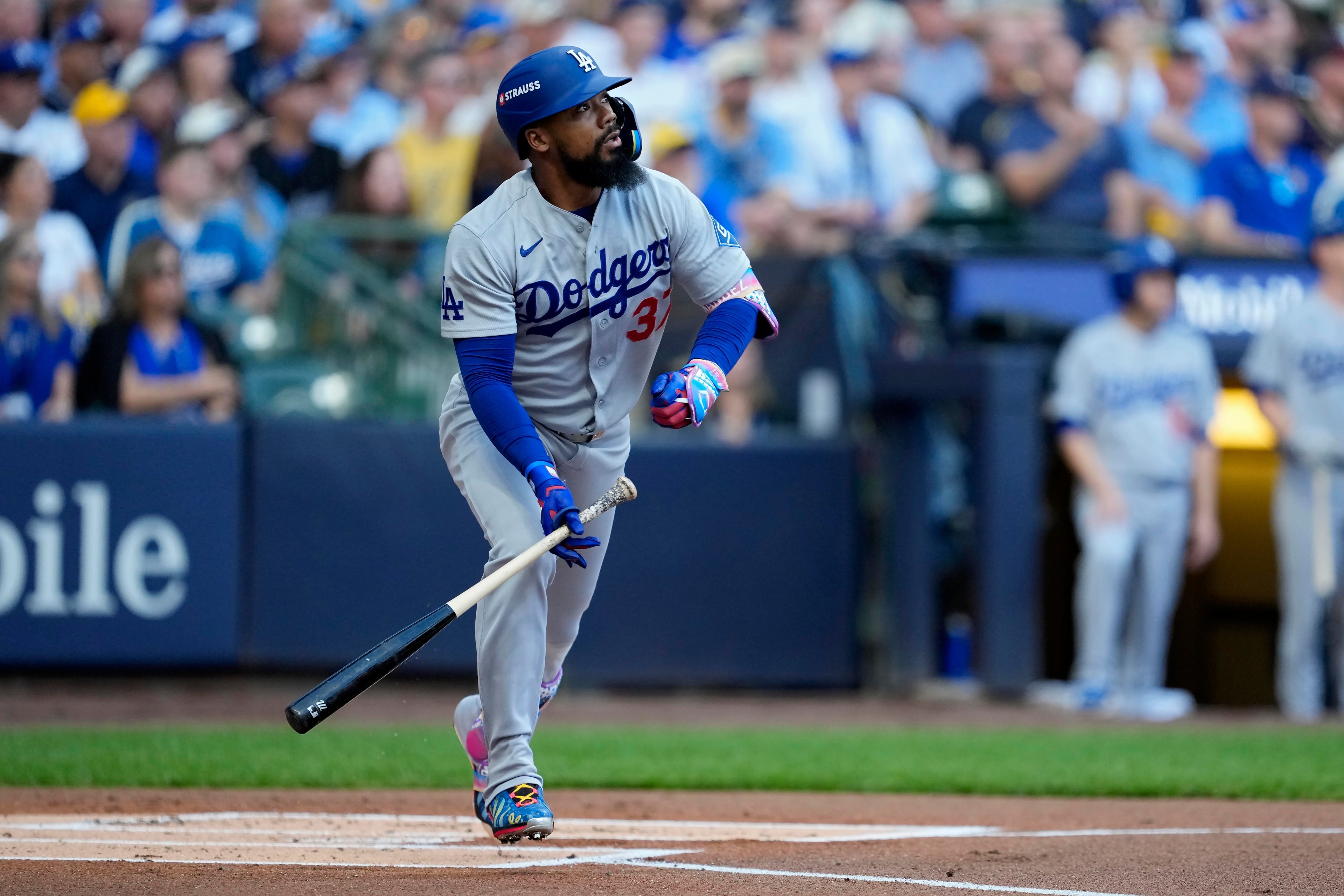
Instead, the Dodgers were left trying to manufacture rallies without being able to make the most of the moments they reached. The article characterizes the Dodgers’ overall production as coming up short, noting they secured only one extra-base hit through 18 innings. In a postseason game where run expectancy depends heavily on turning traffic into extra bases, that kind of output tends to limit a team’s ceiling, even when the pitching is merely underperforming rather than collapsing.
The bullpen was also described as struggling in the same Game 2 loss, putting additional strain on a staff already asked to carry weight after Yamamoto’s early exit. In the NLCS, bullpen fatigue is not just a future concern, it also changes how often pitchers can attack hitters aggressively versus trying to manage contact. When the offense does not provide a cushion, each inning becomes more demanding for relievers who may already be operating on shorter rest windows.
What made the loss especially frustrating, based on the report, is that the Dodgers did not lack for “early gifts.” The framing suggests that their opponents handed them opportunities to build a lead or at least establish momentum, but Los Angeles could not convert those chances into sustained pressure. Postseason baseball often magnifies that distinction, because one missed swing with runners aboard can be the difference between a controlled game and a scramble.
With Los Angeles now facing a deeper-than-usual offensive test, the immediate focus will be on whether the lineup can generate the extra-base events that flip innings. The next question for this matchup is simple: can the Dodgers translate baserunners and early leverage into multi-run frames, rather than forcing the game into long stretches where one hit does not change the scoreboard enough?
Why It Matters
- A 2-0 NLCS deficit increases the urgency for the Dodgers to produce runs earlier, because each additional lost game becomes harder to bridge with pitching alone.
- Extra-base hit scarcity is particularly damaging in the postseason, where small scoring margins can swing quickly and where leverage innings demand bigger swings.
- A starter leaving in the fourth changes bullpen usage and can affect how aggressively relievers pitch in later innings.
- If the Dodgers cannot cash in on early chances, the lineup may be forced to fight in longer counts and smaller rallies, limiting scoring upside against top NLCS pitching.
Key Facts
- The Dodgers lost Game 2 and are now trailing the NLCS 2-0.
- Yoshinobu Yamamoto had a rare rough start and did not get out of the fourth.
- The report describes bullpen struggles during the Dodgers’ Game 2 loss.
- The article notes the Dodgers had only one extra-base hit through 18 innings.
- The report frames the Dodgers’ loss as tied to a lack of offensive firepower despite early opportunities.