
THE APEX TIMES
Dodgers end seven-game skid in 10 innings, after Edwin Díaz wobbles again in the ninth
Shohei Ohtani delivered a key RBI infield single as Los Angeles finally snapped its winless streak, escaping Chase Field after late-inning tension and a closer-led scare.
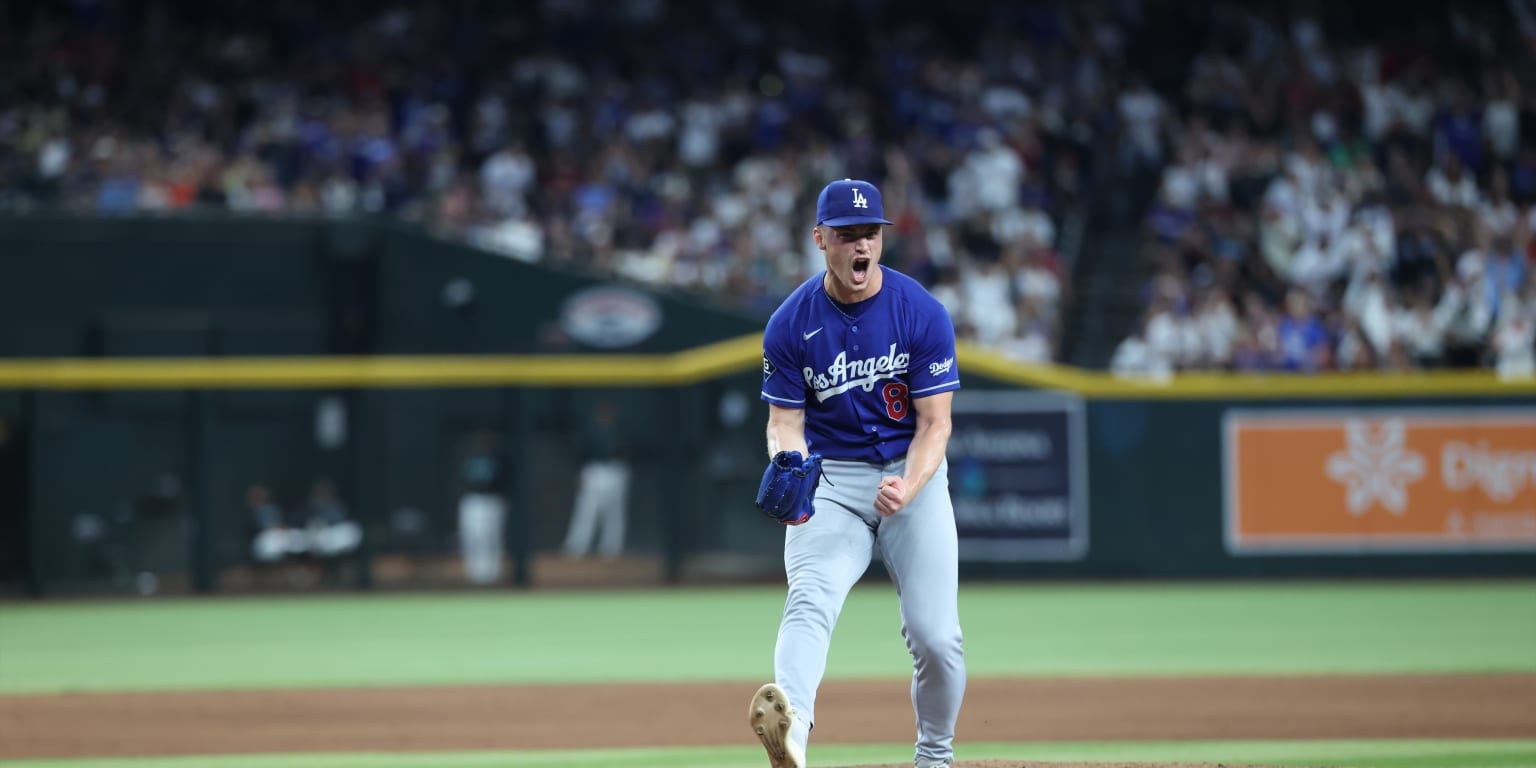
The Dodgers did not win quietly at Chase Field. They turned a late-inning situation into a longer game, then pulled out a 2-1 victory in 10 innings to end a seven-game losing streak.
The recurring plot point was the bottom of the ninth. For the second straight night, closer Edwin Díaz carried a one-run lead into the inning, but faltered in the late stages. On Saturday, that same kind of pressure did not finish Los Angeles off, even as it briefly threatened to erase another near-miss.
Los Angeles had been stuck for a week, and the margin for error in these contests felt thin. After failing to win in the stretch, the Dodgers finally got the breakthrough that would decide the game, and they did it not through a power display or a bullpen rally, but through execution on a critical plate appearance.
Shohei Ohtani’s RBI infield single proved to be the difference. The key run gave the Dodgers the edge they needed to keep the game moving forward, turning what could have become another late-game exit into a contest that carried into extra innings.
From a Dodgers perspective, the result offers a release valve. A seven-game slide matched the team’s longest losing streak since July 2025, according to the team’s own game report, and snapping it changes the immediate emotional tone of the clubhouse even if the underlying urgency remains.
The win also highlights a storyline the Dodgers cannot ignore: getting from one-run leads to the final out has been more fragile than usual. Díaz’s repeated ninth-inning stumble, even in games that ultimately end in a Dodgers win, raises the question of how Los Angeles protects late leads and what sequencing looks like when outcomes swing in the final frame.
The next step for the Dodgers is to convert that relief into consistency. Ending a skid is not the same as stabilizing, and the most important test will come in the immediate follow-up games, where late-inning management and run support will determine whether this win is a true turning point or just the next chapter in an uneven stretch.
Why It Matters
- Ending a losing streak can shift a team’s day-to-day approach, especially when games have gone into high-leverage, late-inning situations.
- Repeated late-inning trouble with one-run leads places extra importance on bullpen reliability and game management in subsequent matchups.
- An extra-innings win after a prolonged slide indicates the Dodgers can still create late game leverage, a trait that matters when the schedule tightens.
- The Ohtani RBI emphasizes how small, high-percentage swings can decide close games when margins are thin.
Key Facts
- The Dodgers snapped a seven-game losing streak with a 2-1 win in 10 innings at Chase Field.
- Edwin Díaz carried a one-run lead into the bottom of the ninth for the second straight night but faltered.
- The game’s deciding moment came when Shohei Ohtani produced an RBI infield single.
- The Dodgers’ seven-game skid matched their longest losing streak since July 2025.