
THE APEX TIMES
Dodgers keep the top spot in MLB’s post-Trade Deadline Power Rankings
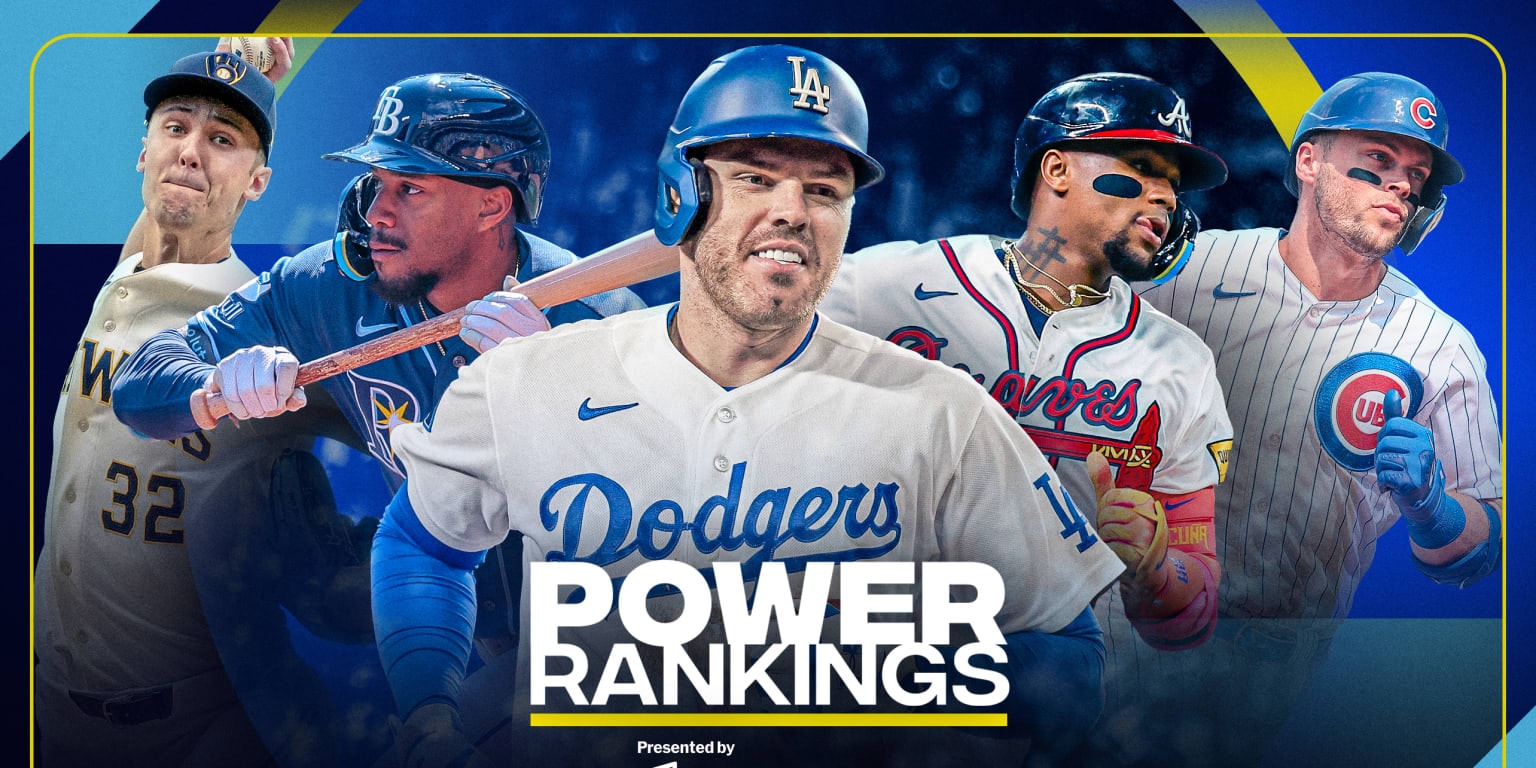
With the 2026 Trade Deadline in the rearview mirror, MLB’s next look at team strength keeps Los Angeles at No. 1, reflecting how the Dodgers’ roster adjustments have (at least for now) preserved their title profile.
The 2026 Trade Deadline has passed, and MLB has moved on to the next phase of the season, where rosters settle and the stretch run begins to define who can convert talent into October. In MLB’s first Power Rankings look after the deadline, the Los Angeles Dodgers were kept in the No. 1 position, indicating that, despite the league-wide reshuffling that follows every mid-summer deal window, the Dodgers remain the benchmark club in baseball.
MLB’s framing around the rankings is that teams now have to translate post-deadline changes into consistent results over the remaining weeks, rather than just in the immediate aftermath of roster moves. That matters because the Trade Deadline is often a turning point for contenders and also for clubs still building toward next season. Once the deadline closes, every remaining series carries greater weight, and the difference between “on paper” strength and day-to-day performance becomes harder to mask.
For Los Angeles, holding the top spot implies that the Dodgers’ overall balance, depth, and ability to operate with the newly assembled roster have been viewed positively in the Power Rankings context. Even without knowing every specific roster transaction detail from the league preview itself, the ranking indicates MLB’s confidence that the Dodgers did not lose the core of what makes them difficult to beat: a foundation that can carry through September and into postseason scheduling realities.
The Dodgers’ position also highlights a common feature of post-deadline evaluations: power-ranking voters are not merely rewarding who made the splashiest move, they are assessing whether the full picture becomes more coherent. The league’s approach, as reflected in the timing of this update, treats the stretch run as a test of integration. Clubs that add pieces but struggle to mesh them typically fall down these lists quickly, while teams that maintain their identity often hold ground or improve.
The Power Rankings update arrives at the start of a new decision cycle for every contender. Managers and front offices can no longer rely on midseason acquisitions to fix problems, so the remaining question is whether players who were already part of the Dodgers’ structure can absorb their responsibilities and keep performance steady as opponents tailor game plans. In a division and league where matchups matter, a “top-spot hold” is more than a label. It is a warning to the rest of baseball that Los Angeles is still the team opponents have to build strategies for first.
What to watch next is how the Dodgers look game to game after the deadline, especially against strong divisional and interleague competition where roster construction is stress-tested. Power Rankings are not standings, and a No. 1 ranking does not guarantee postseason outcomes, but it does reflect the league’s current assessment of competitive ceiling and overall readiness for October. The next rankings update will show whether the Dodgers’ post-deadline steadiness continues to justify the top billing or whether other clubs leap forward as their deadline additions produce results over a broader sample.
Why It Matters
- A No. 1 post-deadline ranking reinforces the Dodgers as the club to beat as the playoff picture tightens.
- It suggests Los Angeles’s deadline-era roster changes (however they were executed) have not weakened the team’s overall competitive profile in MLB’s evaluation.
- For other contenders, the ranking increases pressure to justify their own moves as the margin for error shrinks.
Key Facts
- MLB’s first Power Rankings update after the 2026 Trade Deadline keeps the Los Angeles Dodgers in the No. 1 spot.
- The update is positioned as a reset point, moving from deadline activity to the stretch run.
- MLB frames the rankings as a way to measure how roster upheaval translates into on-field performance over the remainder of the season.
- The announcement is published by MLB on August 5, 2026.