
THE APEX TIMES
Dodgers’ NLCS opener turns to coping lesson as Brewers strike early, cheaply
Even with the Dodgers’ offense unable to generate much power production in Game 1, the series still offers clear adjustments, highlighted by an early exit for Jacob Misiorowski from the Brewers’ pitching plan and the Brewers’ efficient run production.
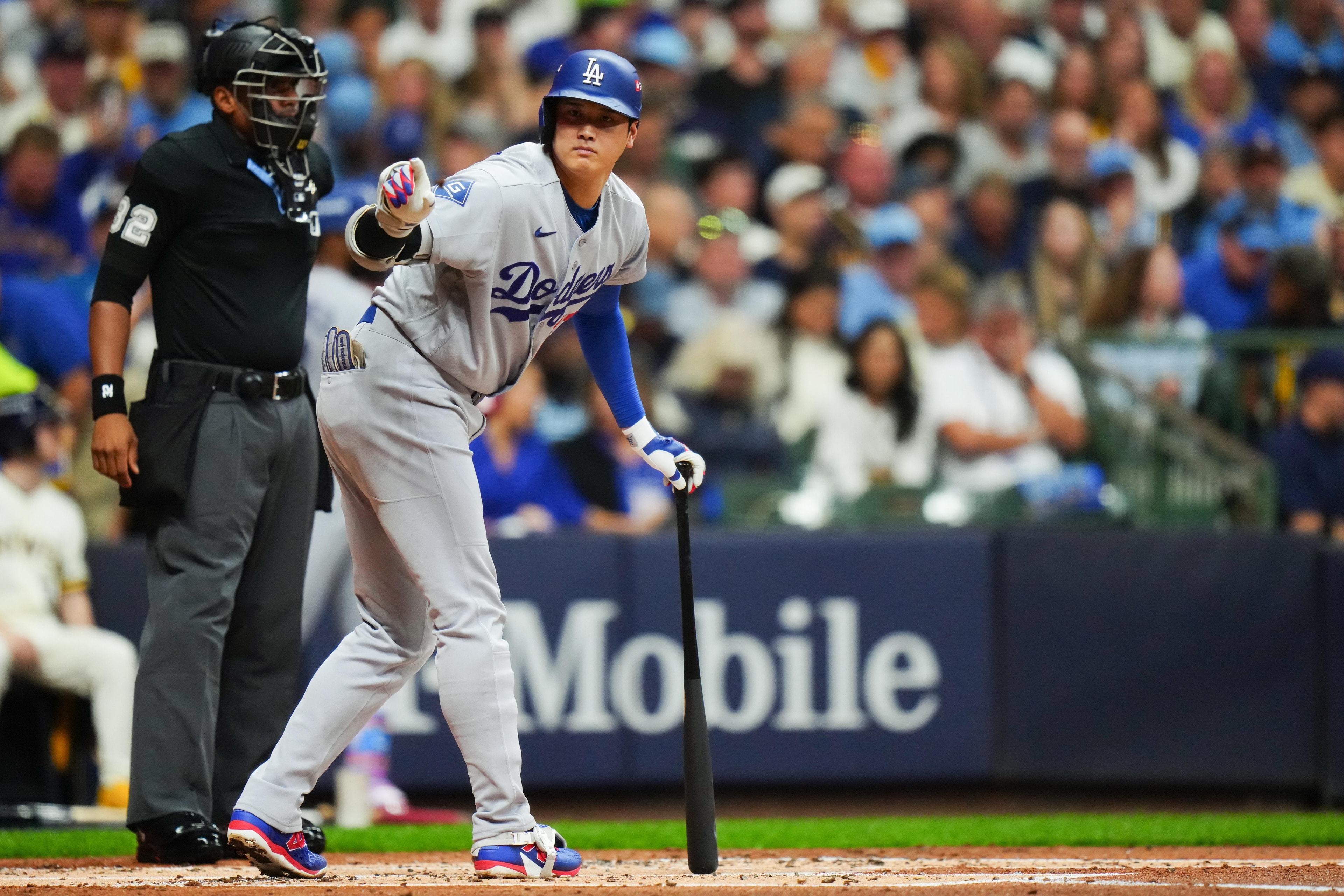
The NLCS opened with a low-scoring feel that quickly became a frustrating blueprint for the Dodgers’ offense. In Game 1, the Brewers did not need a big, swing-for-the-fences output to change the tone. According to Yahoo Sports’ recap, Milwaukee improved on its prior postseason outcome by delivering just a pair of runs in the opener, a difference that was enough to keep pressure on Los Angeles from the first inning onward.
For the Dodgers, the hard part was not just missing runs, it was the inability to manufacture offense at the same frequency that they have shown at times throughout the postseason. The same Yahoo Sports piece framed it as a challenge of opportunity creation, suggesting that while the Dodgers were able to test the game, they struggled to turn those looks into the kind of sustained production that normally forces opponents to rethink bullpen usage and pitch selection.
What made the early innings especially complicated for Los Angeles was the Brewers’ ability to get a key Dodgers opponent out of the game early, in the form of Jacob Misiorowski leaving the game sooner than the Dodgers likely wanted. Misiorowski’s early departure, as described by the recap, became part of a “glass-half-full” argument for Los Angeles: if Milwaukee’s plan could take away momentum quickly, Los Angeles still has the opportunity to respond in the next outing with a more targeted approach and better at-bats under the same conditions.
The article also described “plenty of frustration” across the Dodgers’ lineup, with the tone skewing toward a group that felt it could have done more with the opportunities it generated. That matters in a series because frustration can show up in decision-making, particularly when a team believes it is seeing the ball, but the results are staying just out of reach. In a short sample like an NLCS, those shifts can determine how quickly a club starts to press.
Milwaukee’s approach, at least in the opener, followed a straightforward postseason logic: keep the game quiet, take the lead when it is available, and avoid giving the opponent the kind of inning that turns a deficit into a catch-up sprint. The recap’s emphasis on the promise of a low-scoring game being fulfilled captures the tone of the matchup, and it also underlines how little margin exists when run totals are tight.
For what comes next, the Dodgers’ priority is likely to be simple but demanding, generate more opportunities earlier in counts and create the at-bats that produce damage, even if the ball is not immediately carrying. Meanwhile, Milwaukee’s key will be sustaining efficiency, because the more the Brewers can keep turning limited chances into runs, the more they can force Los Angeles to chase outcomes rather than set their own tempo.
Ultimately, Game 1 is both a warning and a roadmap. The warning is that the Dodgers can be held to low-end scoring production without a sustained offensive spark. The roadmap is that the margin in this series is thin, and even small changes in execution, timing, and inning-by-inning plate discipline can quickly swing how the series picture looks after the first full day of adjustments.
Why It Matters
- A low-run Game 1 emphasizes how small execution differences can define series momentum.
- The Dodgers’ inability to create offense consistently raises the stakes for lineup adjustments and earlier inning pressure in subsequent games.
- Milwaukee’s two-run efficiency indicates a path to keep the Dodgers uncomfortable, even if Milwaukee’s scoring output is not explosive.
Key Facts
- The NLCS opener featured a low-scoring game environment, and that expectation was realized, according to Yahoo Sports.
- Milwaukee needed only a pair of runs to improve on its prior postseason outcome in the opener.
- The Dodgers struggled to generate offensive opportunities at the same rate they had shown earlier, per the recap.
- The Yahoo Sports account cited frustration across the Dodgers’ offense in Game 1.
- Jacob Misiorowski was effective enough to draw an early departure from the game, which factored into a “glass-half-full” outlook for Los Angeles.