
THE APEX TIMES
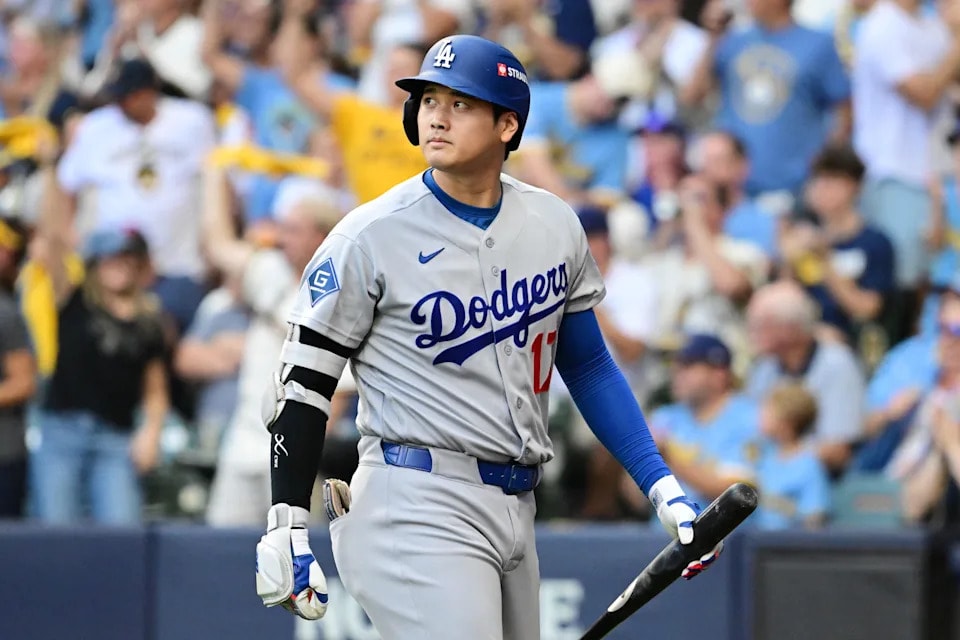
Dodgers say they are not panicking, even as concern lingers around Shohei Ohtani after tough showing in Milwaukee
Los Angeles heads back home with its World Series hopes intact, but the reigning champions are dealing with unease after the team’s star center of gravity had a difficult stretch in the road venue.
The Los Angeles Dodgers walked out of Milwaukee with a familiar postseason target on their back, and a fresh worry hovering in the middle of it. After a rough set of moments at American Family Field, Dodgers president of baseball operations Andrew Friedman moved quickly through the crowd noise on Sunday night, insisting the club is not panicking. The context, as described in the report, is that the Dodgers’ offense struggled in Milwaukee and there is particular concern about Shohei Ohtani as the team prepares to return to Los Angeles.
The concern is notable because it is not coming from a vacuum. Ohtani is the centerpiece of the Dodgers’ batting identity, and a World Series contender can absorb one night, but cannot easily normalize prolonged friction from its most important offensive engine. In the same account, the Dodgers are characterized as not worried about the overall direction of their postseason, even while acknowledging that the road trip included uncharacteristic difficulty for the offense.
Milwaukee, meanwhile, is not a simple backdrop. American Family Field carries a different atmosphere and tempo than Dodger Stadium, and playoff games often compress adjustments into a handful of swings and sequences. The report’s detail about the chants in the concourse underscores how charged the environment was for the visiting club, and how quickly a contender can feel out of sync when early leverage does not break their way.
Friedman’s message, according to the report, is essentially about process and control. Even with the Dodgers’ high-powered offense failing to click in Milwaukee, the organization’s posture is that the situation is manageable and that the team can reset once it reaches its home setting. That is a common stance for championship teams, but it matters here because Ohtani’s current state, as framed by the concern noted in the report, is the variable the Dodgers cannot ignore.
For Dodgers fans, the immediate issue is not just whether the lineup can score, but how the lineup can generate the kinds of at-bats that maximize Ohtani’s impact and protect the surrounding hitters from having to compensate. A World Series-caliber offense typically does not want to play catch-up, especially not with a star’s timing in question. The report stops short of detailing a specific diagnosis or transaction, so the prudent takeaway is that the Dodgers are treating the concern seriously while publicly portraying it as not destabilizing.
What to watch next is how quickly Los Angeles can stabilize its rhythm at the plate and whether Ohtani’s effectiveness looks like a temporary dip or something that requires a more meaningful change in approach. If the Dodgers’ first opportunities back home show sharper contact quality and a more consistent threat level, Friedman’s “not panicking” position will read as confident, not complacent. If not, the lingering concern about Ohtani becomes the story that reshapes the rest of the series.
In the postseason, the difference between worry and panic is often measured by the next few at-bats. The Dodgers believe they can turn the page, but the report’s emphasis on concern around Ohtani indicates that Los Angeles will spend the next stretch watching his at-bats closely, while trying to reassert the offensive profile that made it a reigning champion. As the team moves from Milwaukee’s atmosphere back to its own home environment, that contrast will likely decide how quickly uncertainty fades.
Why It Matters
- How quickly the Dodgers restore offensive rhythm can determine whether the team’s championship-caliber profile reasserts itself immediately.
- Ohtani’s effectiveness is central to Los Angeles’ run-production ceiling, so any prolonged uncertainty affects both lineup construction and game planning.
- Milwaukee’s postseason environment created pressure moments, and the Dodgers’ ability to respond to that environment is a recurring marker of contender status.
- The Dodgers’ insistence that they are not panicking sets a tone for how the club intends to manage perceived issues without overreacting.
Sources
Key Facts
- A report described the Dodgers’ offense as struggling in Milwaukee during the postseason.
- The account highlights concern about Shohei Ohtani alongside the Dodgers’ overall offensive difficulty.
- Los Angeles president of baseball operations Andrew Friedman was described as emphasizing the team is not panicking as it returns toward Los Angeles.
- The setting cited in the report was American Family Field, where crowd noise was prominent in the account’s description of Sunday night.
- The report frames the next phase as a reset once the Dodgers are back in their home environment.