
THE APEX TIMES
Dodgers shrug off rough O’s series, still see a higher level ahead
Even with a winning percentage that trails only the Braves and the Majors’ best run differential, Los Angeles believes its most complete baseball has not arrived yet after a difficult weekend ending versus Baltimore.
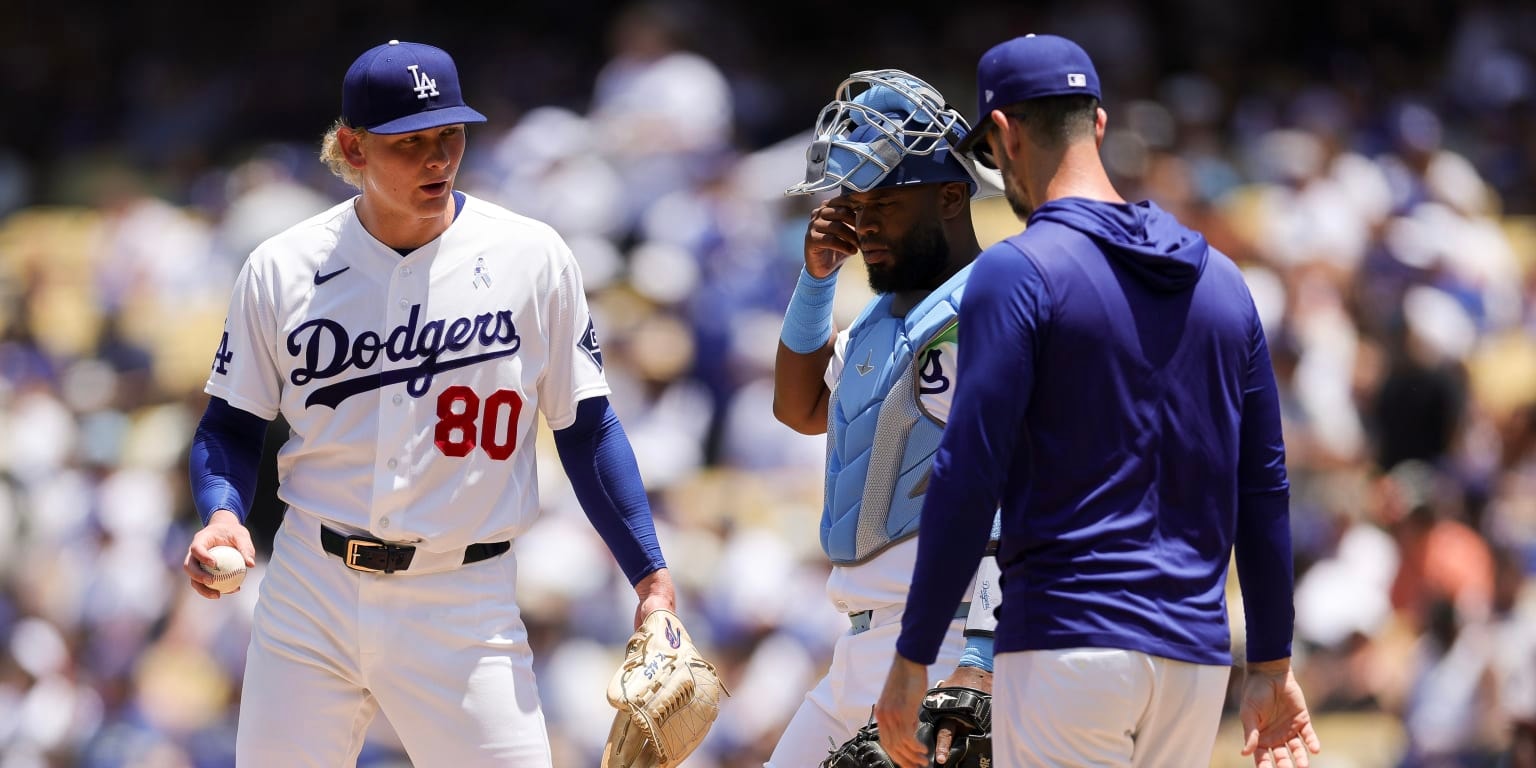
The Dodgers finished a series against the Orioles with a jolt they could feel in the clubhouse. In the finale, they allowed 12 runs, a result that made the week’s message hard to ignore: success built on pitching-and-defense precision can still slip quickly when the opponent puts together sustained damage. The setback, however, did not change Los Angeles’ larger self-assessment. Manager Dave Roberts said the best baseball for this group still lies ahead, framing the rough patch as a reminder of the standard the team is trying to reach rather than a report that it has already peaked.
The context behind that confidence is straightforward. Through the span referenced in the report, the Dodgers owned the best run differential in Major League Baseball. They also carried a winning percentage of.628, which trailed only the Braves among all clubs. Those are not the numbers of a team that is merely surviving. They suggest a roster and game plan that, even when it is not at its cleanest, has still produced enough consistent quality to bank wins and outscore opponents by a wide margin across the season.
Still, Roberts’ comments underline an important distinction between results and identity. A team can be effective while also recognizing that specific aspects are not operating at full speed, especially when a single opponent and a single stretch can expose weaknesses in command, sequencing, or the ability to turn batted-ball variety into outs. For Los Angeles, the Orioles series finale served as that sort of checkpoint, compressing multiple issues into one night where runs came in bunches.
The Dodgers’ argument is that they have the right foundation to play even better. Run differential tends to reflect more than one kind of game script. It can grow from clean starting pitching, it can be supported by bullpen stability, and it can also be built through the offense’s ability to press advantages. When a team with the best differential takes a loss like the one described, the lesson does not have to be doom. It can also be calibration, a chance to identify what broke down and correct it before the schedule brings another test that requires their highest execution.
There is also a psychological layer. Teams chasing October baseball do not only look at the standings. They track momentum, the rhythm of starts, the reliability of late-inning outs, and the ability to respond when the first run against feels inevitable. Roberts’ framing suggests the Dodgers view this as a short-term humbling that should sharpen their preparation rather than derail their confidence.
What to watch next is how the Dodgers respond to the specific kind of exposure the Orioles game represented. If their next series shows sharper pitch location, cleaner inning control, and quicker recovery from adversity, it would support Roberts’ claim that the current version of the team is not yet its peak. If the issues that led to a 12-run night linger, then the underlying strengths will matter less, because postseason-caliber opponents can punish the same mistakes repeatedly.
For now, the report places Los Angeles in a rare position: a club with league-best run differential and near-top winning percentage that still believes it has not fully arrived. In June, that kind of self-awareness can be the difference between a team that merely stays ahead and one that builds a complete profile for the playoff months. The Dodgers appear intent on converting the lesson from Baltimore into sharper baseball, and the next stretch will show whether that intention turns into performance.
Why It Matters
- With the Dodgers leading the league in run differential, the next step is refining consistency, not just collecting wins.
- A 12-run defensive or pitching breakdown can report correction needs that will be magnified against stronger playoff-quality offenses.
- Roberts’ stance suggests Los Angeles is trying to build a complete, repeatable identity rather than relying on peak results.
Key Facts
- The Dodgers owned the best run differential in MLB, and they were hitting a.628 winning percentage through the span referenced.
- Los Angeles’ winning percentage trailed only the Braves among Major League clubs in the cited comparison.
- The team’s series vs. the Orioles ended with a finale in which the Dodgers allowed 12 runs.
- Manager Dave Roberts said the Dodgers believe their best baseball is still ahead.