
THE APEX TIMES
Dolphins’ Practice 11 Opens the Door to Game-Week Feel in Joint Session With Commanders
Miami’s 2026 training camp finally gets its first look against live opponent work, with a joint practice in Ashburn that mirrors the pace and tempo of exhibition-season football.
The Miami Dolphins are finally past the in-house phase of training camp. On Wednesday, they took on an opponent for the first time during the 2026 camp cycle, staging a joint practice with the Washington Commanders in Ashburn, Va. The day carried a game-week emphasis, even if it was not yet exhibition play.
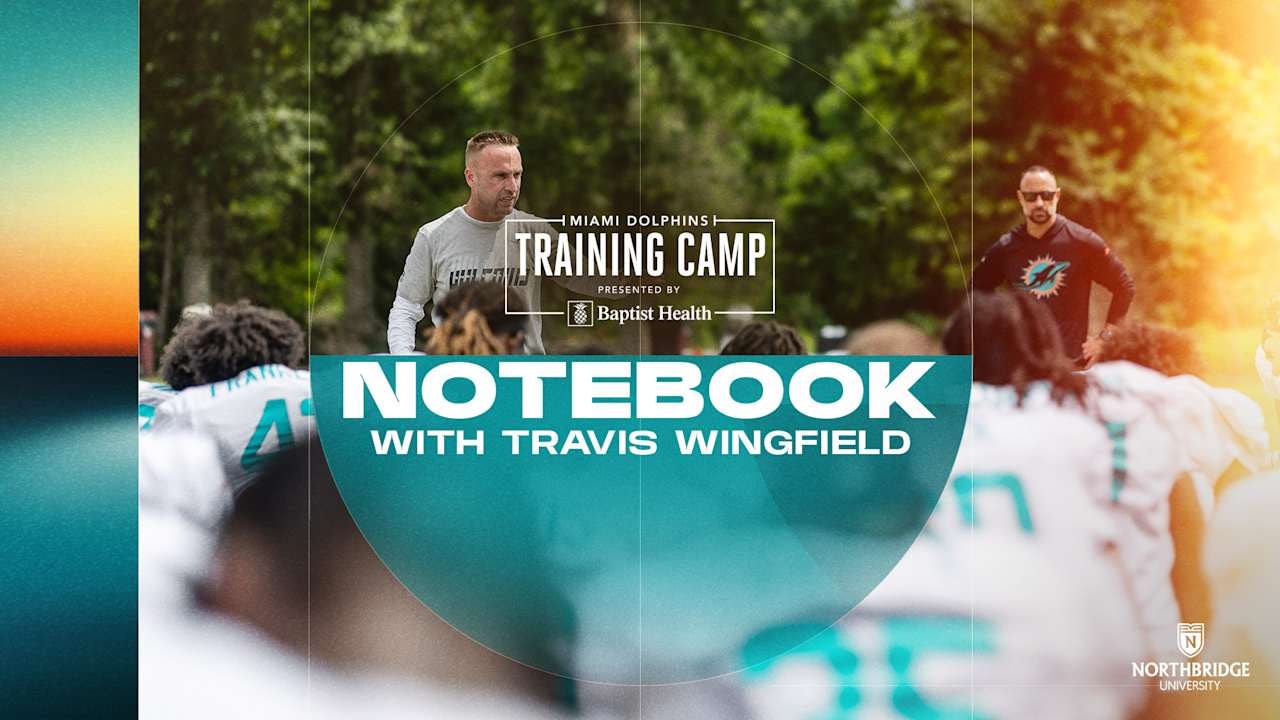
In the team’s Practice 11 notebook, the Dolphins framed the session as a step toward their next scheduled football touchpoint, an upcoming exhibition game. The overall message is straightforward: once teams cross into full-contact opponent work, the details matter differently. Footwork, timing, and situational execution become harder to simulate against teammates than in regular practice settings.
A joint practice also changes how coaches evaluate the defense-to-offense exchange. Instead of scouting only one side at a time in a controlled environment, both units are asked to respond to a live opponent’s formations, coverage adjustments, and tempo changes. That is particularly useful early in camp, when a staff is still calibrating consistency across first-team and second-team rotations.
For the Commanders and Dolphins, the Ashburn setting added another layer of meaning to the day. It is a reminder that preparation for an exhibition game is not confined to one club’s facility or routine. Players and coaches meet, move, and execute within the opponent’s rhythm and sideline cadence, which can influence how quickly a team settles into game-ready procedures.
From a football operations standpoint, Practice 11 becomes a checkpoint. The Dolphins are using the first opponent work to test timing in third-down and red-zone looks, examine how the unit reacts to pressure in pass-play sequences, and tighten communication during periods that resemble game situations. Even without announcing specific statistical outcomes, the structure of the day points to the training camp objective: compress the gap between practice reps and exhibition corrections.
What to watch next is how Miami carries the work forward into its next public-facing opportunity. The most common effect of a first joint practice is a sharper understanding of what worked and what did not under opponent pressure. The Dolphins’ subsequent exhibition game will be the clearest indicator of how they prioritize evaluation, including what they choose to stress in schematics and which matchups they lean on most.
For fans, the practical takeaway is that the season is moving from preparation toward performance. Wednesday’s joint practice in Ashburn is not the finish line, but it is the moment camp begins to look like football that counts, with the Dolphins measuring themselves against a real adversary before the team’s next step arrives on game day.
Why It Matters
- First opponent work often reveals differences that internal practices can mask, especially around timing, communication, and situational execution.
- Joint practices help coaching staffs evaluate how schemes hold up when the opponent changes look and tempo, not just when teammates repeat the same structure.
- With an exhibition game next, the Dolphins can use the results of this week’s work to shape priorities for what to emphasize in upcoming reps.
- For both teams, matching up early can set the tone for how they approach early-season roster decisions and unit readiness.
Sources
Key Facts
- The Miami Dolphins held Practice 11 on Wednesday as their first joint practice against an opponent during the 2026 training camp cycle.
- The joint practice took place in Ashburn, Va., with the Washington Commanders.
- The Dolphins described the session as a lead-in to their upcoming exhibition game.
- The team’s notebook framed the day as a shift from in-camp work toward game-day style evaluation.