
THE APEX TIMES
Dozens of Colleges Scale Back Pride Month Programming, Citing Heightened Scrutiny of Campus Neutrality
A report says many institutions adjusted or reduced Pride Month events this year after pressure tied to the Trump administration’s push for stricter enforcement of institutional neutrality policies.
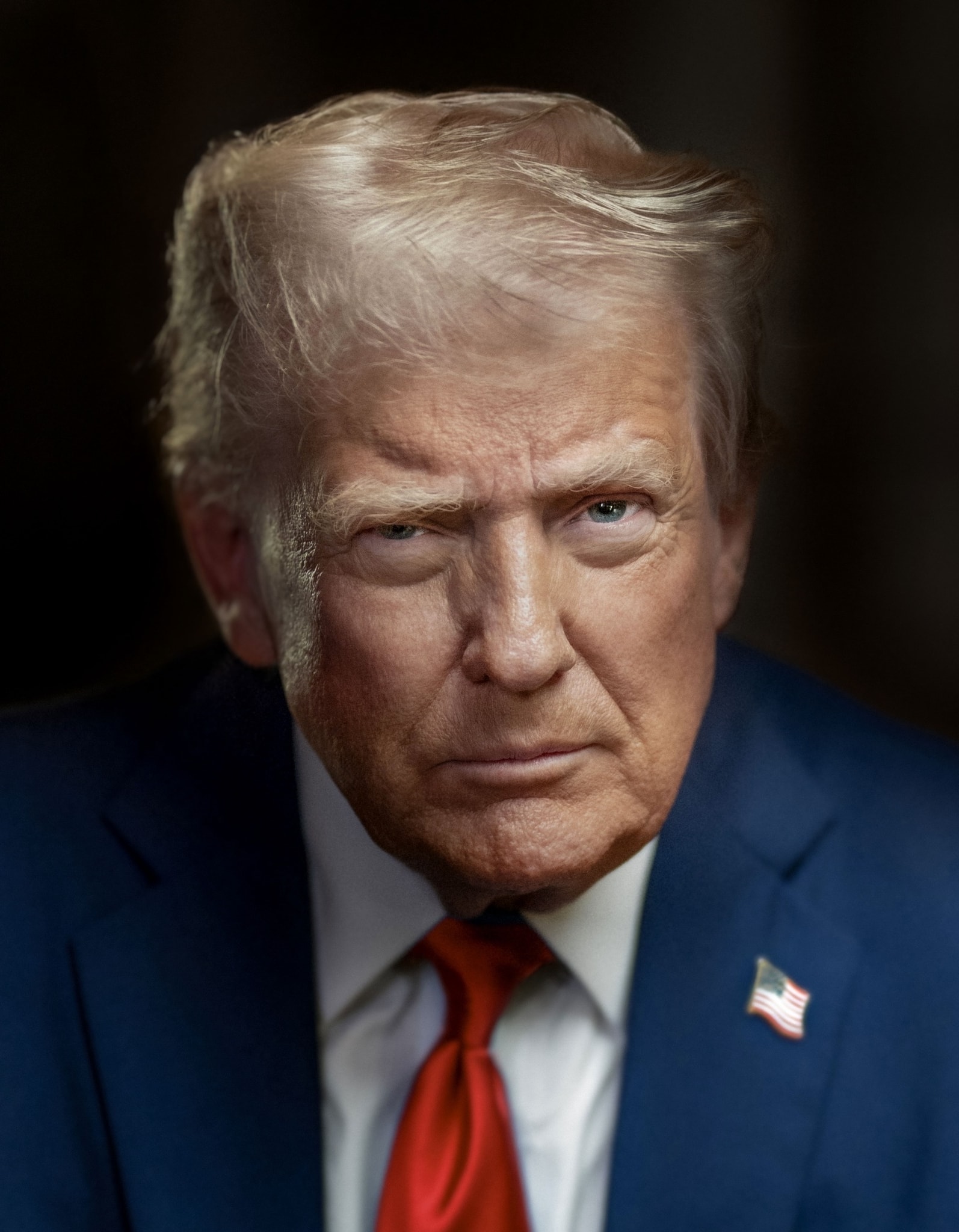
Several colleges have scaled back or adjusted Pride Month activities this year, according to a Washington Times report, after what the publication described as pressure from the Trump administration to enforce campus neutrality policies more closely.
The report characterized the changes as “quiet” and said that a number of institutions pulled back from Pride Month programming rather than expanding it. It did not name a specific federal agency action in the available summary, nor did it provide details of any single formal order that universities said they were responding to.
In many university settings, neutrality policies are framed around concerns that publicly funded institutions should not be seen as endorsing political or identity-linked viewpoints, a position that universities may interpret differently when planning public events. The Washington Times account indicates that for the current cycle, some campuses took a more restrictive approach to reduce perceived risk tied to those policies.
The practical effect, as described by the report, is that some schools either reduced the scope of Pride Month events or altered them in ways that could include smaller gatherings, fewer campus-sponsored activities, or deferment of events to avoid explicit institutional endorsement. The report said the adjustments were linked to administration pressure rather than to changes in individual campus leadership’s stated programming priorities.
Some colleges have previously faced scrutiny over whether institutional resources and official channels are being used in ways that amount to viewpoint endorsement. Whether a campus neutrality policy is being enforced through guidance, oversight, or investigations can vary by jurisdiction and agency, and no such mechanism is confirmed in the information available here.
University officials typically also face First Amendment and administrative law issues when balancing requests for neutrality against student-led expression. The Washington Times report described colleges as responding to enforcement pressure, but it did not identify any litigation, agency finding, or court order connected to the specific Pride Month adjustments described.
Why It Matters
- If federal oversight or guidance is driving campus changes, the effects could include narrower public university programming and shifts in how campuses administer student-requested events.
- University neutrality enforcement can raise recurring constitutional and administrative-law questions about speech, viewpoint neutrality, and the extent of government oversight into university planning.
- The lack of a clearly identified formal action in the available reporting makes it more difficult to determine the legal trigger colleges are responding to and whether specific remedies or appeals exist.
- How campuses implement neutrality policies may affect student access to events and the administrative burden on university offices responsible for compliance and programming decisions.
Key Facts
- A Washington Times report says multiple colleges have scaled back Pride Month programming this year.
- The report attributes the adjustments to pressure associated with the Trump administration’s efforts to enforce institutional neutrality policies more closely.
- The report describes the changes as quiet and not tied to a single publicly identified campus directive in the available summary.
- The report says some schools reduced or altered Pride Month activities to lessen perceived risk under neutrality enforcement.