
THE APEX TIMES
Draymond Green declines his $27.7 million option, creating salary-cap room the Warriors can chase with
By turning down a $27.7 million player option, Golden State’s forward can help open flexibility for future roster moves, including interest tied to marquee stars.
Golden State’s offseason chessboard shifted on Monday when Draymond Green declined his $27.7 million player option. In NBA roster-building terms, that decision does not automatically guarantee any specific addition, but it can change how much salary-cap room a team has to pursue other moves in the free-agent and trade markets.
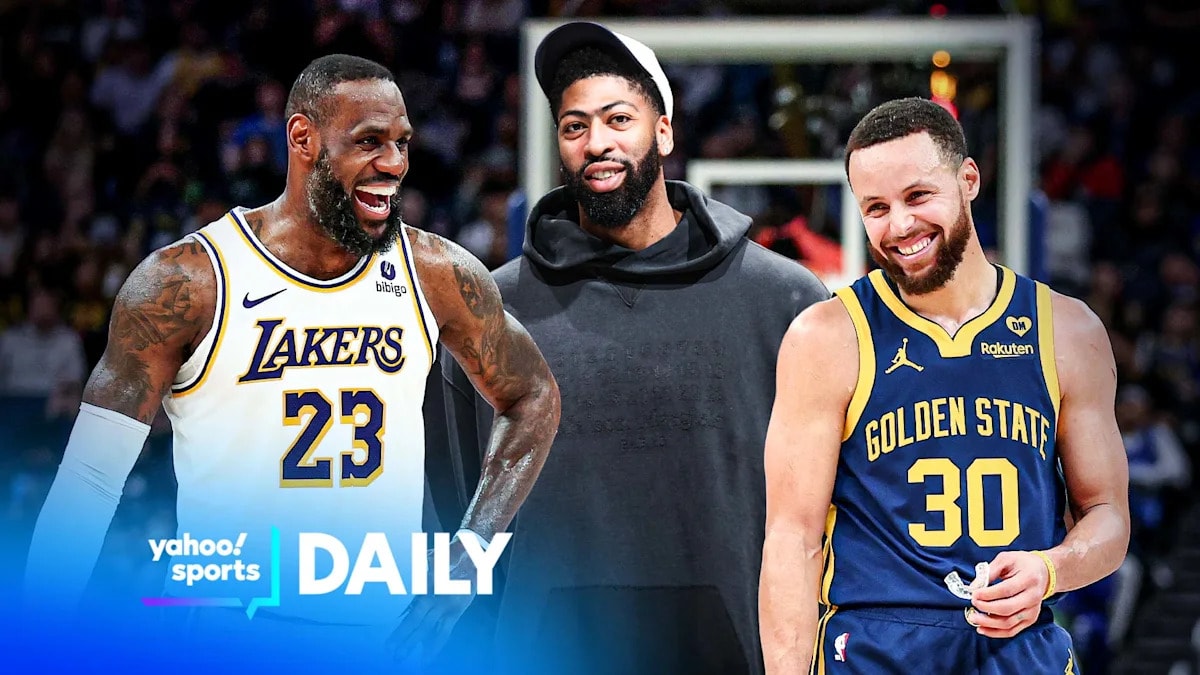
The immediate purpose, according to the reporting, is flexibility. Green’s opt-out is framed as a way for the Warriors to better manage payroll structure so the organization can stay positioned for potential pursuits of top-tier talent, with the story specifically mentioning the possibility of chasing free agent LeBron James and Anthony Davis.
What makes the opt-out consequential is the way NBA teams use cap space and contract flexibility to combine assets. Even when teams are interested in a player, the ability to make the roster fit often hinges on whether other salaries on the books can be adjusted, traded, or absorbed without jeopardizing the rest of the roster.
Green, as a long-time defensive anchor and playmaking forward, also sits at the center of any Warriors roster conversation. While declining the option can create financial room, it also indicates that Golden State is actively planning for a roster construction that may be different from simply keeping the same contract figure in place for another season.
The mention of LeBron James and Anthony Davis underscores the broader stakes. A team with championship aspirations tends to prioritize star-level upgrades when the opportunity exists, and cap flexibility can determine whether the Warriors are able to respond quickly if a high-profile player becomes attainable.
Still, it is important to separate what is reported about the rationale from what is confirmed about the end result. Declining an option is a contractual step, but the subsequent pursuit of any free agent depends on market timing, deal structures, and whether other teams choose to create or block pathways.
For Warriors fans, the next watch point is how Golden State uses the flexibility created by Green’s decision. The organization’s priorities will likely show up in how it handles surrounding roster salary, whether it looks toward a veteran star fit, and how quickly it can turn financial options into concrete contract terms.
Why It Matters
- NBA teams often need cap flexibility to make star-level moves possible, even when they have interest in marquee talent.
- An opt-out can affect the Warriors’ range of options for trades, free-agent contracts, and roster balancing.
- Green’s decision keeps Golden State positioned to react to opportunities that arise during the offseason.
- How the Warriors convert salary flexibility into actual roster changes will shape their title-orientated ceiling for the coming season.
Sources
Key Facts
- Draymond Green declined his $27.7 million player option.
- The decision is reported as a step toward freeing salary-cap flexibility for future roster moves.
- The reporting connects the flexibility to a potential pursuit of free agent LeBron James.
- The same reporting also references Anthony Davis as another potential name tied to the Warriors’ outlook.
- The story frames Green’s opt-out as an organizational salary-cap planning move rather than a specific guarantee of a signing.