
THE APEX TIMES
Drew Rasmussen settles into the ALCS by leaning on what he learned in the ALDS
The Rays right-hander says the breakthrough in Game 1 of the ALDS came once he stopped fighting the moment and let his process catch up to the crowd.
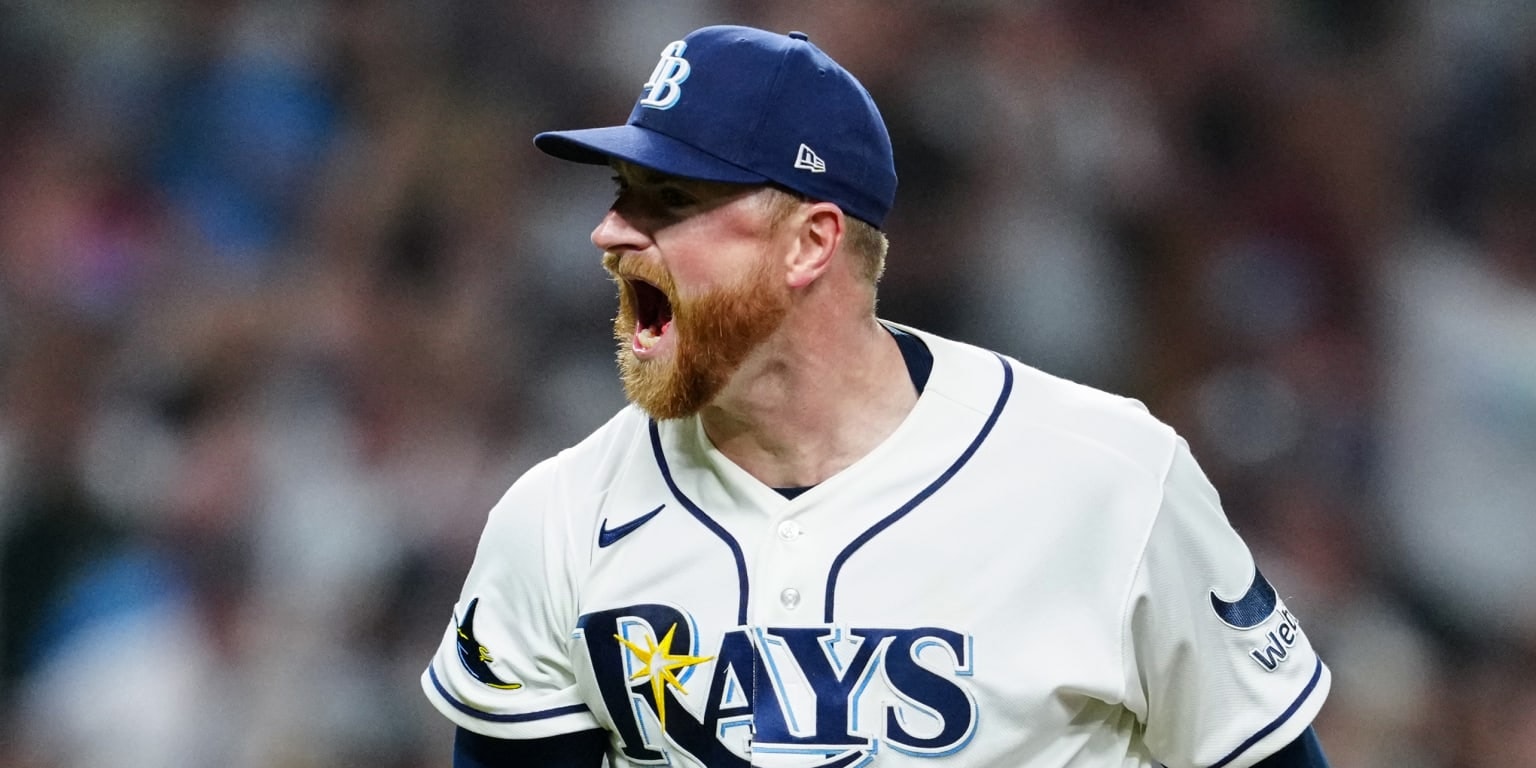
Drew Rasmussen’s path toward an ALCS encore started with an uncomfortable feeling he kept noticing while he was working through Game 1 of the American League Division Series. According to Rasmussen’s comments tied to the Rays’ postseason run, he did not feel fully settled until about the fourth inning, even though his pitching did not suggest panic. In his telling, the delay had less to do with mechanics than with the atmosphere, the sellout crowd at Tropicana Field, and the intensity that comes with opening-round playoff baseball.
Rasmussen’s central theme is that the start was different from what he wanted mentally. He described “channeling” the feeling of a first postseason home game, framing it as an adjustment to how quickly the environment can take over a pitcher’s internal rhythm. The important part of the reflection is that it still produced results in the immediate term, even if his comfort level arrived later than he preferred.
From there, Rasmussen’s outlook for the next stage has a practical shape. He emphasized a “simple plan” for an ALCS follow-up, rooted in preparation for how his body and mind respond under lights and with a full house behind the catcher. Rather than treat the late-innings settling as luck or a one-off, he is taking it as data he can carry forward, knowing that playoff intensity does not arrive on a schedule, it arrives all at once.
That approach matters because the ALCS is where small differences in execution become harder to recover from. Even when a pitcher enters with a refined plan, early counts and the first time through the order can force adjustments. Rasmussen’s comments suggest he is trying to stay ahead of that by planning for the moment he typically starts to feel comfortable, instead of waiting for it to happen by chance.
The Rays, for their part, have built their postseason identity around pitching steadiness and turning preparation into repeatable innings. Rasmussen’s emphasis on mental timing fits that style. If he can reproduce the part of his outing where he starts to feel locked in, it gives Tampa Bay another layer of predictability in a series against a different opponent with a different approach at the plate.
What to watch next is whether Rasmussen can bring that comfort earlier as the ALCS progresses. The storyline is not only how hard he throws or how many outs he records, but when his command and his confidence feel synchronized. In a matchup where hitters make their best adjustments after seeing a pitcher live, early innings can define leverage and bullpen usage.
If Rasmussen’s “simple plan” works, it will look like more than confidence. It will likely show up in how quickly he establishes his sequencing and how consistently he controls the pace of plate appearances, even when the crowd and the stakes make it harder to slow everything down internally.
Why It Matters
- For a playoff pitcher, when comfort arrives can affect early sequencing, pitch-to-pitch focus, and how cleanly the first time through the order goes.
- Rasmussen’s mental adjustment matters because the ALCS typically tightens game-to-game margins and reduces tolerance for early innings that spiral.
- If Tampa Bay can predict its starting pitching rhythm, it can shape how the bullpen is deployed over the length of the series.
- Rasmussen’s emphasis on a repeatable process highlights the Rays’ broader strategy of preparation and in-series adaptation.
Key Facts
- Drew Rasmussen said he did not feel fully comfortable in ALDS Game 1 until around the fourth inning.
- Rasmussen tied the discomfort to the intensity of the sold-out atmosphere at Tropicana Field.
- He described “channeling” the intensity of a first postseason home experience.
- Rasmussen is carrying those lessons into what he called a simple plan for an ALCS encore.
- The comments were published by MLB in connection with the Rays’ postseason run on Oct. 11, 2026.