
THE APEX TIMES
Durbin’s leadoff walk ignites a late Red Sox rally at Fenway in a walk-off win over the Giants
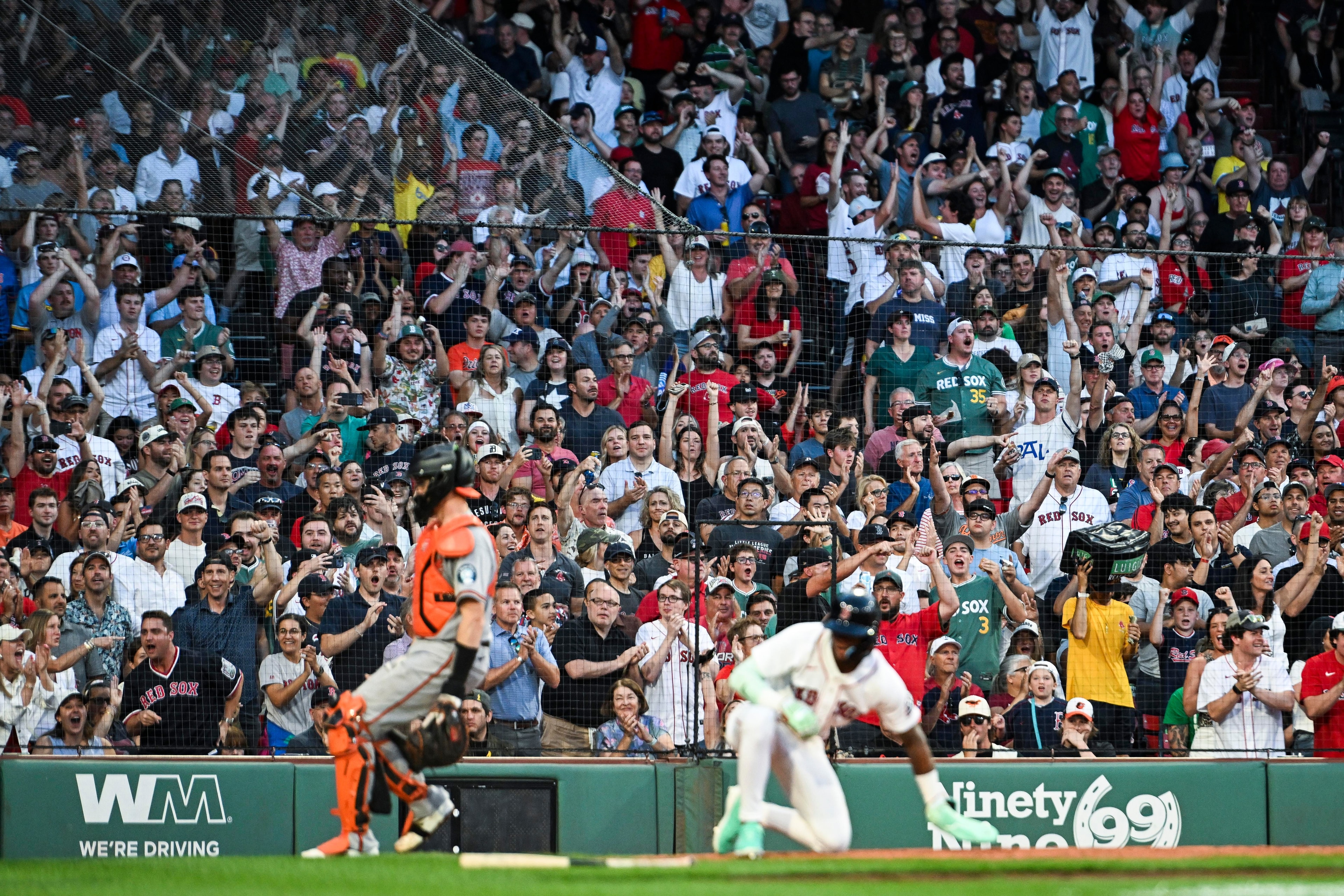
With the Red Sox down two runs entering the bottom of the ninth, a Fenway crowd that had been bracing for disappointment surged as Caleb Durbin reached base, and the game ended in walk-off fashion.
Saturday night at Fenway Park, the Red Sox found a way to turn tension into release. The atmosphere inside the 114-year-old ballpark had tilted anxious for much of the evening, and the stress sharpened when Boston entered the bottom of the ninth trailing by two runs against the San Francisco Giants.
What changed, according to the account, was how the inning began. Caleb Durbin led off the ninth with a walk, a small, ordinary event that can become pivotal when it arrives at the exact moment a team needs the game to shift. The walk brought more than a baserunner. It changed the pace of the at-bats to follow and, just as importantly, lifted the crowd from anxious to urgent.
From there, the story took its most decisive turn: the Red Sox produced a walk-off finish, sending Fenway into celebration as the game concluded in dramatic fashion. Walk-offs are not guaranteed outcomes, even for teams that are pushing late, and they usually reflect the convergence of execution, pressure, and one or two breaks that go a team’s way at the right time.
For Red Sox fans, the emphasis was not only on the result, but on the feeling. The report describes how the noise built from outside the building and then crescendoed once the ninth turned. That kind of home-field momentum matters in baseball because it can influence the tempo of the moment, whether through encouragement, hesitation in the visitors’ dugout, or simply the emotional swing that makes every pitch feel like it carries extra weight.
Even when a team is far from comfortable, late innings create a different checklist for hitters and base runners. A leadoff walk does not guarantee anything, but it forces the opposing staff to get back into a higher-leverage rhythm immediately and it gives the offense a platform to work from, especially when the stadium itself feels like it is leaning forward.
The Giants are used to managing pressure, but ninth-inning baseball is unforgiving. A two-run deficit entering the final frame can be navigable, yet the margin for error narrows quickly. In this case, the Red Sox managed to string together the kind of late-inning sequence that ends games rather than prolonging them.
Looking ahead, the immediate takeaway is the practical one: Boston demonstrated it can keep enough in reserve to chase a game in the ninth and finish it on the spot. The broader takeaway is emotional and cultural as well. Fenway is famous for reverberating when crowds believe, and this one, as described, matched the myth with the moment.
Why It Matters
- Late-inning wins can reshape a team’s self-belief, especially when the deficit enters the ninth.
- A ninth-inning leadoff walk can function as a pressure pivot, changing how the next at-bats are approached by both teams.
- Walk-off outcomes are high-leverage moments that often define how fans remember a series.
- Fenway’s atmosphere can amplify momentum, and this game is framed as a vivid example of that effect.
Sources
Key Facts
- The Red Sox were trailing the Giants 2-0 entering the bottom of the ninth.
- Caleb Durbin led off the ninth inning with a walk.
- Boston won via walk-off fashion after the ninth-inning breakthrough.
- The game was played at Fenway Park, described as a 114-year-old stadium.
- The report highlights the Fenway crowd’s shift from anxious to celebratory as the inning unfolded.