
THE APEX TIMES
Dustin May exits after first pitch rockets back at 106 mph as Brewers’ bullpen braces early
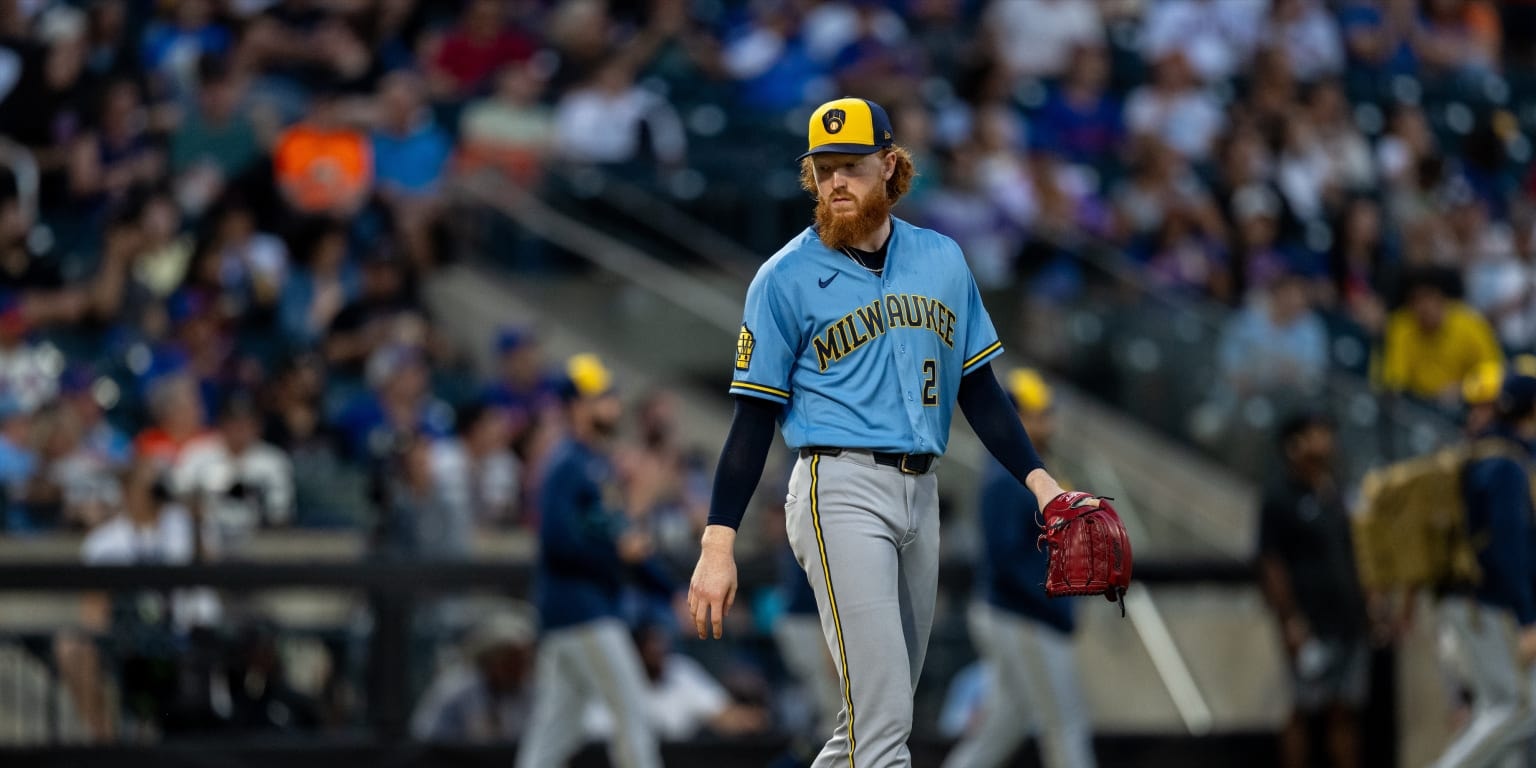
A.J. Ewing’s leadoff swing sent a comebacker off Dustin May’s back at 106 mph, ending the start immediately and forcing Milwaukee to tap its relief corps early in a Mets-Brewers game at New York.
Brewers starting pitcher Dustin May’s outing ended on the very first pitch Wednesday night, when a comebacker off his back left the bat at 106 mph. The play began as Mets leadoff hitter A.J. Ewing stepped in, took May’s opening offering, and drove a hard ground-level line back toward the mound.
According to the Brewers’ game report, May did not get to record a second pitch. The sequence put Milwaukee in a sudden and high-leverage spot immediately, with its bullpen required to stabilize the inning from the start of the contest. That kind of abrupt early pivot is rare, but when it happens it compresses the manager’s options for the rest of the game.
The impact was not only immediate but strategic. With the bullpen “stretched thin,” as the report characterizes the situation, each subsequent decision carries extra weight, from how many outs are needed in the early innings to whether later matchups can be handled by preferred arms or have to be managed with whatever is freshest. Even when teams have multiple capable relievers, there is a limit to how long the group can absorb additional innings when a starter’s workload is cut to zero.
For Ewing, the first-pitch production mattered for more than momentum. A leadoff at-bat is often about setting tone and forcing the pitcher into a quick plan, and in this case it also created the kind of contact that can change an entire game’s pitching shape. A comebacker at 106 mph is the sort of ball that not only travels quickly but also interrupts the normal rhythm of a start, since the pitcher must react immediately rather than build toward an inning-by-inning approach.
Brewers-Batters context also matters when a start is disrupted this early. Milwaukee’s lineup still has to navigate the at-bat after the mound visit and the bullpen change, but the pitching staff has less flexibility to use specific pitchers for specific batters. In typical circumstances, a starter can help keep leverage in reserve by being the primary weapon against one side, one swing window, or one phase of the order. With May out after one pitch, those responsibilities shift to relievers immediately.
Milwaukee’s next steps would center on protecting the game state while preventing one hard inning from turning into multiple. When the bullpen is forced into action sooner than planned, managers often lean toward pitchers who can provide a clean reset, even if they cannot go as long as they might in a normal start-and-relief pattern. The same is true in the middle innings, where the bullpen can be asked to cover more ground, sometimes blending roles across lefty-righty matchups and inning lengths.
What to watch next is whether Milwaukee’s relief group can stretch beyond its typical comfort zone without sacrificing effectiveness in the late innings. Games that begin with a first-pitch exit usually turn into a test of depth: not just which relievers are available, but how long the team can maintain quality command and decision-making after absorbing extra workloads earlier than planned.
Why It Matters
- An immediate first-pitch exit changes a team’s entire pitching plan, shifting leverage to relievers from the earliest inning.
- When the bullpen is taxed early, it can limit matchup flexibility later in the game and affect late-inning options.
- Leadoff at-bats can influence more than the base runners, altering starter workload and bullpen usage patterns.
Key Facts
- Brewers starter Dustin May exited immediately after his first pitch.
- The first pitch was hit back as a comebacker off May’s back by Mets leadoff hitter A.J. Ewing.
- The batted ball was clocked at 106 mph.
- The early exit forced Milwaukee to use its bullpen earlier than planned.
- described Milwaukee’s bullpen as stretched thin in connection with the situation.