
THE APEX TIMES
In MLB history, it is exceedingly uncommon for a player to change teams midseason in consecutive years, spend the first of those seasons with the eventual World Series winner, then land on the next year’s champion and win again. Dustin May became the latest to do it, and MLB credits the Elias Sports Bureau for the historical comparison.
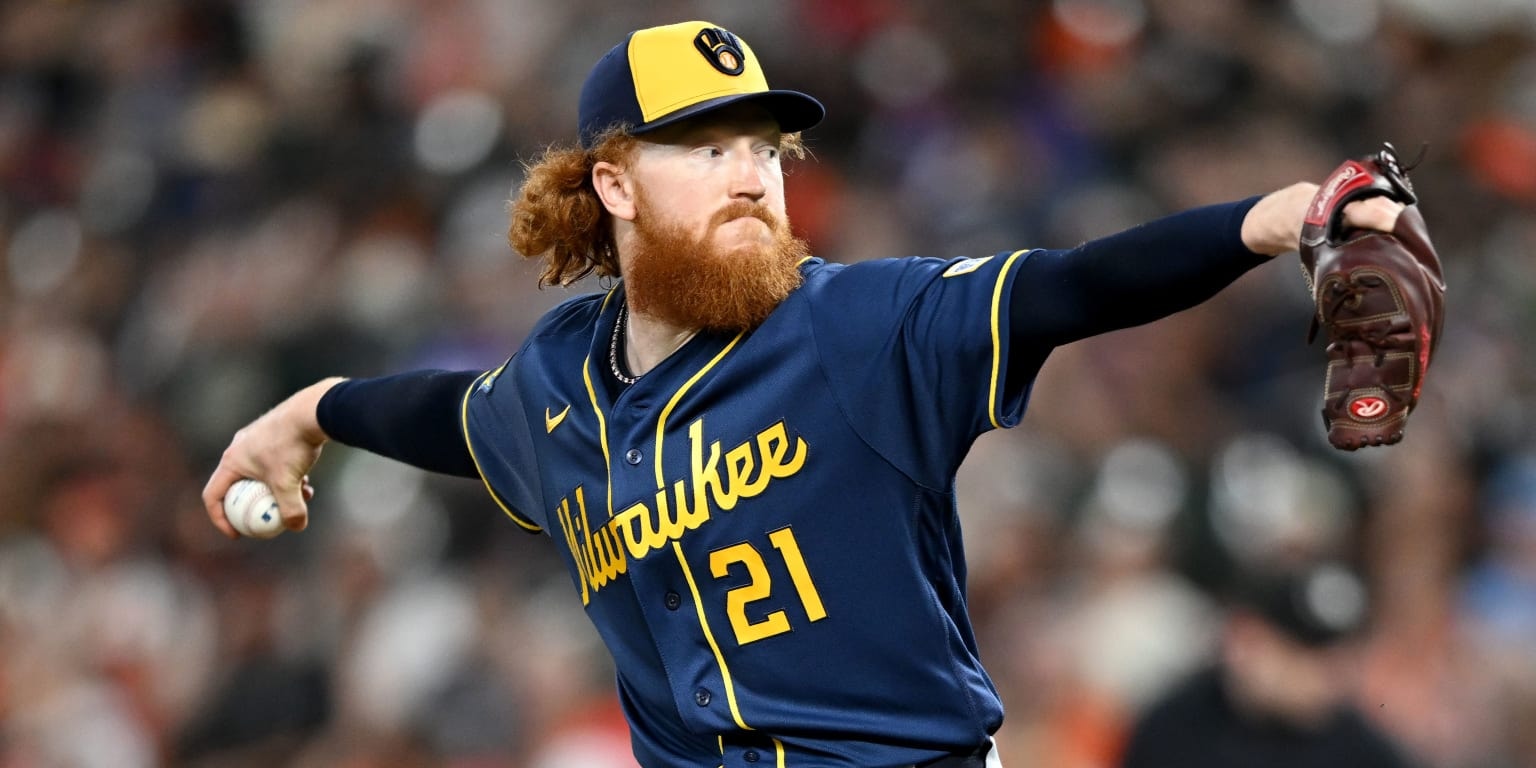
Dustin May’s 2026 postseason journey added one more layer to a career already defined by rapid turnarounds and high-stakes trades. MLB reported that May made his MLB debut in 2019, pitched in the 2020 World Series run with Los Angeles, then later missed the entire 2024 season following Tommy John surgery and an esophageal tear.
The uncommon part, according to MLB, is the sequence of destinations around the World Series winners. MLB said May began 2025 with the Dodgers, was traded at the deadline to the Boston Red Sox, and then was traded again the following offseason, ultimately reaching the Milwaukee Brewers midseason, where he pitched in a second Fall Classic and again emerged a champion.
MLB framed the key question as how rare it is to be traded away from the eventual champions in one season, only to be traded to the eventual champions midseason the next year. Using Elias Sports Bureau history, the league reported that May is the third player to play for multiple teams in each of two straight seasons, with the specific pattern of being on the eventual champions in year one before ending the season elsewhere, then joining the World Series champions as a player in year two.
The other two examples MLB cited were Lee King and Dal Maxvill. MLB reported that King began 1921 with the New York Giants, was traded to the Philadelphia Phillies in July, and then in 1922 began with Philadelphia before his contract was purchased by another club, after which the Giants reacquired him and won again. MLB reported Maxvill’s parallel run as beginning 1973 with the Oakland Athletics, being sent to the Pittsburgh Pirates, and then starting 1974 with Pittsburgh before being released in late April and then picked up by Oakland, which went on to win another World Series.
MLB said May is the first player to accomplish that broader “last two champions” sequence in which he departed the eventual champions midseason in one year and then joined another club midseason the following year to win the title again.
MLB’s conclusion described May’s accomplishment as singular, even compared with the earlier King and Maxvill cases, because those earlier players were tied to title runs in which the same team won in both years, while May’s path connected different championship teams across consecutive seasons.