
THE APEX TIMES
Dylan Lee points to pitch tipping as a possible explanation for Braves’ second-half dip
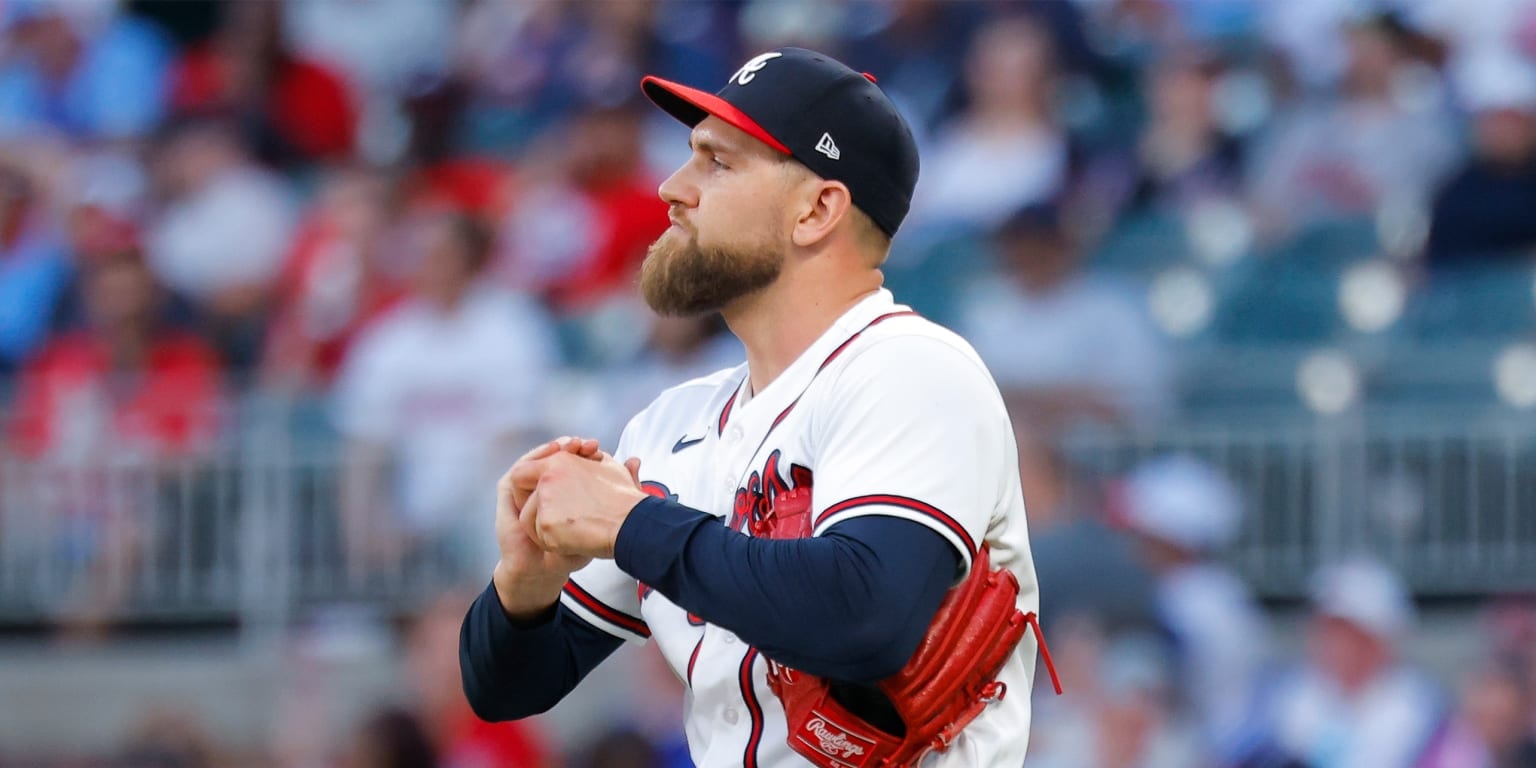
Atlanta’s momentum was derailed in a makeup against a sub-.500 opponent, and bullpen leader Dylan Lee suggested that opposing hitters may be timing his offerings.
The Atlanta Braves did what they had to do in a makeup game, but they did not like how it felt to end a recent seven-game run. According to Dylan Lee’s postgame assessment, the more unsettling part was not simply the loss, but what it could indicate about why Atlanta has been less sharp in the second half. The issue, as Lee framed it, is the possibility of pitch tipping, a small change in execution that can become a big swing in results once hitters catch a pattern.
Lee, one of the Braves’ key late-inning relievers, has been dealing with a noticeable second-half downturn, and he did not try to put it on luck. In his view, the opposing side may have gained a clearer read on what was coming, allowing batters to get better contact on his pitches. When a top reliever’s performance slides in the same way across multiple outings, the explanation is often mechanical, but Lee’s suspicion centered on whether information is getting out, intentionally or not, during the delivery.
Pitch tipping is notoriously hard to detect from the mound in real time. It can come from subtle timing differences, repeated release cues, or consistent body movement that makes one pitch type more recognizable than another. Lee’s comments matter in this context because they go beyond the scoreboard. A tip, if present, can force an entire approach to change, including how a pitcher sets hitters, sequences pitches, and even whether he leans on his best option in certain counts.
The Braves’ opponent in the makeup game was below.500, which made the stumble harder to process for a team that had been building rhythm. Atlanta’s offense and its overall game plan were unable to prevent the end of the winning streak, but Lee’s emphasis on pitch tipping suggests the club is trying to diagnose the larger trend rather than treating the loss as an isolated setback. In a season where late-inning pitching can be the difference between “close games” and “manageable games,” even a minor decline from a trusted arm can reshape how the rest of the bullpen gets used.
Atlanta also has to consider the nature of second-half adjustments. When teams begin to see consistent usage and gather more information, their hitters can become more selective and more aggressive against the same offerings. That can magnify any report that a reliever’s pitches are being identified early, especially if the pitcher has continued to throw similar sequences to similar hitters. Lee’s concern implies the Braves may be doing more than simple bullpen rest and recovery. They may also need to confirm whether their in-game cues and pitching mechanics are giving anything away.
For Braves fans, the immediate watch item is not only whether Dylan Lee gets back to his usual level, but how the team responds if the tip hypothesis holds up. That could show in his pitch selection and how quickly he makes adjustments after hitters begin to sit on a certain look. It could also show in how the Braves structure matchups going forward, especially in late innings, where a reliever’s effectiveness often dictates who gets called on and when.
More broadly, Lee’s comments highlight a truth about postseason-caliber teams: the margins get thin, and small inefficiencies become costly. If Atlanta can find and fix whatever is causing opposing hitters to anticipate pitches, it could reverse the second-half decline quickly. If not, the Braves may need longer-term corrections, including changes in how Lee approaches specific hitters and how the bullpen is managed when games turn into high-leverage situations.
Why It Matters
- If Lee’s pitch tipping suspicion is confirmed, it could affect not just one outing but Atlanta’s late-inning effectiveness over the rest of the season.
- A turnaround from a top reliever can change bullpen usage patterns, reducing the burden on other arms.
- Second-half declines often come from repeatable adjustments by opponents, and diagnosing a potential report can help the Braves respond faster.
- High-leverage performances against weaker opponents still matter, because streaks and confidence tend to swing with late-inning bullpen execution.
Sources
Key Facts
- Dylan Lee, a Braves reliever, suggested pitch tipping may be contributing to his second-half struggles.
- Atlanta’s makeup loss included the end of a seven-game winning streak.
- The Braves were playing a sub-.500 opponent in the makeup game.
- Lee expressed dissatisfaction with his start, and the Braves offense did not provide the cushion needed.
- Lee’s explanation points to an execution-based issue rather than treating the results as random variation.