
THE APEX TIMES
Eagles plan to keep Lane Johnson on 53-man roster while handling cap math around a possible retirement
A report says Philadelphia is managing the salary-cap impact of Lane Johnson’s retirement with roster bookkeeping rather than an immediate move off the active list, a strategy designed to smooth the timing of cap charges.
The Philadelphia Eagles are expected to keep longtime offensive tackle Lane Johnson on the team’s 53-man roster this season, according to a report published Tuesday by Pro Football Rumors. The move, if it plays out as described, would keep Johnson on the active roster while the Eagles address the salary-cap consequences of retirement-related accounting.
In NFL roster management, retirement does not just change who is physically on the field, it can also create cap charges depending on how a team structures contracts and when salary and bonus proration effects are recognized. The report frames Philadelphia’s approach as cap planning built around the timing of retirement and the way contract provisions can shift costs across seasons.
Pro Football Rumors points to a pattern the Eagles have used before. In 2024, the team processed the retirements of Jason Kelce and Fletcher Cox as post-June 1 cuts, a classification that can spread cap impacts over two league years rather than concentrating them in a single season. The report suggests Johnson’s retirement is being handled in a similar direction.
For the Eagles, the practical value of this kind of cap choreography is that it can make room to compete during the season without forcing abrupt financial tradeoffs. Teams often have to balance current-season roster needs against the long tail of salary-cap charges that come from older contract terms, particularly for veteran players with option bonuses, void-year language, and other mechanisms tied to cap accounting.
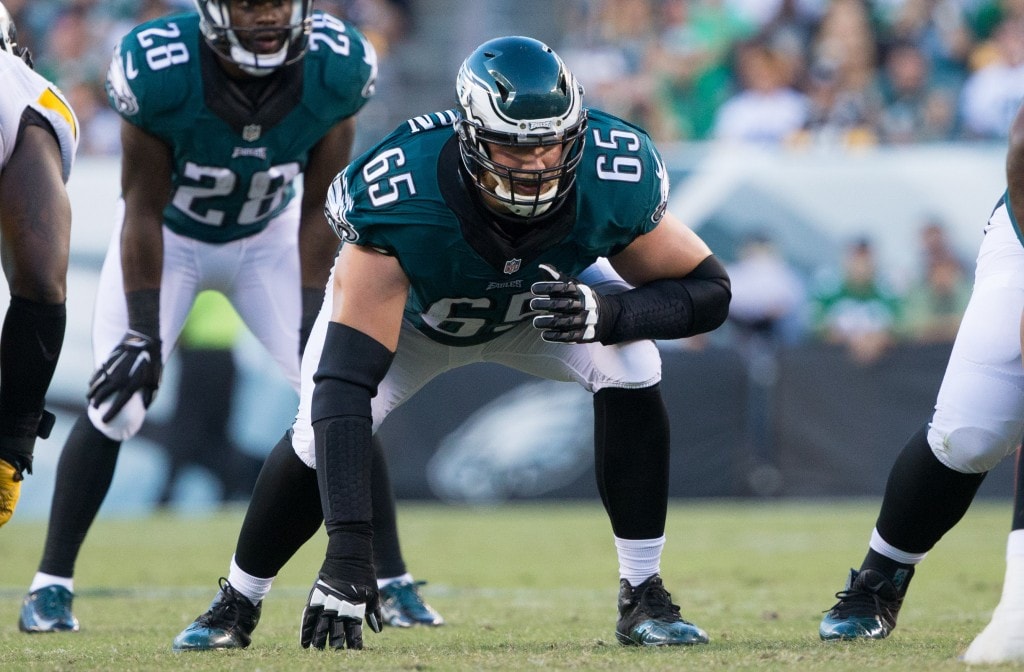
Lane Johnson’s role matters in that balancing act even beyond the cap sheet. He has been a cornerstone of Philadelphia’s offensive line identity for years, and any transition at tackle changes how the Eagles think about protection, run blocking, and the overall continuity of the front. Keeping him on the active roster, at least for the current season, preserves line stability while the organization manages the accounting side of a retirement timeline.
The report does not present this as a guarantee of Johnson’s final status beyond the roster-management decision. It describes the Eagles’ intent and the cap rationale, but the underlying reality is that retirement outcomes can involve additional procedural steps and league rules. Teams also can adjust decisions as the season develops, depending on how the active roster is shaped and how cap calculations land.
Still, the reported approach offers a window into how the Eagles are trying to protect flexibility. By spreading or timing retirement-related charges, teams can reduce the pressure to make multiple financial resets at once, especially when other roster needs compete for cap space.
What to watch next is whether Philadelphia formally aligns Johnson’s status with the strategy described, and whether the team’s later roster moves reflect the cap room that comes with that timing. If additional cuts or transactions occur that appear designed to offset the same salary-cap headwinds, it would reinforce the idea that Johnson’s situation is being used as a planning lever rather than an afterthought.
Why It Matters
- Keeping a veteran offensive tackle on the active roster can affect on-field continuity while a team manages cap timing.
- Retirement-related cap charges can reshape how much flexibility a team has for in-season roster needs.
- Using post-June 1 style accounting (as the report references from earlier Eagles retirements) can spread financial impact instead of creating a single-season squeeze.
- If the Eagles’ plan proceeds, it may indicate how Philadelphia intends to prioritize roster stability alongside cap compliance.
Key Facts
- Pro Football Rumors reports the Eagles plan to keep Lane Johnson on the 53-man roster this season.
- The report links the decision to salary-cap consequences associated with retirement accounting.
- It says the Eagles have used similar treatment previously with Jason Kelce and Fletcher Cox in 2024 as post-June 1 cuts to defray cap costs over a two-year period.
- The underlying rationale described involves contract structures and the timing of cap recognition when retirement occurs.
- The report frames Johnson’s retirement as heading toward a comparable accounting approach.