
THE APEX TIMES
Eliot Wolf says Patriots traded Kayshon Boutte to Texans without second thoughts about helping a rival
New England’s executive vice president of player personnel addressed the roster trade after the Patriots sent the wide receiver to Houston in a deal that included a safety and a future draft pick.
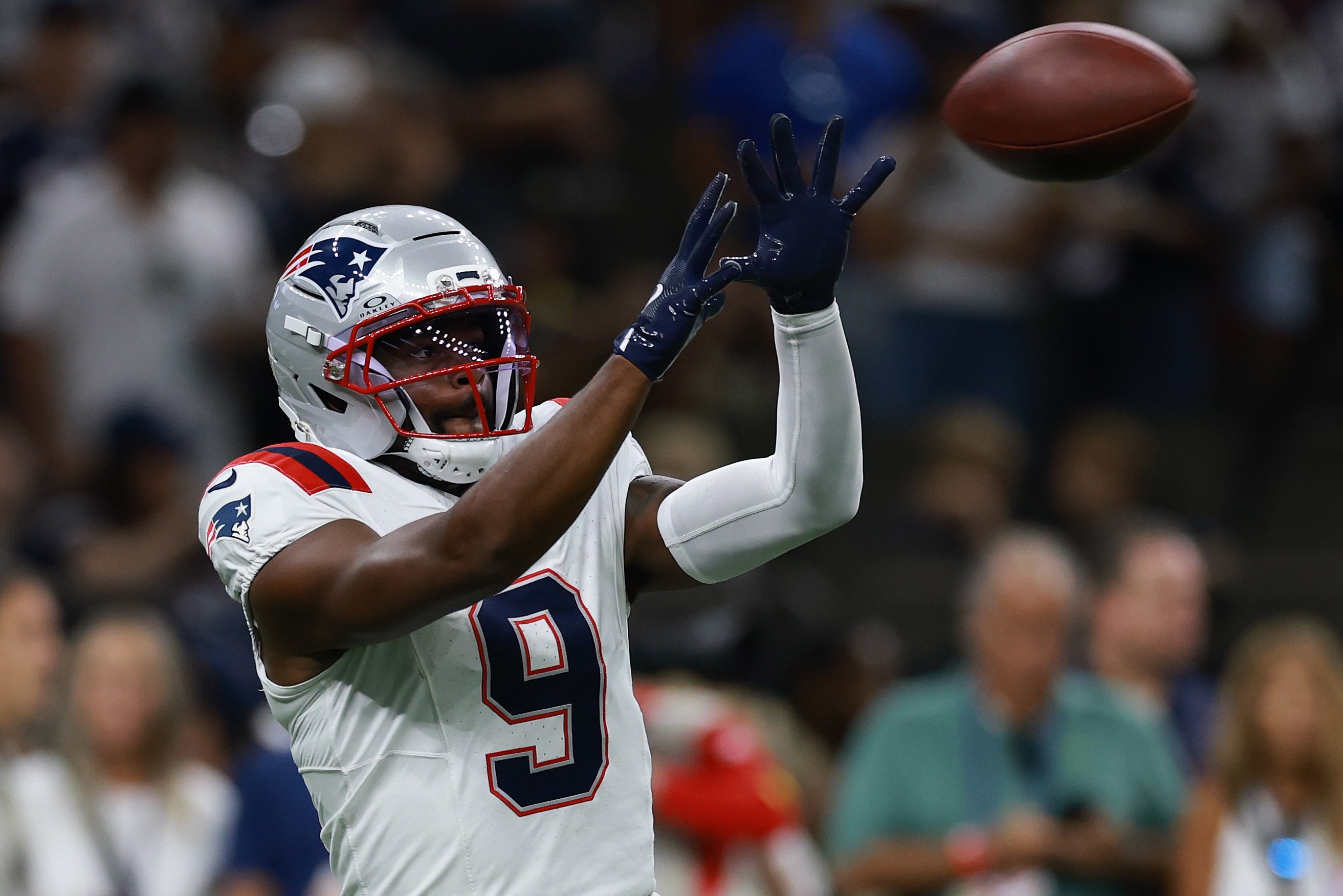
The Patriots’ trade of Kayshon Boutte to the Texans is already being framed as more than a simple roster move, and Patriots executive vice president of player personnel Eliot Wolf was explicit about why New England did not treat it as a potentially risky concession to a conference rival. Wolf’s explanation, reported by Yahoo Sports, centers on the idea that the decision was made on football and roster evaluation rather than fear that the move could strengthen a team the Patriots might face in the same division or postseason path.
According to the report, New England and Houston reached an agreement on Monday that sent Boutte from the Patriots to the Texans in exchange for safety Jaylen Reed and a 2028 seventh-round draft pick. The compensation detail matters because it indicates that the Patriots were not just trying to create space or make a lateral swap, they were actively reallocating resources and targeting a specific role on defense while getting something for the receiver in return.
The optics are heightened by timing. Wolf’s comments in the Yahoo Sports piece reference that the Patriots and Texans had met earlier in the season’s postseason picture, with Boutte’s trade coming roughly seven months after New England faced Houston in the divisional playoff round. Even so, Wolf said there was no concern about possibly helping a conference opponent, an argument that suggests the Patriots’ internal grading of Boutte’s fit and the value of Reed as an in-need defensive piece outweighed any strategic discomfort.
For the Texans, the added wide receiver depth offers a concrete way to build or refine the receiving room with a player coming out of his third-year NFL phase. For New England, trading a receiver for a safety suggests the Patriots view the defensive backfield as a lever worth pulling, particularly if they believe Reed can contribute in coverage, run support, or special teams in a way that aligns with their defensive identity.
The presence of a future draft pick in the exchange also adds a longer-term layer to the trade. A 2028 seventh-rounder is not a premium asset, but it provides additional flexibility, especially when teams weigh near-term roster needs against longer rebuild timelines or depth-churn realities over multiple offseasons.
Wolf’s broader message, as presented in the report, is essentially that the Patriots operated as if the deal improved New England’s roster and decision-making process, not as if it created an unacceptable competitive risk. That framing matters in the NFL because trades between divisional opponents often carry psychological weight, but front offices are built to evaluate fit and value even when the other team is in the same playoff ecosystem.
What to watch next is how each team uses the personnel change. New England will have to show that the safety it acquired and the defensive emphasis behind the trade translate into tangible role clarity. Houston, meanwhile, will be looking for its investment to show up in how it deploys Boutte in route concepts and targets, and whether Reed’s arrival accelerates New England’s defensive plans. If both teams get what they want from their new pieces, Wolf’s “no concern” stance will read less like talk and more like a coherent roster strategy.
Until the full roster and practice-plan context becomes clear, the trade will remain a debate point. But the reported terms, the executive’s explanation, and the unusual proximity to a recent playoff meeting together ensure the move will be examined as much for its front-office logic as for its on-field outcome.
Why It Matters
- Trades with divisional opponents often raise competitive questions, and Wolf’s remarks aim to close that debate with a valuation-based justification.
- The exchange of a receiver for a safety indicates the Patriots prioritized defensive alignment and skill-set needs over adding another offensive piece.
- For Houston, acquiring Boutte adds a receiver asset while betting the fit and development path align with their offensive plan.
- For New England, adding Reed and a future pick suggests the roster strategy includes both immediate coverage needs and longer-term depth management.
- With the Texans and Patriots having met in the divisional playoff window referenced in the report, the move sets up a storyline that will be tested in future matchups.
Key Facts
- The Patriots traded wide receiver Kayshon Boutte to the Texans.
- The reported return package was safety Jaylen Reed plus a 2028 seventh-round draft pick.
- Eliot Wolf, the Patriots executive vice president of player personnel, addressed the decision and said there was no concern about helping a conference rival.
- The report notes the Patriots had faced the Texans in the divisional playoff round about seven months earlier.
- The trade was described as an agreement reached between New England and Houston on Monday.