
THE APEX TIMES
Chicago’s games last year blended scoring bursts with late drama, highlighted by a franchise-best run of fourth-quarter comebacks and a postseason push under first-year head coach Ben Johnson.
An ESPN analyst has labeled the Chicago Bears as the most “watchable” team in the NFL, pointing to how often their games changed shape late and how frequently big plays broke contests open. The thesis is straightforward: last season, Chicago produced an unusual amount of end-of-game electricity and competitive tension, the kind that keeps viewers from changing channels.
The statistical backdrop to that label was Chicago’s run of late-game rallying. According to the report, the Bears recorded a record seven fourth-quarter comebacks in 2025, a number that speaks not just to resilience, but to game management and offensive punch late when opponents tightened their coverage and tried to protect slim margins.
The Bears’ overall results matched the late-game narrative. Chicago finished the regular season 11-6, won the NFC North, and then backed it up with a wild-card playoff victory. Those outcomes matter because they place the “watchable” conversation in the broader frame of winning, not merely exciting highlight reels.
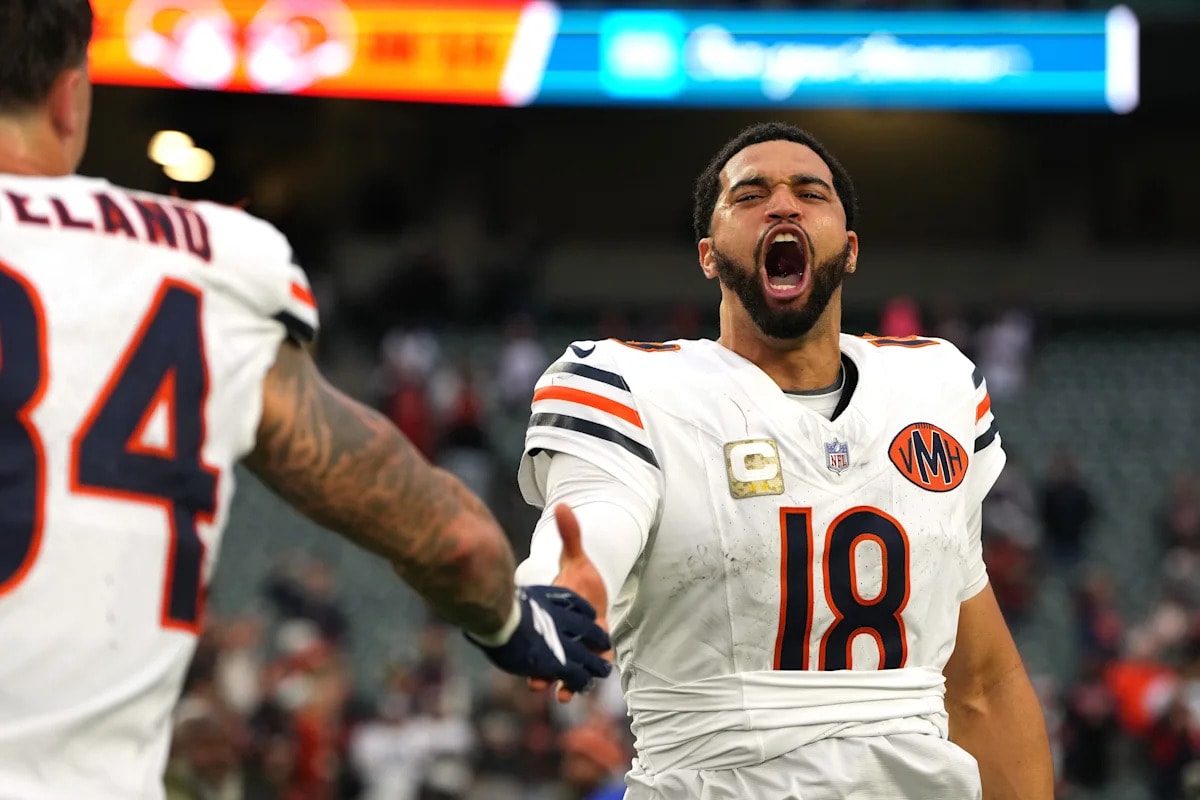
Quarterback Caleb Williams was specifically tied to the storyline in the report, described as delivering memorable throws as the Bears surged through multiple comeback situations. That connection reinforces why the league’s late-game identity was so visible. When a young quarterback is comfortable operating under time pressure and trailing late, the entire offense tends to play with a different tempo.
The context of Ben Johnson’s first season as head coach also shapes how the label should be read. With Johnson in his debut as the face of the program, Chicago’s ability to manufacture fourth-quarter turnarounds suggests a coaching staff that could adjust quickly, keep players engaged across long stretches, and build game plans that still function when execution gets harder.
There is, however, an important caveat to any “most watchable” assessment. It is based on last season’s profile, and watchability can shift quickly with personnel, health, and how opponents game-plan. The next test for Chicago is whether the late-game pattern remains consistent enough to define the team again, not just once.
For fans and evaluators, the practical question is what happens when opponents prepare for the Bears’ comeback reputation. If Chicago can continue to create explosive plays early and still close them out late, the “watchable” label will look less like an aesthetic compliment and more like an indicator of a sustainable competitive edge. If not, it may revert to being a one-season identity rather than a blueprint for 2026.