
THE APEX TIMES
ESPN NFL Draft analyst maps Trinidad Chambliss’s strengths and weaknesses ahead of next spring’s draft
A recent NFL Draft analysis from ESPN personnel framed Trinidad Chambliss as a prospect whose NFL fit will depend on how his strengths translate to pro-style speed, physicality, and technique, while also identifying the areas that could require coaching and development.
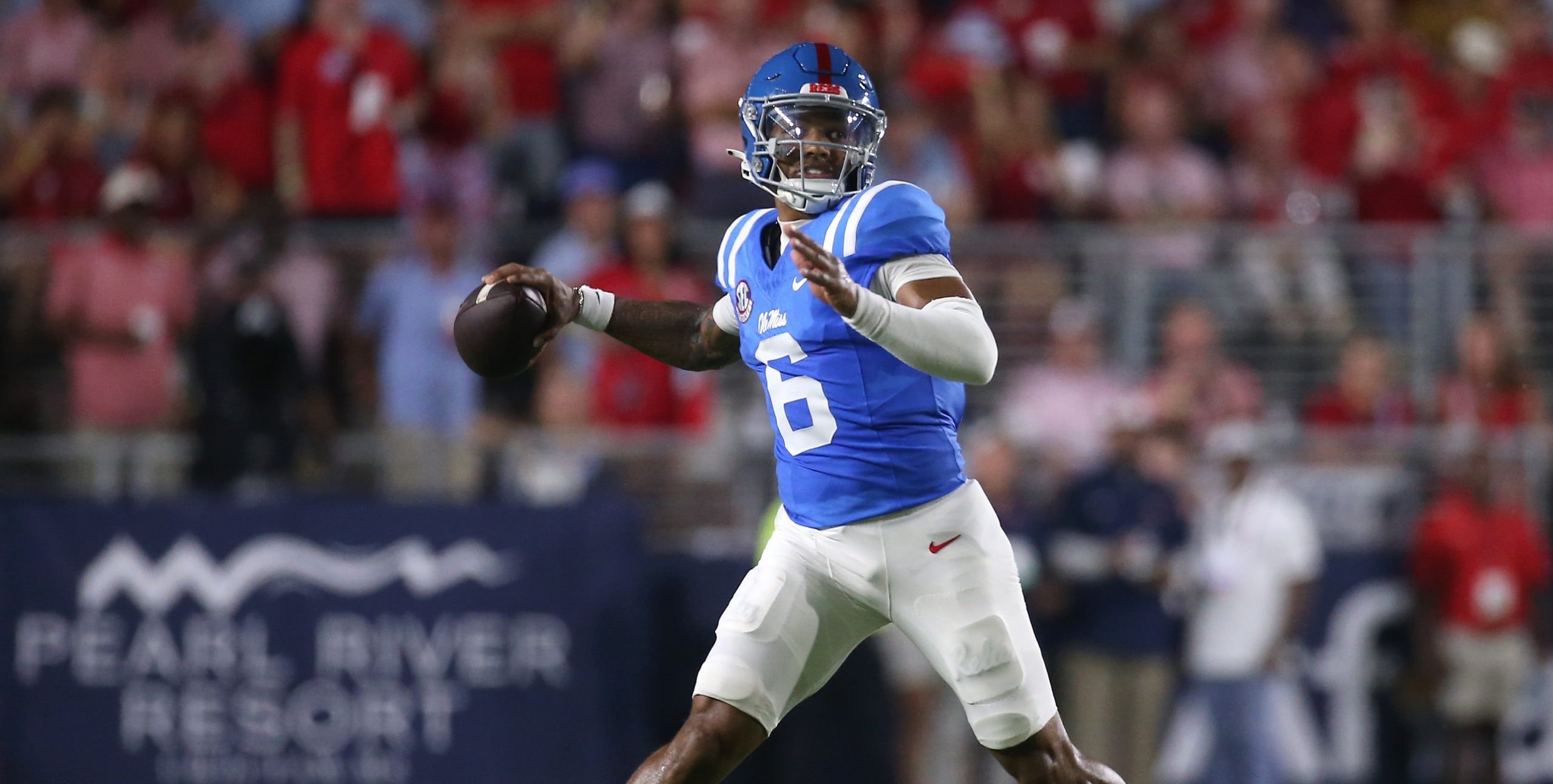
Trinidad Chambliss entered the NFL Draft conversation again through an ESPN NFL Draft analysis that focused on what he could bring to pro teams “next spring,” laying out both his strengths and the weaknesses that evaluators would likely weigh. The piece, published by Saturday Down South, is not a transaction report, but a scouting-style examination meant to help teams and fans understand why a college player might be appealing at the next level.
In scouting terms, the value of an NFL Draft analyst’s breakdown is less about immediate confirmation and more about projecting role fit. The analysis described what Chambliss’s game can do, and then counterbalanced that with questions about where his production or tools may be less secure against NFL-level competition. For prospects, that mix of promise and uncertainty often becomes the deciding factor in draft range and coaching priority.
While the Saturday Down South write-up centers on the ESPN analyst’s impressions, it also reflects a standard draft process: teams look for repeatable fundamentals, how a player performs when plays are sped up, and whether technique holds under pressure. “Strengths” in that framework typically point to traits such as athletic upside, anticipation, and playmaking ability, while “weaknesses” tend to focus on consistency, leverage, or how a player responds to more advanced game plans at the next tier.
Chambliss’s coverage also highlights a key timeline reality for college football athletes. The NFL Draft is still months away, and evaluation in October often emphasizes transferable skills more than it does season-end conclusions. Prospects can still affect their draft posture through training, on-field performance, and how well they refine the specific issues analysts identify.
For teams, the practical takeaway is that a player like Chambliss will likely be viewed through a developmental lens, especially if the “weaknesses” include repeatability rather than a single, fixable flaw. Even prospects who show the right ceiling can fall into a wait-and-see category if evaluators believe coaching adjustments will be required before they can contribute consistently.
What to watch next is whether Chambliss can address the concerns that the ESPN analyst flagged in a way that shows up clearly in games and practices: cleaner execution, more reliable situational decision-making, and stronger performance against the types of opponents that stress his weaker areas. If he does, his draft narrative can shift from “potential with questions” toward a more defined pro-ready skill set.
Why It Matters
- Draft evaluations shape how teams prioritize prospects, especially when a player’s profile includes both high-upside traits and specific technical questions.
- For Chambliss, the ESPN breakdown effectively sets a roadmap of what scouts will scrutinize, which can influence how he is coached and how his role is discussed.
- For college football fans, the story underscores how player narratives begin to form months before the draft, based on translation to NFL-level speed and scheme.
Sources
Key Facts
- The Saturday Down South report says an ESPN NFL Draft analyst provided a strengths-and-weaknesses evaluation of Trinidad Chambliss.
- The analysis is framed around what NFL teams could gain from Chambliss “come next spring,” indicating draft-relevant projection rather than a current roster move.
- The piece focuses on scouting themes, pairing upside traits with development concerns commonly assessed in NFL evaluation.
- No player transaction, contract, or draft prediction details are described in the provided material.