
THE APEX TIMES
ESPN’s Pete Thamel questions whether Deion Sanders’ $54M Colorado deal is worth it
A lucrative contract meant to accelerate Colorado’s football turnaround is facing scrutiny as the program seeks sustainable traction after an early resurgence.
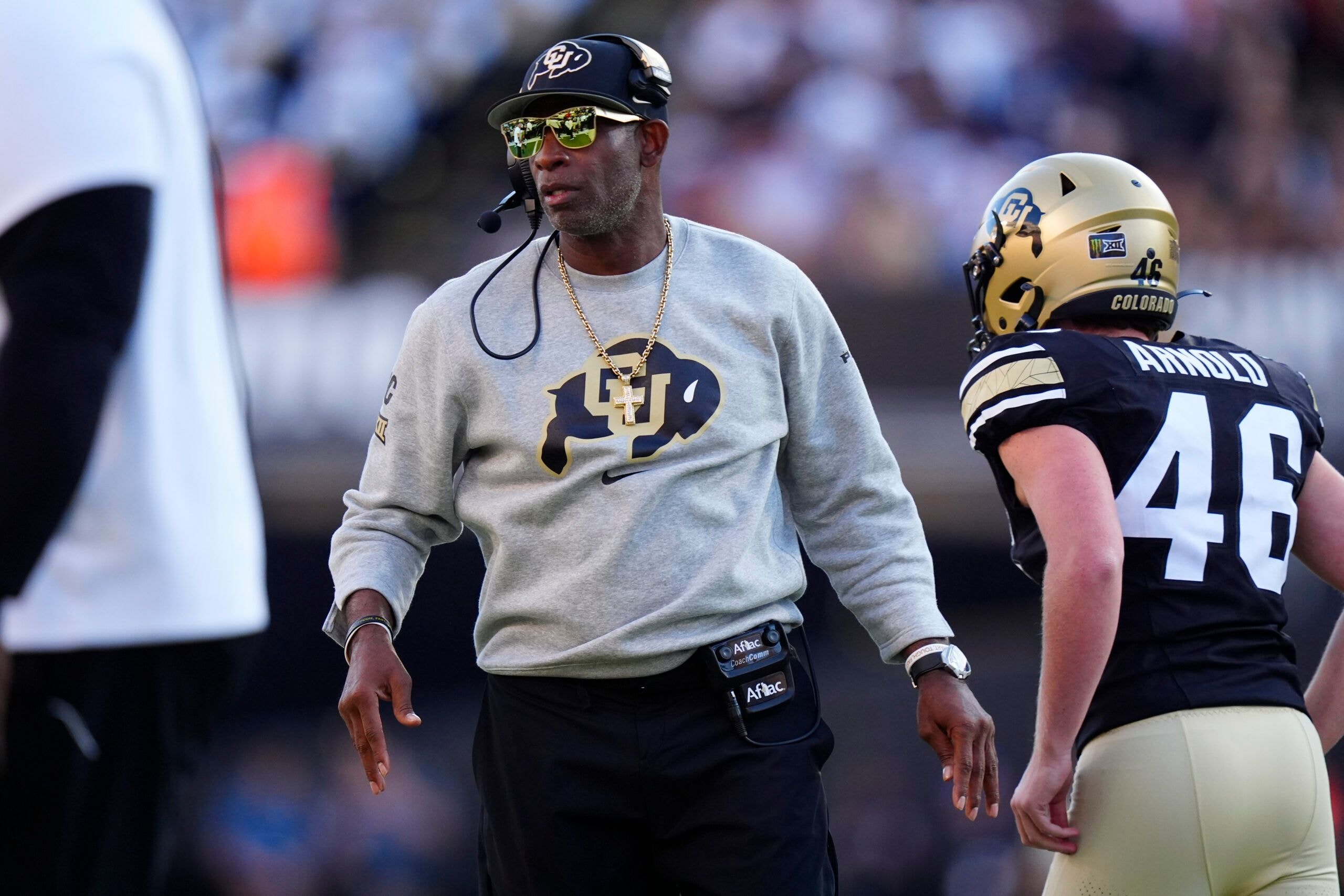
Deion Sanders’ $54 million contract with the Colorado Buffaloes has become a focal point in college football conversations about coaching risk and return on investment, after ESPN reporter Pete Thamel delivered what he called a blunt reality check on the deal.
According to a Yahoo Sports report on Thamel’s assessment, Colorado’s decision to pay Sanders at a league-leading level was tied to the revival the program experienced during his early tenure. But the same report says Thamel is now questioning whether that early momentum has translated into the kind of sustained results that justify a contract of that size.
Colorado football has been in the spotlight since Sanders arrived, largely because his hire was positioned as more than a coaching change. It was framed as an attempt to reset recruiting momentum, raise national visibility, and speed up the program’s rebuilding timeline. In that context, a major pay package functions as a report to recruits and support staff that the university is willing to invest to move faster than a typical multi-year rebuild.
Still, Thamel’s reported critique points to a familiar tension in the college game: when performance plateaus or growth is inconsistent, large contracts can quickly become a referendum on the overall strategy, not just the results. The Yahoo Sports piece characterizes the investment question through the lens of “worst contracts” language, arguing that the financial commitment is difficult to reconcile with the progress the program has shown since the initial surge.
The scrutiny also reflects how quickly expectations rise when a program makes a splash hire. Sanders’ contract set a high bar for immediate impact, and it invites stronger public evaluation than a more modest deal would. In modern college football, coaching contracts are no longer viewed only as compensation. They are interpreted as a statement of organizational belief about the timetable for winning.
There is also a structural factor unique to college football. Even when a coach makes progress on the field, roster turnover driven by transfers and eligibility cycles can make it hard to attribute outcomes solely to the head coach’s long-term plan. That does not eliminate accountability, but it adds complexity to evaluating whether a particular contract figure matches the program’s actual trajectory.
For Colorado, the practical question going forward is what “payoff” looks like for a contract of this magnitude. The standard measure is on-field performance over a meaningful stretch of seasons, but the broader test includes recruiting momentum and program stability. If the Buffs can show that early gains are turning into consistent competitiveness, the deal will be easier to defend. If not, the debate is likely to remain part of every offseason and media cycle.
Why It Matters
- Large coaching contracts in college football increasingly influence recruiting perception and how quickly programs are judged.
- High-dollar deals raise expectations for sustained on-field progress, not just flashes of improvement.
- The Colorado situation is a test case for whether early turnaround can justify financial commitments without consistent follow-through.
- Media scrutiny can affect internal pressure on staff and recruiting strategy as the team moves deeper into the rebuild timeline.
Sources
Key Facts
- A Yahoo Sports report says ESPN reporter Pete Thamel questioned the value of Deion Sanders’ $54 million Colorado contract.
- The report frames Colorado’s investment as tied to Sanders’ early role in reviving the program.
- Thamel’s assessment, as described by Yahoo Sports, uses harsh “worst contract” language to characterize the deal’s payoff.
- The scrutiny centers on whether early momentum has produced sustainable results for Colorado.
- The report positions the contract as a high-expectations bet that is now facing a tougher public evaluation.