
THE APEX TIMES
Examining the NFL’s 2026 cap picture: the AFC’s biggest single-player hits, and what they report
With training camps approaching and the league in a rare lull, a league-cap exercise highlights which active players are each AFC team’s largest 2026 salary-cap burden. The point is less about immediate transactions and more about what roster decisions can be hard to unwind.
Pro Football Rumors published a team-by-team look at the AFC’s largest 2026 salary-cap hits, using an approach that focuses on players who are still on their teams’ rosters. The goal, as framed by the outlet, is to identify where a franchise’s flexibility may be constrained, because the biggest single cap numbers usually reflect long-term commitments rather than short, easily adjustable deals.
For context, the exercise also notes why some high-profile players would not be part of the comparison if they are no longer on the roster. As examples of that filtering logic, it states that it “disqualifies” players such as Tua Tagovailoa of the Dolphins and Aaron Rodgers of the Jets, meaning their cap impact is not examined in this specific “still on the roster” ranking.
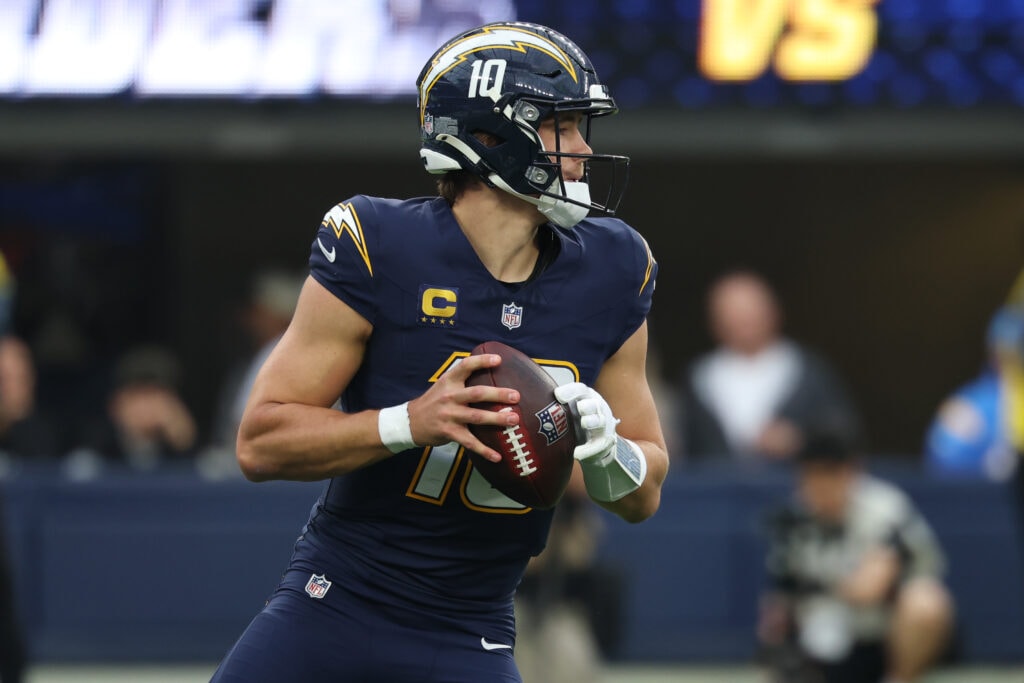
The article then uses Justin Herbert’s situation as a detailed example of how a large cap hit can coexist with on-field momentum and roster-building intent. It points out that Herbert’s interception total increased from three in 2024 to 13 last season, and it links the rise to an offense that also struggled to protect the quarterback. The outlet cites that the Chargers took 54 sacks, described as the second-highest total in the league, and frames that as a consequence of an offensive line that it characterizes as among the worst.
Even with those problems, the same rundown says Herbert still produced an 11-win season and a playoff berth, and it describes the Chargers’ postseason end as a 16-3 wild-card loss to the Patriots. That combination, the article suggests, is exactly why cap analysis matters: a team can be paying for a high-impact starter while still needing to correct the supporting cast around him.
The cap-hit question also connects to the kind of offseason fixes teams typically pursue. The writeup says the Chargers moved on from offensive coordinator Greg Roman in favor of Mike McDaniel, and it identifies additions to the tight end group with Charlie Kolar and David Njoku, while also referencing Oronde Gadsden. It adds that interior offensive-line upgrades were pursued, and it emphasizes one key timeline detail for 2026 planning: it expects left tackle Rashawn Slater and right tackle Joe Alt to be back.
In the article’s framing, that points to a “who’s on the roster” cap-hit reality that can turn into a performance bet. Herbert’s largest cap number is portrayed not as an abstract number, but as a commitment tied to a team that believes it can improve with structural changes, especially up front, heading into a fifth season for the quarterback. The outlet also ties the expectation to the third season of a multi-year extension for Herbert, portraying it as a window where the team’s investment is meant to pay off on the field rather than simply remain on the books.
As the league moves toward training camp, this kind of analysis is most useful as a planning lens rather than a prediction tool. The biggest cap hits can illuminate which teams have less room to pivot quickly, and which teams are more likely to lean into “fix the pieces around the star” approaches. For teams watching their AFC peers, the practical question becomes whether those locked-in commitments align with the improvements franchises are already targeting this offseason.
If you want to go further, the next items to watch are the ones that typically determine whether large cap burdens become manageable: how early offensive-line continuity develops, how coordinator changes translate into protection and play design, and whether tight end and pass-catching usage becomes more stable. Those are the areas where the cap math described in this survey can show up in real football outcomes, long before the league year’s transactions fully reveal themselves.
Why It Matters
- The biggest single cap hits can limit how quickly teams can reshape rosters, making 2026 performance expectations feel more concrete.
- For franchises paying elite quarterback money, the cap burden often magnifies the importance of surrounding improvements like protection and play design.
- Because this look excludes off-roster players, it offers a clearer view of what commitments remain for the 2026 season rather than what might be changed later.
- A coordinator switch and targeted position-group upgrades, when aligned with improved health, can show whether a team’s cap investment is translating into results.
Key Facts
- A Pro Football Rumors report examines each AFC team’s largest 2026 single-player salary-cap hit using only players who are still on rosters.
- The report says this approach excludes players not on rosters, citing Tua Tagovailoa (Dolphins) and Aaron Rodgers (Jets) as examples.
- The report describes an increase in Justin Herbert’s interceptions from three in 2024 to 13 last season.
- It attributes part of Herbert’s turnover environment to pass protection problems, including 54 sacks taken by the Chargers.
- The report ties the Chargers’ offseason direction to staff and personnel changes, including a coordinator change from Greg Roman to Mike McDaniel and tight end additions of Charlie Kolar and David Njoku.
- It emphasizes that left tackle Rashawn Slater and right tackle Joe Alt are expected to be back, framing that as an important part of the 2026 outlook.