
THE APEX TIMES
Falcons Camp Notes: Jack Strand learning the volatility of life “behind center”
In Atlanta’s second day of AT&T Training Camp, Jack Strand framed his early NFL experience around one theme: the position can change faster than any plan.
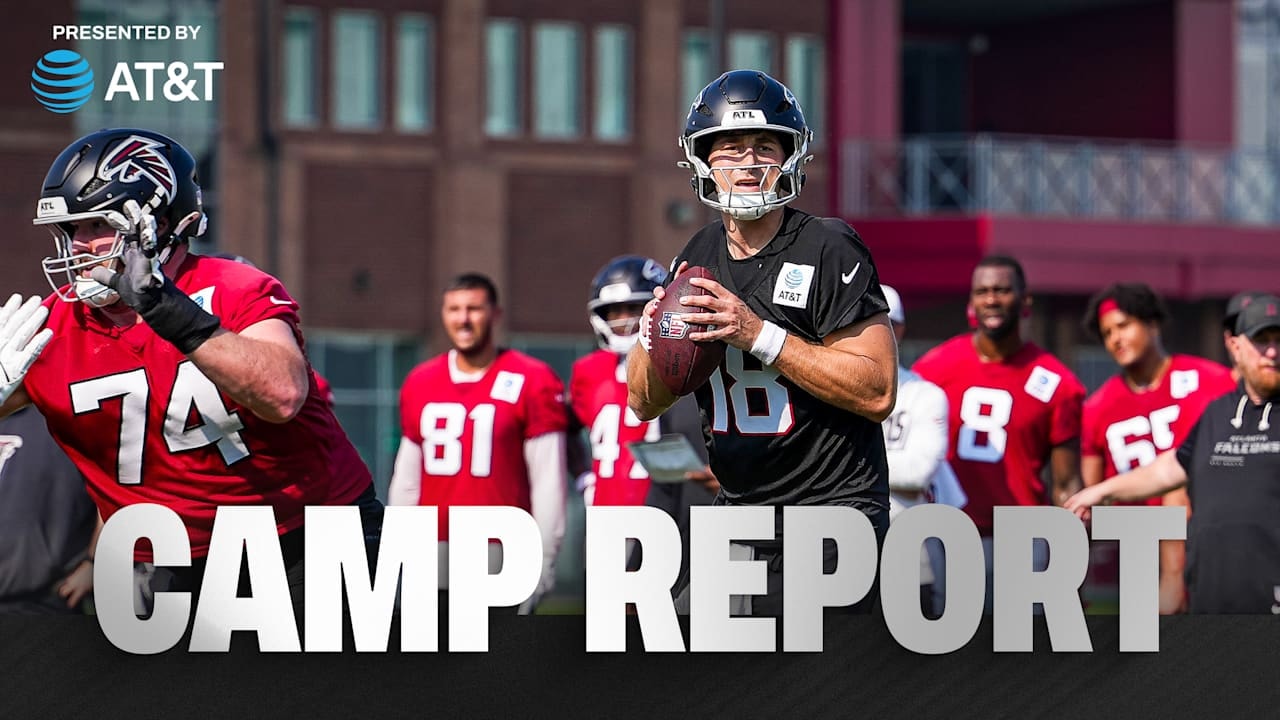
The Atlanta Falcons’ second day of AT&T Training Camp, at Flowery Branch, gave quarterback Jack Strand a front-row look at why the NFL is often described as the league of adjustments. In the Falcons’ camp report published July 30, Strand’s focus was simple and immediate: learning how unpredictable the day-to-day demands can be when you are the one directing plays from behind center. The team’s notes captured Strand leaning into the experience, treating each practice rep as an opportunity to sharpen decision-making and timing in a setting where routes, protections, and defensive looks are rarely static.
Strand’s enjoyment, according to the Falcons’ report, is tied directly to the role itself. “Behind center” is not just a location in practice, it is a job that requires constant processing and quick communication. For a quarterback at this stage, that means absorbing what the defense presents, recognizing coverage or pressure tendencies in real time, and then transferring that recognition into throws that match the ball placement and rhythm the offense is trying to build.
Camp context matters here. Training camp is where teams attempt to blend fundamentals with intensity, and where quarterback development is measured less by one standout moment and more by repeatable habits. That includes how quickly a quarterback reacts to changes at the line of scrimmage, how confidently he moves through reads, and how consistently he executes the offense when the tempo and spacing tighten as a practice goes on. Strand’s stated takeaway from the second day fits that theme, because learning the NFL’s unpredictability is often the difference between “having an idea” and “running it correctly under pressure.”
The Falcons’ quarterback room, as reflected in the structure of camp coverage, is designed to create opportunities for multiple players to get meaningful work, not just to watch. Strand’s spot in the rotation at practice gives him a chance to experience the speed of the league from the player perspective. Even when the work stays clean and structured, the quarterback position is uniquely exposed to the swing factors of live football: an adjustment on defense, a timing shift across routes, a protection call that has to be delivered precisely, or a subtle pocket change that alters what a throw looks like.
There is also a psychological component to these early camp weeks. Being “behind center” can feel straightforward in film sessions, but practice forces the issue when everything compresses. The Falcons’ report characterizes Strand as enjoying the moment while also recognizing the learning curve that comes with it. For a quarterback, that combination, curiosity plus respect for the complexity of the position, is often what allows a player to make rapid progress without getting rattled by normal camp chaos.
What to watch next in Atlanta is how Strand’s early impressions translate into repeatable execution. The most meaningful indicators will be whether he can maintain the same level of clarity across multiple situations within a practice, how he handles the transition from structured reps to moments that require faster judgment, and whether his communication and decision-making tighten as the camp progresses. In other words, the question is not whether the NFL feels unpredictable, but whether he can respond to that unpredictability with consistent process.
For Falcons fans, the practical takeaway is that quarterback development in training camp is cumulative. The second day’s report does not frame Strand’s learning as a single breakthrough, but as an ongoing adjustment to the pace and volatility of NFL practices. If Strand continues to approach those reps with the mindset described by the team, he should be positioned to build on his “behind center” experience as the preseason workload expands.
Why It Matters
- How quickly quarterbacks adjust to unpredictability in camp can shape their confidence and decision speed as the preseason develops.
- Strand’s experience behind center provides a direct developmental snapshot, not just a background storyline.
- Training camp is where repeatable quarterback process is built, and early habits often carry into later practice segments.
- For the Falcons, the value of this phase is establishing whether a quarterback can execute the offense cleanly even as defensive looks shift.
Key Facts
- The Falcons published a camp report on July 30 from AT&T Training Camp at Flowery Branch.
- The report highlights quarterback Jack Strand and his experience working “behind center” on the second day.
- Strand’s central theme in the team notes is learning how unpredictable the NFL can be.
- The report frames Strand as enjoying the opportunity while focusing on the adjustment required by the position.
- The Falcons’ camp coverage emphasizes quarterback reps and development through repeated practice execution.