
THE APEX TIMES
Fantasy Baseball Notebook: Week 20’s two-start pitching list turns attention to a “red-hot” southpaw
Fred Zinkie opens Week 20 with matchup-based two-start pitcher rankings, framing the week as a prime time to hunt for high-volume starts and a handful of top-tier options.
Fantasy baseball managers looking for pitching stability during Week 20 got a fresh roadmap from Fred Zinkie, who published matchup-focused rankings for two-start pitchers. The central theme is simple: a two-start week can change roster trajectories quickly, because it compresses more usable innings into fewer waiver decisions and lineup tweaks.
Zinkie’s pitch for Week 20 is that this is one of those stretches where the available pitching options are concentrated. In his write-up, he describes the week as “a good week to find a two-start pitcher,” noting that the ranking set includes five quality choices. The list is led by a “red-hot southpaw,” a reference to a left-handed starter whose current form and recent performance have made him stand out in the two-start context.
For managers, the practical value of a two-start ranking is that it shifts the focus from a single start’s opponent to the week’s total opportunity. Instead of relying on one outing to cover categories, a two-start pitcher creates a higher probability of contributing across standard scoring areas, including strikeouts, innings, and strike-related outcomes, while also giving more margin if one matchup is merely average.
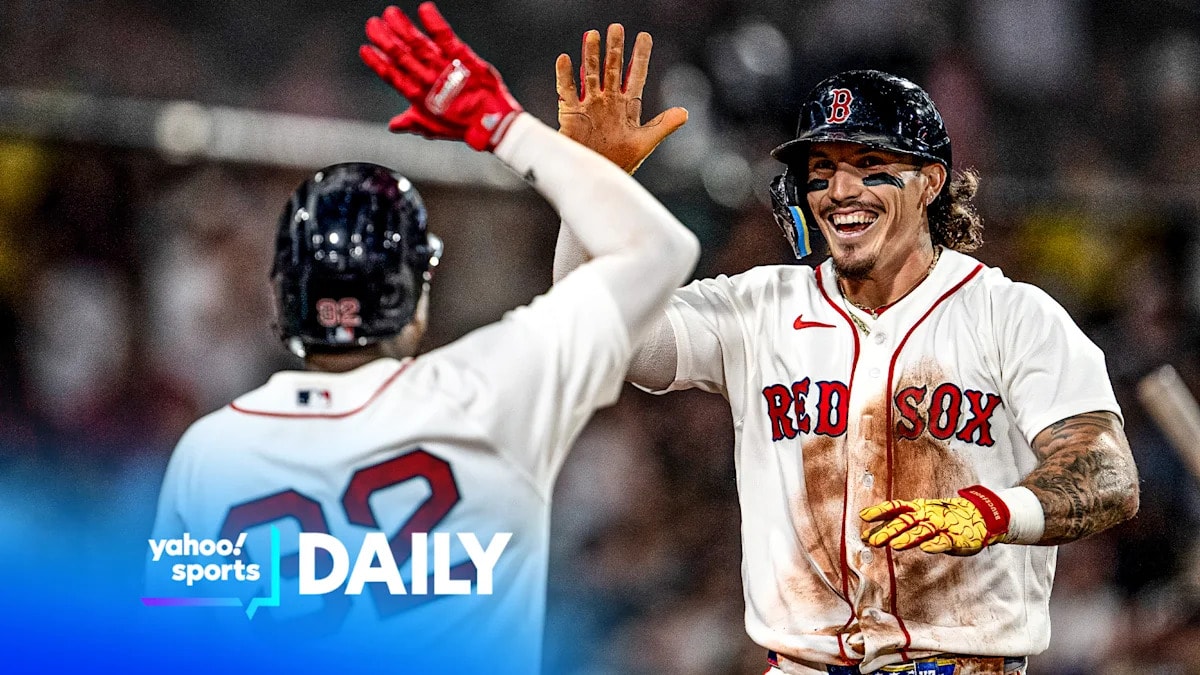
On the hitting side, Zinkie also flagged roster opportunities beyond pitching. His fantasy pitching piece points readers toward additional bats from a team he calls “red-hot,” specifically the Red Sox. The implication for fantasy lineups is that hot streaks and consistent run production can matter just as much as matchup-specific pitching, especially in weeks where starting pitching is limited or where managers want to maximize category coverage.
It is worth noting that matchup-based fantasy rankings are inherently time-sensitive. Even when a pitcher is labeled “red-hot,” fantasy performance can hinge on factors like the quality of the opposing lineups, how a starter’s pitch usage translates to that opposition, and whether a bullpen tends to finish strong or get stretched. Similarly, the “add” suggestion for a hot-hitting team does not guarantee immediate statistical output on a day-to-day basis, because baseball performance can swing quickly.
What to watch next in Week 20 is less about a single name and more about process. Managers who follow two-start rankings should confirm whether the pitching options remain on schedule close to first pitch, because last-minute rest patterns and managerial decisions can alter start availability. They should also compare each two-start pitcher’s expected role and usage against the rest of their roster construction, so the week’s starts complement the categories they are targeting rather than duplicating similar skill sets.
Finally, consider the broader strategy behind these lists as the season moves deeper. Late-season fantasy decisions often reward volume and floor, and two-start weeks provide a built-in chance to harvest both. Zinkie’s framing, that Week 20 offers five quality two-start options with a lead southpaw, suggests the coming slate is designed for opportunistic upgrades, provided managers are willing to align their waiver priorities with the schedule rather than chasing names alone.
Why It Matters
- Two-start weeks can materially alter fantasy value because they increase the chance to accumulate more innings and counting stats in a short window.
- Matchup-based pitching rankings help managers prioritize schedule fit over single-start considerations.
- A top-performing starter can shift weekly category standings, especially for managers fighting for category edges.
- Hot teams can support lineup stability, providing additional at-bats and offensive production during the same week.
- Because fantasy outcomes depend on start availability and matchup context, managers should verify roles and timing before acting.
Sources
Key Facts
- Fred Zinkie published fantasy baseball Week 20 rankings focused on two-start pitcher matchups.
- Zinkie characterized Week 20 as a “good week” to find two-start pitchers.
- The rankings include five quality two-start options.
- Zinkie’s list is led by a red-hot southpaw.
- Zinkie also suggested fantasy managers may want to add additional players from the red-hot Red Sox on the hitting side.