
THE APEX TIMES
Fantasy DST Draft Planning for 2026: Jaguars and Chiefs Stand Out for Early-Season Matchups
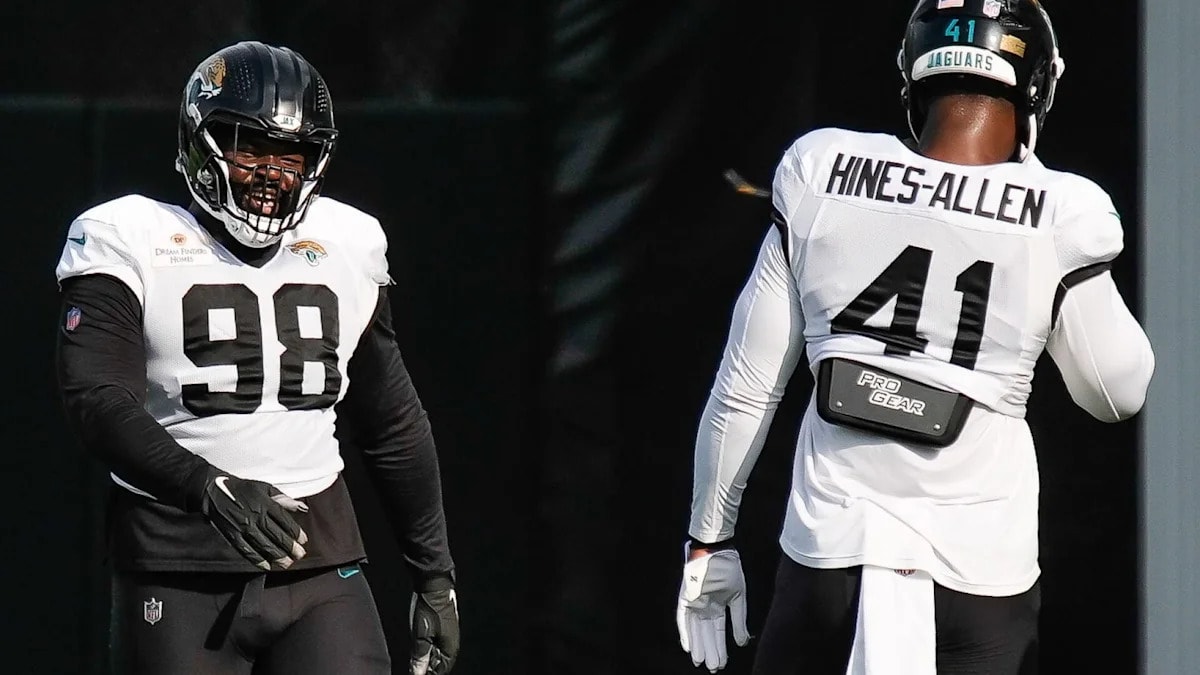
As fantasy football drafts pick up pace, one analyst’s look at 2026 early-season schedules highlights the Jacksonville Jaguars and Kansas City Chiefs as teams that could provide strong defensive tackle production in the first stretch of the season.
Fantasy managers do not just draft defenses, they draft timelines. The best “defense-to-start” options in 2026 are often the units that reach the season with favorable matchups early, when rosters are still settling and weekly planning is most important. In a recent fantasy-focused breakdown, Eric Samulski outlined his approach to selecting defenses based on early schedule strength, breaking out specific teams he believes could be particularly useful in the opening weeks.
The Jaguars and Chiefs drew prominent attention in that early-season scheduling lens. The premise is straightforward: defenses that face a heavier concentration of struggling offenses, volatile quarterbacks, or less reliable offensive line play tend to generate the kinds of fantasy outcomes that matter for DST scoring, such as sacks, interceptions, forced fumbles, and defensive stops. Samulski’s article frames the early calendar as a window where those outcomes are more likely to appear consistently.
Samulski also ties the timing to draft-season behavior. With fantasy draft season accelerating, managers frequently treat preseason team rankings as their starting point, then adjust later based on the matchups they expect to see. This secondary article is essentially a “schedule filter,” built to help fantasy players modify their existing defensive rankings rather than replace them outright.
A key nuance in any DST evaluation is that the position is scoring-inclined but variance-prone. Punt play quality, coverage breakdowns, and quarterback decision-making can turn a defense’s week upside down. That is why schedule-based planning is popular in fantasy, even though it is not a guarantee. Two defenses can face comparable opponents on paper, but the week’s game script, turnovers, and field-position swings can still decide which one produces the biggest fantasy stat line.
For teams like Jacksonville and Kansas City, early matchup optimism can become actionable in draft strategy because DSTs are often scarce in formats where rosters are built with two weeks of planning in mind. If a defense’s early schedule is viewed as favorable, managers may be more willing to draft that unit earlier, or to avoid spending early waiver priority on a defense that is only “good” in name rather than in timing.
There is also a practical calendar element to how schedules translate into fantasy decisions. Early in the year, offenses often look less cohesive, and new or adjusted personnel may still be finding rhythm. That is the kind of environment where pressure can show up quickly in fantasy scoring, and why analysts emphasize the first stretch rather than only the season’s middle.
Still, fantasy defenses are not insulated from team-level changes that can happen between preseason and kickoff week. Coaching adjustments, offensive personnel shifts, and the reality that game scripts can force offensive pass attempts or limit them all affect sack and turnover opportunities. Any schedule-based projection should be treated as a planning tool, not a certainty.
What to watch next for managers taking cues from Samulski’s matchup-oriented view is whether the early-week opponent profiles hold up once all preseason form becomes regular-season reality. If Jacksonville’s and Kansas City’s early opponents play with the same degree of turnover risk and inefficiency suggested by preseason expectations, those DSTs become more attractive building blocks for the season’s start. If not, fantasy managers may need to pivot quickly based on the first true weeks of data.
What follows is an important distinction between “schedule” and “performance.” Schedules can set the table, but the defense still has to execute. Managers looking at Jaguars and Chiefs as early-cycle targets should pair matchup optimism with basic team indicators (pass rush continuity, turnover tendencies, and defensive coverage stability), then re-evaluate after the opening weeks to confirm that the early schedule advantage is translating into fantasy scoring.
Why It Matters
- DST value in fantasy is often time-sensitive, making early-season matchup evaluation a practical draft-planning method.
- If the Jaguars and Chiefs’ early opponents align with expectations, those teams could provide more weekly reliability than late-season-only projections.
- Schedule-based DST drafting can reduce the need for early-waiver churn, especially in leagues where defensive starters are a persistent scoring lever.
- High-variance outcomes (turnovers and game scripts) mean schedule optimism still needs to be validated by early-week performance.
Sources
Key Facts
- Eric Samulski published a fantasy football DST-focused article built around early-season schedule matchups.
- The article specifically highlights the Jacksonville Jaguars as a possible early-season DST target.
- The article also highlights the Kansas City Chiefs as a possible early-season DST target.
- The approach is meant to help fantasy managers adjust pre-season DST rankings based on schedule timing.
- The central fantasy concept is that defenses can score heavily when matchups create opportunities for sacks, turnovers, and defensive stops.