
THE APEX TIMES
Fantasy Football ADP is moving again, and the changes can reshape draft rooms
As fantasy managers head toward peak draft season, Yahoo Sports highlights notable Average Draft Position swings and what they mean for consensus roster building.
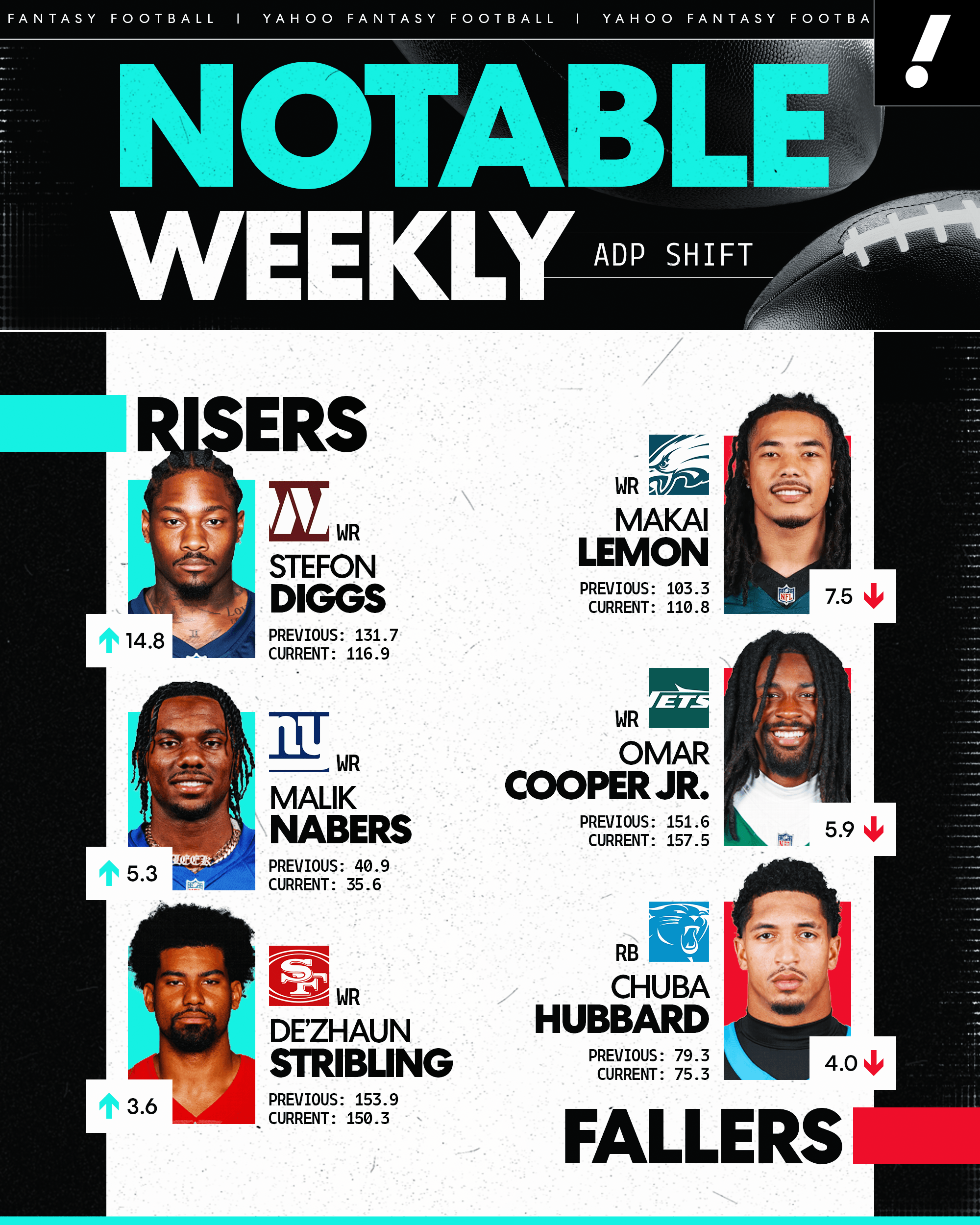
Fantasy football drafts are increasingly run by data, and Average Draft Position, or ADP, has become one of the most influential inputs. On August 11, Yahoo Sports published a roundup of notable ADP risers and fallers, framing the week-to-week movement as a way to see where fantasy consensus is changing ahead of the season.
The central point of the ADP exercise is simple: ADP is the average position a player is selected at across a large set of drafts. Because those drafts often happen on the same platforms and at similar times, ADP can act like a public scoreboard for sentiment. Yahoo’s column emphasizes that modern online drafting effectively bakes in that consensus, steering when managers choose players and, in turn, how many teams are forced to chase targets later.
In practice, ADP movement tends to cluster around a few types of news and belief shifts, even when the underlying football story is still developing. When a player rises in ADP, it usually reflects growing confidence in opportunity, role certainty, or efficiency expectations. When a player falls, it often indicates that managers are discounting that same future value, whether due to crowded depth charts, risk around touches, or revised assumptions about how production will be generated.
The August 11 snapshot matters because it arrives during the stretch when many fantasy managers finalize their draft strategy. If multiple players rise into a higher tier, it can compress the player pools for specific positions and force roster construction tradeoffs. For example, the knock-on effect of a riser is not only that the player costs more draft capital, but that the players behind him become more attainable at earlier turns, altering the “who is left” math for managers drafting near the same slot range.
Just as important, ADP drops can uncover bargains, but they also increase volatility. When a player falls, it can mean that risk has increased, but it can also mean that managers are simply late to reprice the player’s upside. In either case, the ADP change is a reminder that fantasy drafts are consensus-driven until they aren’t, and small shifts can turn into large differences by the middle rounds.
There is a caveat with any ADP-based story: it is not a guarantee of real-world outcomes, and it can lag or overreact to late-breaking information. ADP is a snapshot of what thousands of fantasy drafters are doing, not a measure of football certainty. Still, as Yahoo’s roundup suggests, tracking the movement can help managers identify when the market is collectively moving their assumptions, even before training camp storylines fully settle.
Why It Matters
- ADP swings can change draft-round availability for skill positions, affecting roster construction.
- A rising player often pulls draft capital upward, while a faller can open earlier access to other options.
- Consensus shifts can occur before the underlying football picture fully resolves, increasing the importance of staying aware of market pricing.
Key Facts
- Yahoo Sports published an August 11 fantasy football column focused on notable Average Draft Position risers and fallers.
- The column explains that ADP is widely used in online drafts and functions as a consensus roadmap for fantasy managers.
- ADP movement can influence not only player value but also when managers are able to select certain roster types.
- The focus of the piece is on where draft stock is changing, rather than on season results.