
THE APEX TIMES
Federal judge orders Kennedy Center to keep removing President Trump’s name, DOJ freeze extended on $1.8B “anti-weaponization” fund, and DOJ clears Paramount-Warner deal
A federal court directed the Kennedy Center to meet a Friday deadline for removing President Donald Trump’s name. In other federal matters, a judge extended a block on the Justice Department’s proposed $1.8 billion “anti-weaponization” fund, and the DOJ signed off on Paramount’s $110 billion bid for Warner Bros.
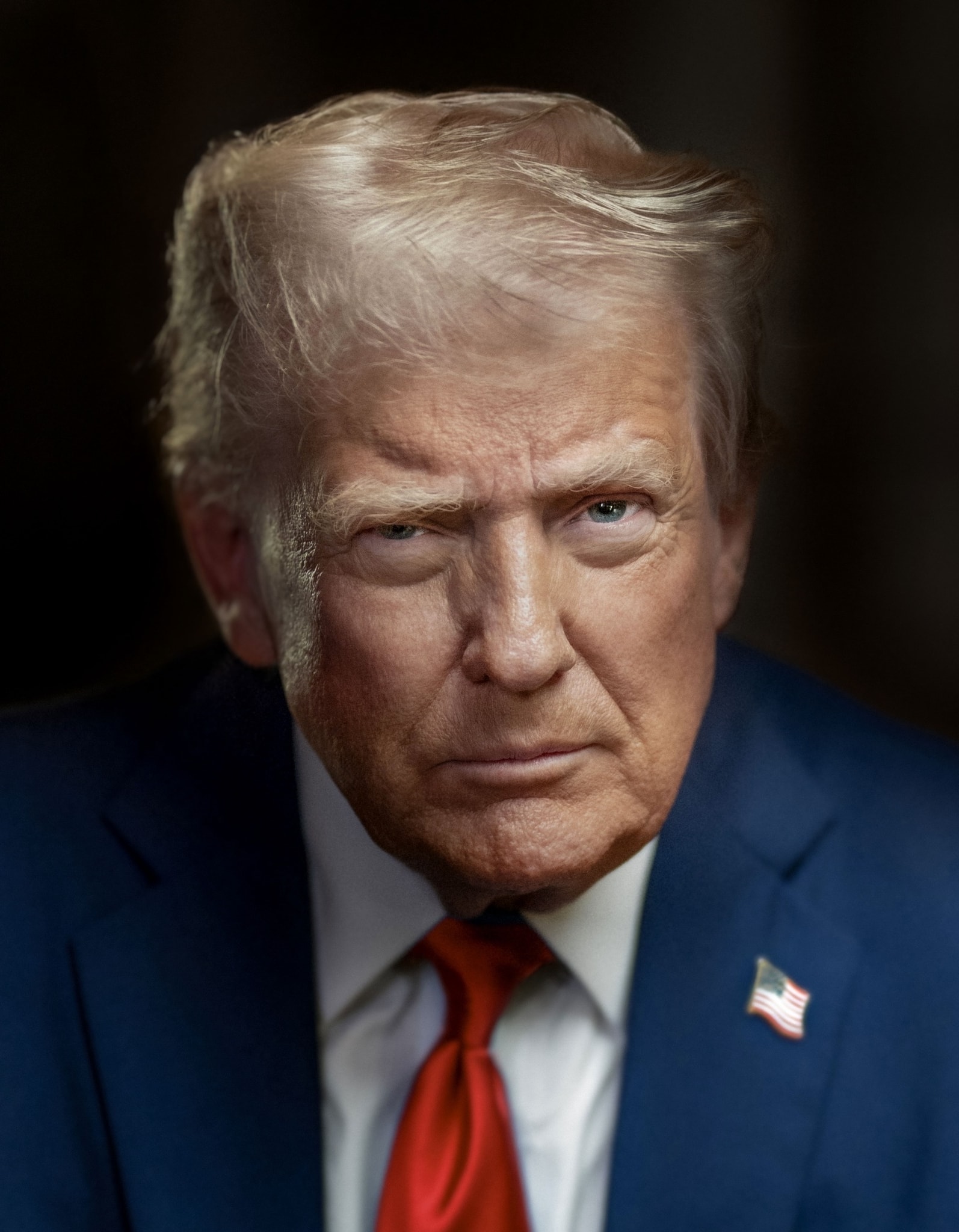
A federal judge in Washington, D.C. told the John F. Kennedy Center for the Performing Arts to continue its court-ordered steps to remove President Donald Trump’s name from the institution, with a Friday deadline for additional action, according to PBS NewsHour. The order follows ongoing litigation over the removal requirement, and the judge’s directive places near-term compliance at the center of the case’s next stage.
In a separate case involving federal funding, a judge extended a block on the Justice Department’s proposed $1.8 billion “anti-weaponization” fund, according to PBS NewsHour. The extension keeps the plan from being implemented while the court considers the legal challenges to how the money would be used or authorized.
The Justice Department also took action in a business matter tied to the entertainment industry. PBS NewsHour reported that the DOJ signed off on Paramount’s $110 billion bid for Warner Bros., a step that would allow the transaction to proceed under the terms of the government’s approval process, subject to any other remaining conditions.
Taken together, the developments highlight how federal courts and agencies continue to shape both institutional compliance and federal spending authorities, while also reviewing major corporate transactions with national regulatory implications.
The Kennedy Center matter raises federal questions about how and when public institutions must alter branding or commemorations after a court order, and it turns on deadlines set by the court. The practical effect of the Friday requirement is immediate operational pressure on the institution’s compliance work, including updating public-facing materials and signage.
The extended pause on the Justice Department’s “anti-weaponization” fund keeps at least part of the government’s spending plan out of the implementation phase. Such funding disputes often turn on whether the planned use fits within statutory authority and due process for affected decisions, and court stays typically delay deployment until litigation is resolved.
In the merger review, the DOJ’s sign-off described by PBS NewsHour underscores that competition and national-interest assessments can move forward even as other Justice Department actions face separate judicial scrutiny. Additional steps in the corporate process would depend on the transaction’s remaining approvals and any further legal challenges.
Why It Matters
- The Friday deadline in the Kennedy Center case creates a near-term compliance obligation for a major national institution and can affect how the public sees the institution’s branding during ongoing litigation.
- The extended funding freeze keeps the “anti-weaponization” plan from moving forward while the court maintains judicial review, affecting timing and implementation of that portion of DOJ spending.
- DOJ approval of a large merger can materially affect corporate control and competition, even as DOJ-related plans elsewhere face separate legal challenges.
- The set of actions illustrates how federal courts can directly control agency implementation timelines through stays and how DOJ actions can proceed through regulatory review in other domains.
Sources
Key Facts
- A federal judge directed the Kennedy Center to continue court-ordered removal of President Donald Trump’s name, with a Friday deadline, according to PBS NewsHour.
- A judge extended a block on the Justice Department’s proposed $1.8 billion “anti-weaponization” fund, according to PBS NewsHour.
- The DOJ signed off on Paramount’s $110 billion bid for Warner Bros., according to PBS NewsHour.
- The reporting describes separate federal actions involving court orders, federal funding authority, and merger review.