
THE APEX TIMES
Felix Bautista starts rehab stint with Double-A Chesapeake after shoulder surgery
The Orioles right-hander began his minor league return plan, throwing 22 pitches in a first rehab appearance that featured sharp velocity but some command issues.
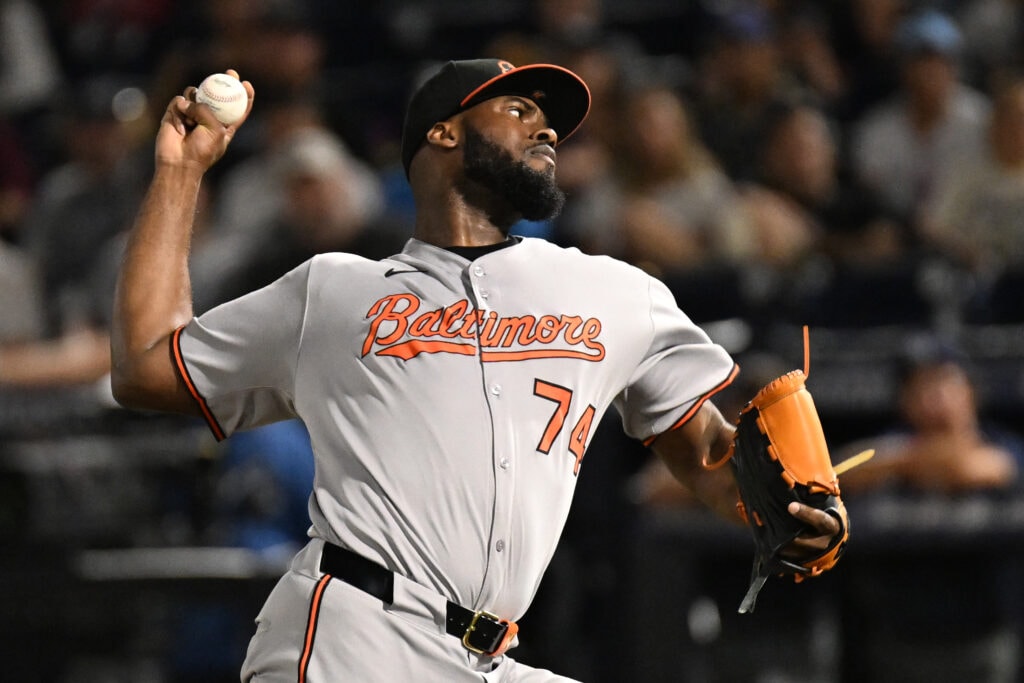
Felix Bautista is back on the mound for the first time in his minor league rehab assignment, and the early read is straightforward: the stuff is there, the workload is controlled, and the command is still catching up. In his first game, the Orioles closer threw 22 pitches for Double-A Chesapeake, Baltimore-area media reported through the early outing.
According to the report, Bautista faced five batters in his rehab debut and retired just one. He allowed a hit and issued three walks. Even with those results, the outing functioned as a typical early step in a return plan, designed to get his arm back into live-game rhythm rather than to produce a perfect line.
Velocity was a key takeaway from the first outing. The report said Bautista averaged 95.1 mph on his fastball and touched 97 mph with one pitch. That range matters for an Orioles bullpen that has leaned on the conviction of its late-inning pitching, because Bautista’s role depends on both pitch quality and the ability to attack hitters with his hard velocity.
Bautista’s return path follows shoulder surgery that kept him out for a significant stretch, with the MLB Trade Rumors preview describing the rehab as beginning roughly a year after the procedure. For pitchers coming back from shoulder work, teams generally emphasize gradual exposure to the intensity of competition, monitoring how the arm responds across pitch counts, innings of effort, and follow-up sessions in the days after a start or appearance.
The location and level of the rehab also matters in how fans and team personnel interpret progress. A Double-A rehab assignment is typically intended to simulate game planning and pressure, including the need to execute multiple pitch sequences against hitters who see live scouting views and game-day strategy. If Bautista can reduce free passes and increase the number of batters retired in subsequent appearances, it would suggest his command is returning in step with his velocity.
For Baltimore, the stakes are largely defined by how quickly and how cleanly the team can reshape its bullpen late in the season. Bautista’s role as a closer means he is most valuable when he is healthy enough to handle the highest-leverage moments. The immediate question is not whether he can dominate a first rehab game, but whether the velocity holds and the walks shrink as the assignment progresses.
What to watch next is the pattern: whether Bautista’s pitch count increases, whether he improves his strike-throwing in later outings, and whether he can translate his fastball effectiveness into more outs over the rehab sequence. Each appearance should provide the Orioles and their training staff with additional information on stamina and mechanics, which is especially important after shoulder surgery.
Why It Matters
- A successful rehab sequence would restore a late-inning bullpen weapon whose effectiveness relies on velocity and command.
- The early margin between outs and free passes is a key indicator for how quickly Bautista’s command is returning after shoulder surgery.
- Progression through the rehab plan can influence how the Orioles manage bullpen usage in high-leverage situations.
Key Facts
- Felix Bautista began a minor league rehab assignment with Double-A Chesapeake.
- In the first rehab game, Bautista threw 22 pitches.
- He allowed one hit and three walks while retiring one of five batters faced.
- The report said Bautista averaged 95.1 mph on his fastball and touched 97 mph with one pitch.
- The rehab is described as a return following shoulder surgery about a year earlier.