
THE APEX TIMES
Finebaum questions whether Oklahoma is “dumbing down” expectations after Venables extension
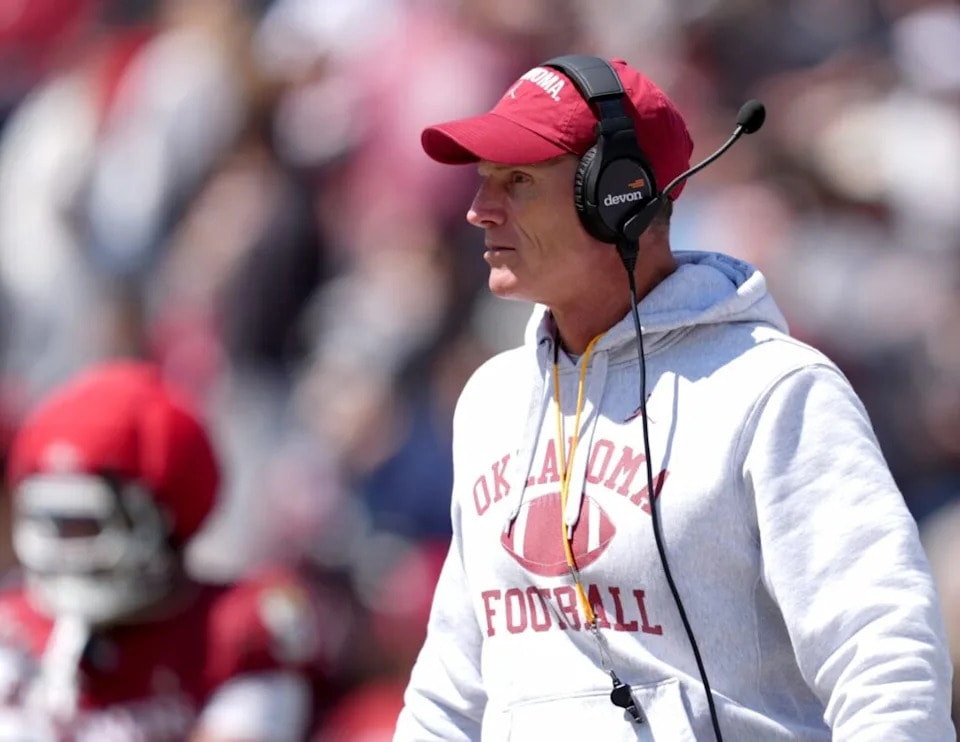
After Oklahoma extended head coach Brent Venables through 2032, ESPN analyst Paul Finebaum raised doubts about what the Sooners are aiming for, as the College Football Playoff’s next format continues to shift the landscape.
Oklahoma’s decision to extend Brent Venables through 2032 has sparked a new round of debate about standards in college football, with ESPN analyst Paul Finebaum asking whether the program is lowering its expectations. The Sooners are still one of the sport’s most scrutinized brands, and the move comes at a time when the College Football Playoff is again at the center of national conversations about expansion and who gets a realistic path back into the title chase.
Finebaum’s critique is less about whether Venables can build a consistent winner and more about what Oklahoma wants that consistency to look like. As described in the discussion, he questioned whether the extension indicates a championship-level mandate or a more modest definition of success. In a sport where job security increasingly follows measurable outcomes, the optics of a long extension can become its own argument about urgency, ceiling, and how quickly fan and institutional expectations are meant to bend or hold.
That question lands in a broader postseason context. The College Football Playoff remains in an expanding debate that many people in the sport expect to move from discussion into implementation sooner rather than later. When postseason structure changes, it typically reshapes coaching priorities, roster-building strategies, and how much margin for error a program believes it can tolerate in the regular season.
For 2026, the immediate framework being discussed centers on the idea of 12 teams seeking to reclaim a stake in the College Football Playoff. That matters because even teams outside the traditional elite tier may now view the tournament as more reachable, which can alter recruiting pitches, transfer decisions, and how aggressively programs schedule and develop to peak in the weeks that matter. It can also raise the stakes for programs that once believed the playoff door would open only for a smaller group of champions.
Oklahoma’s situation sits right at that intersection. The Sooners have the institutional resources and recruiting reach that historically supported “title or bust” conversations, yet the modern college football environment rewards sustained competitiveness and smart talent management, not just one dominant season. A long extension, particularly one that reaches far into the future, can be interpreted in multiple ways: as confidence in a rebuild, as patience for long-term identity, or as a statement that the standard is not simply immediate championships but a durable program trajectory.
Finebaum’s remarks highlight how that ambiguity can collide with the way the public measures programs. For a marquee school, any shift away from a championship standard is likely to be framed as lowering expectations, even if the on-field goal remains excellence. The fact that this debate arrives while playoff expansion feels increasingly imminent suggests the Sooners may be trying to plan for a different competitive math equation than the one that governed the sport just a few years ago.
What to watch next is how Oklahoma’s season process aligns with the demand implied by its brand and the reality implied by playoff expansion. Even without changing the coach’s role or authority, the program’s approach to consistency, game management, and recruiting emphasis will be treated as evidence of what the school believes its standard is. If the Sooners remain firmly in contention for postseason positioning while demonstrating a clear developmental identity, the extension will look like stability. If not, the same decision will look like a missed opportunity, and Finebaum’s question will likely return each time Oklahoma is evaluated against the sport’s title-level benchmarks.
Why It Matters
- A long coaching extension can be interpreted as a report about program standards, affecting how fans and recruits judge short-term results.
- If playoff access expands, programs may view more seasons as “in the tournament picture,” changing how performance is evaluated in August and September.
- Oklahoma, as a high-expectation brand, becomes a focal point for national arguments about whether championship-level expectations are still the baseline.
- How the Sooners respond on the field to the shifting playoff landscape will likely determine how supporters and critics frame Venables’s tenure.
Key Facts
- Oklahoma extended head coach Brent Venables through 2032, according to the reported discussion.
- ESPN analyst Paul Finebaum questioned whether the extension suggests Oklahoma has lowered its expectations.
- Finebaum’s comments were framed around what level of results the Sooners should be demanding.
- The College Football Playoff’s next format and potential expansion remain an active national debate.
- The discussion referenced 12 teams seeking to reclaim a College Football Playoff stake in 2026.