
THE APEX TIMES
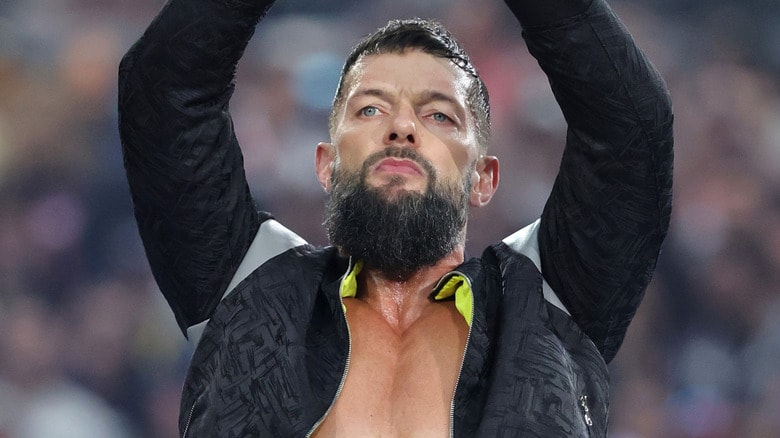
Finn Bálor and Becky Lynch point to WWE peers they believe could succeed in UFC
In a conversation shaped by the long, two-way pipeline between pro wrestling and mixed martial arts, Finn Bálor and Becky Lynch offered their picks for WWE talent they think would translate to the cage.
Finn Bálor and Becky Lynch, both major stars in WWE, publicly named which fellow performers they believe could find success in the UFC if they were given the opportunity. The comments land at a time when the relationship between mixed martial arts and professional wrestling continues to be a familiar storyline, not just for fans who follow both sports but for the athletes themselves, who increasingly see crossover as a realistic career path rather than a novelty.
The connection between the two combat worlds has been visible for years, and the article ties that history to specific examples. It notes that several MMA fighters, including Shayna Baszler and Lola Vice, have made the shift into full-time wrestling careers, showing that skills developed under MMA rules can carry over into a different kind of performance and competition.
Bálor and Lynch’s framing also includes the reverse direction, pointing to high-profile cases where established wrestlers moved into MMA. The piece cites Brock Lesnar and Bobby Lashley as examples of WWE performers who stepped into the cage, underscoring that the crossover works both ways, even if it is still rare enough to be notable when it happens.
While the article is centered on opinions, it also reflects the broader reality that the UFC and WWE often attract the same kind of athlete. Both spaces reward athleticism, striking instincts, grappling awareness, and an ability to handle pressure, even though the rules, scoring, and end goals differ dramatically between a timed wrestling match and an MMA bout that can end by knockout, submission, or referee stoppage.
For fans, the more practical question is what these endorsements suggest about the skill sets Bálor and Lynch value. Pro wrestling relies on timing, conditioning, and controlled contact, but UFC competition demands a particular kind of improvisation and risk tolerance once the fight becomes truly unpredictable. By identifying WWE peers they think would succeed, Bálor and Lynch are implicitly weighing which athletes could adapt their physical tools to a more chaotic environment.
The comments also add to the ongoing debate about where “real” crossover fits in modern combat sports careers. Even in cases where athletes transition between the two, the decision typically depends on far more than charisma or popularity, it includes training background, willingness to restart development under MMA rules, and how quickly someone can learn to win with actual fight outcomes rather than scripted results.
If Bálor and Lynch’s selections end up resonating with fans, they may also influence how other WWE stars and their camps think about MMA in the future. The next thing to watch is whether the UFC landscape sees more direct collaboration or recruitment conversations involving WWE talent, or whether this remains mainly an opinion-driven “what if” conversation that highlights the sport’s shared athletic DNA without creating immediate change.
Why It Matters
- Crossover talk keeps attention on how combat-sport skills can translate across very different rule sets and competitive goals.
- By spotlighting specific WWE talent as potential UFC candidates, Bálor and Lynch contribute to the scouting conversation fans follow when athletes discuss alternate career paths.
- The UFC-WWE relationship remains a steady part of both brand narratives, helping shape public expectations about which athletes are “ready” for a cage-style challenge.
- Even when no transition is imminent, such comments can affect how athletes and trainers assess each other’s backgrounds and training priorities.
Sources
Key Facts
- Finn Bálor and Becky Lynch named WWE peers they believe would succeed in the UFC if given an opportunity.
- The discussion highlights a long-running crossover between professional wrestling and mixed martial arts.
- The piece cites Shayna Baszler and Lola Vice as MMA-to-wrestling examples that moved into full-time WWE roles.
- It also references Matt Riddle as another MMA-to-wrestling crossover mentioned in the context.
- On the reverse side, the article points to Brock Lesnar and Bobby Lashley as former wrestling performers who moved from WWE into MMA.
- The story is presented as commentary on potential fit rather than reporting a confirmed transition plan by any specific wrestler.