
THE APEX TIMES
Florida State’s 2026 stretch, plus other marquee dates, spotlight the coaching hot seat calculus
With Dave Aranda, Mike Norvell and Luke Fickell each tied to a pivotal 2026 test, the coming slate is framed as the difference between job security and the next stop on college football’s early-season coaching carousel.
Coaching hot seats in college football rarely hinge on a single outcome, but the early 2026 calendar is being treated that way by many observers. In a preview focused on the “difference between hot seat coaches keeping jobs or being fired,” CBS Sports points to three prominent head coaches, Dave Aranda, Mike Norvell and Luke Fickell, and argues that particular 2026 matchups could become decisive pressure points.
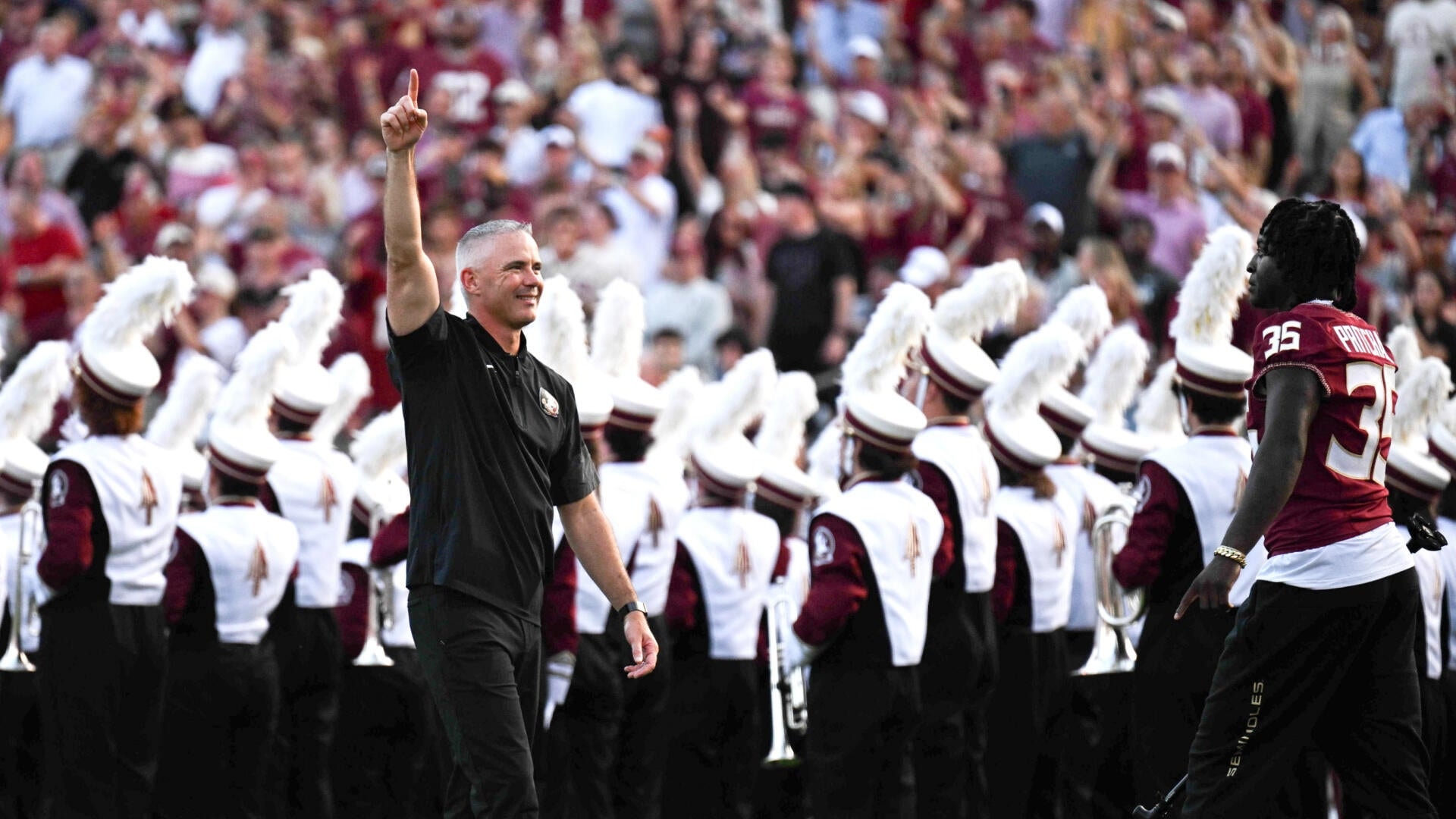
The most directly specified storyline centers on Mike Norvell’s Florida State program and the kind of opponent Florida State draws, with CBS singling out a matchup against SMU as part of a larger cluster of dates that could define how the season feels from the start. For Norvell, the framing is not just about winning. It is about whether the results align quickly enough to prevent the program from drifting into the kind of slow-burn disappointment that leads to staff evaluations before a full rebuild cycle can stabilize.
CBS also places Dave Aranda and Luke Fickell in the same category of “keeping jobs or becoming the latest early casualties,” treating their 2026 schedules as more than routine competitive opportunities. The underlying logic, as presented, is that elite-level recruiting, player development, and in-game execution are increasingly judged through the lens of short-term outcomes. In other words, teams are expected to show immediate traction, especially when high expectations are already part of the public conversation around a head coach.
For Aranda and Fickell, the key takeaway is the same even without any single game being isolated in the provided summary: the early schedule can determine whether fan and administrative patience holds. When a coaching staff’s margin for error shrinks, the first meaningful sequence of games can shift from “building” to “prove it,” and that shift changes how every week is interpreted internally and externally.
It is also worth noting what this type of preview is, and what it is not. A coaching hot-seat preview is inherently speculative, based on how programs historically respond to performance rather than on any confirmed institutional decision. Even if a matchup becomes a focal point, the eventual outcome typically depends on a broader set of factors, including consistency, recruiting momentum, and how the team performs across multiple games, not only one dated “turning point.”
As 2026 approaches, the practical question becomes straightforward. Which of these coaches’ critical early tests will produce the kind of result that closes the debate quickly, and which will open it? Fans should watch not only the final outcomes, but also whether the teams demonstrate repeatable identity, especially in close-game situations and in how they respond to adversity. Those are the moments that tend to influence what administrators conclude when they decide whether a staff has progressed enough to continue.
Why It Matters
- Early-season results can change how a program measures progress, affecting staffing decisions before a full year of evaluation.
- High-visibility matchups influence recruiting perception by shaping how recruits view program trajectory and stability.
- Coaching carousel pressure can affect roster usage and development emphasis, particularly around quarterback play, line play, and late-game execution.
Key Facts
- CBS Sports framed 2026 matchups as the potential difference between coaching job security and early-season dismissals.
- The preview named head coaches Dave Aranda, Mike Norvell and Luke Fickell in the context of pivotal 2026 games.
- The Florida State storyline included a highlighted matchup against SMU as part of Norvell’s critical 2026 sequence.