
THE APEX TIMES
Former Columbus Blue Jackets Defenseman Still Waiting in the Unrestricted Free-Agent Market
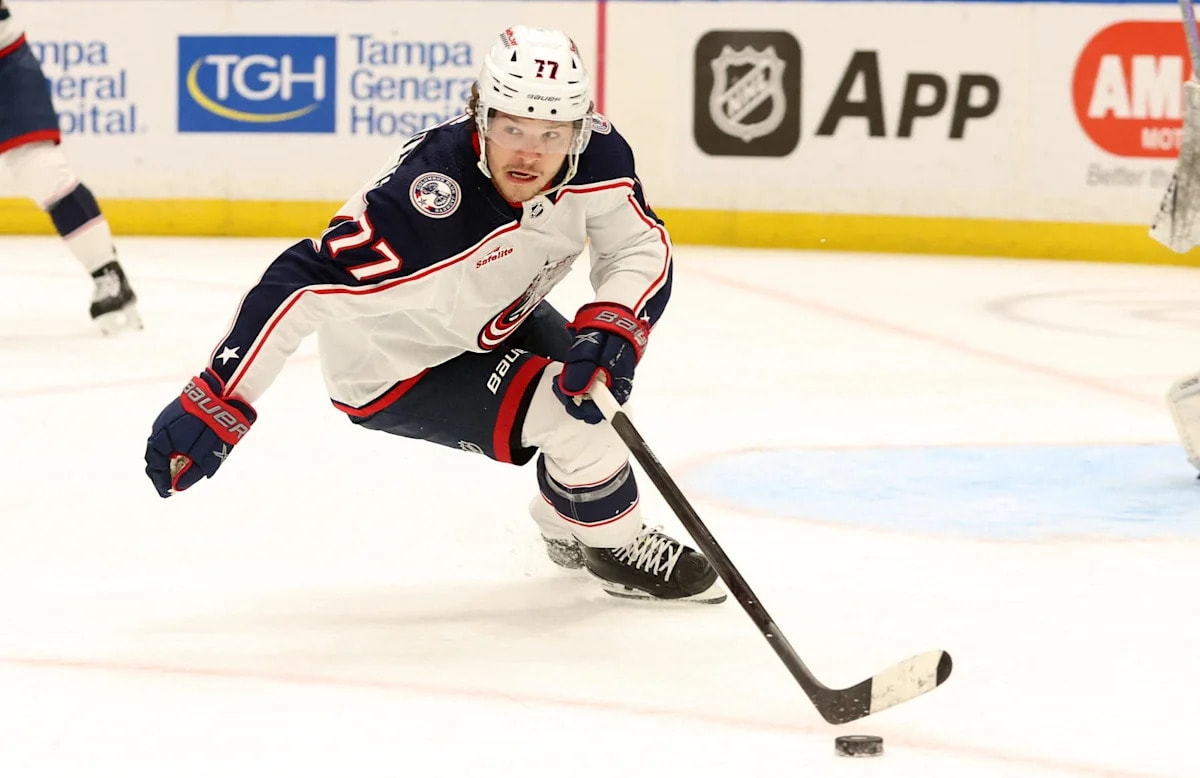
A former Blue Jackets defenseman remains one of the more intriguing options available among the NHL’s unrestricted free agents, underscoring how teams are still calibrating the final pieces of their defensive depth.
The NHL free-agent market is still moving, but one notable holdover from the Columbus Blue Jackets’ recent defensive group is still without a new contract. In a report published Aug. 18, Yahoo Sports highlighted a former Blue Jackets blueliner as a top remaining unrestricted free agent, keeping attention on how much leverage and fit matter when the market thins out. What makes a “best remaining UFA” framing different from routine offseason chatter is that it suggests more than simply availability. When teams are deep into roster construction, the remaining unsigned players typically fall into a smaller bucket: they can be good enough to help, but may be waiting for the right role, price, or system fit. For the teams still shopping on defense, that can mean searching for a specialist (a steadying defender, a puck-mover, a penalty-kill presence) rather than a generalist who does everything at an average level. The report’s broader context is that unrestricted free agents are not universally being scooped up at the same pace. Yahoo Sports noted that a “good amount” of UFAs were still looking for next contracts at the time of publication. That matters because it shapes the decision-making horizon for front offices. If the available pool is larger, teams can wait longer to avoid overpaying for a specific need. If the pool is smaller, they may have to make uncomfortable compromises to close gaps. Columbus’ connection is also significant, even without additional contract specifics. Players who have played in that organization’s structure carry experience with a particular style of defense, including how they manage pace, positioning, and zone exits. For a contender or a playoff-caliber team, that can translate into quicker assimilation, especially for a player whose game is built around defensive reads and decision-making rather than raw offensive volatility. At the same time, a player’s time on the market can reflect more than their talent. Salary structure and lineup role are central, particularly for defensemen who may be seeking either increased responsibility or protection against being used in a reduced capacity. Teams that already have a fixed top-four shape can be more selective about what they add, prioritizing compatibility with their defensive pairing logic, even if another club might value similar skills differently. The “left” part of the headline also points to timing, which is often the quiet driver of free-agent outcomes. Even when a player’s market value is known, the actual signing can depend on when teams finalize budgets, trade availability, and internal promotions. Defensemen, in particular, are frequently targeted in waves as teams gauge training-camp plans and how many roster spots they will need to reserve for late offseason additions. For now, the most direct takeaway is that a former Blue Jackets defenseman remains available and is being treated as one of the more worthwhile defensive options among the remaining unrestricted group. The next question, and one to watch closely, is whether he is viewed as a top-of-the-depth-chart signing or as a depth-and-structure piece who can stabilize matchups once games tighten in intensity. As the August window continues, watch for signs of where the market is converging. If teams begin to move more quickly on unsigned defenders, it can tighten the gap between “available” and “signed.” If not, the situation could shift into late-summer bargain hunting, where teams lean toward value and immediate fit over headline talent. Either way, this remaining free-agent storyline is a reminder that NHL roster building often comes down to timing as much as evaluation.
keyFacts: [
,
Why It Matters
- A remaining unsigned former Blue Jackets defenseman being singled out suggests the late-stage UFA market is still providing teams meaningful defensive options.
- How quickly teams fill remaining blueline roles can influence defensive depth and pairing stability heading into the season.
- A longer market window often increases the importance of role, system fit, and salary structure over pure on-ice ability.
- Late-summer defensive signings can affect training camp competition and which players secure opening-night minutes.
Sources
Key Facts
- Source: Yahoo Sports
- Topic: nhl