
THE APEX TIMES
Former Duke Basketball Player Reverses Decision, Returns to Missouri
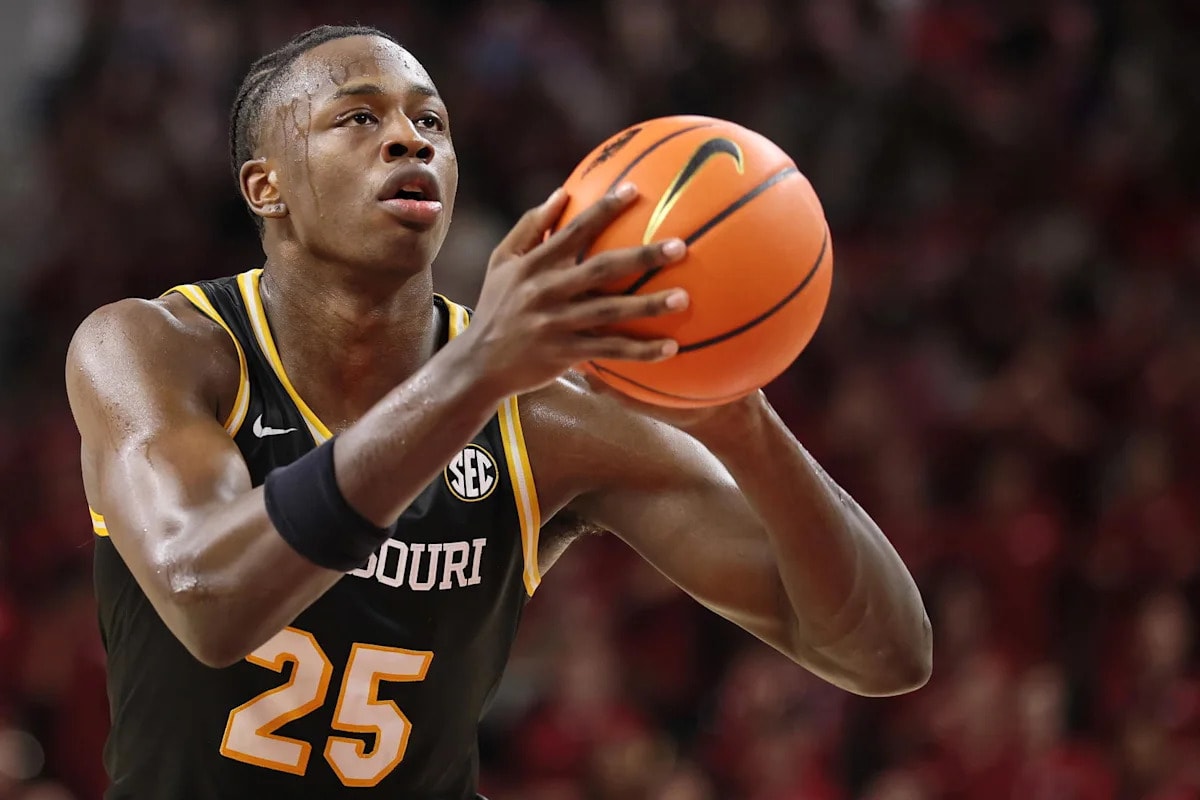
A former Duke standout is reportedly changing course again, indicating a transfer return to Missouri as college basketball continues to navigate rapidly shifting eligibility expectations.
A former Duke basketball player is reversing course and heading back to Missouri, according to Yahoo Sports on August 31. The move is another example of how quickly roster plans can change in college basketball, especially for players still sorting out where they can fit competitively while maximizing eligibility and playing opportunities.
The player’s original plan and the specific timing of the reversal were not detailed in the limited report header, but the central point is clear: the decision that briefly appeared to take him away from Missouri is being reevaluated. Yahoo characterized the situation as a “complicated” moment for college athletics, pointing to the impact of the current transfer landscape and eligibility constraints that have become part of the modern planning cycle.
Over the past several years, the rules around transfers have evolved in ways that can directly affect a student-athlete’s timeline. In particular, Yahoo referenced what fans often call the “five-for-five” framework, a shorthand connected to how many seasons of eligibility and eligibility windows can be navigated when a player changes schools. While the exact mechanics can be case-specific, the broad takeaway is that eligibility is no longer simply a matter of sitting out or playing right away. It has become a planning problem that coaches and players address as an integrated piece of recruitment.
For Missouri, the reported return matters because it suggests the program is continuing to pursue continuity and usable minutes as the roster is shaped for the upcoming season. For Duke, the report reflects the reality that even a storied program can see departures as players seek the best path for development and role fit. In both directions, the transfer market can work like a revolving door, but each change still has ripple effects across depth charts, rotations, and scholarship strategy.
The reported flip also underscores how the transfer process is now as much about sequencing as it is about location. Prospective student-athletes must coordinate academic progress, team needs, and eligibility status, often while coaches are simultaneously working through recruiting evaluations and roster balance. That can lead to decisions being made, tested, and then revised when the eligibility and fit picture becomes clearer.
What comes next will likely be less about speculation and more about confirmation. The most meaningful updates for supporters will be any public announcement from Missouri or additional reporting that clarifies the player’s status as he returns and how the program intends to use him. If eligibility timing is a key factor in the reversal, further details could also help explain why the decision changed when it did.
In the meantime, the storyline remains a microcosm of college basketball’s current era: movement is constant, but the constraints around movement are tighter and more consequential than many fans used to assume. One player’s course correction can shift a roster’s shape, and that in turn can influence how teams plan their early-season identity and rotation stability.
Why It Matters
- Transfer reversals can quickly reshape depth charts and rotation planning for the receiving program.
- Eligibility considerations under current NCAA rules have become central to how and when players commit to schools.
- For marquee programs, departures and re-opened decisions can influence scholarship distribution and recruiting priorities.
- The move may report how Missouri is continuing to refine its roster strategy in response to evolving eligibility realities.
Key Facts
- Yahoo Sports reported that a former Duke basketball player is reversing course and heading back to Missouri.
- The report frames the change as part of a broader complication created by current NCAA eligibility expectations, including the “five-for-five” concept.
- No additional roster specifics, such as position, class, or role, were provided in the information available from the report title and description.
- The story implies the player’s earlier decision will be revisited, affecting planning for both Duke and Missouri.