
THE APEX TIMES
Former Mizzou center among group asking court for chance at a 5th season under NCAA’s “5-in-5” model
Fifteen college basketball players have filed for an injunction to preserve eligibility beyond the NCAA’s new 5-in-5 age-based standard, setting up a near-term test of how the rule will apply to student-athletes who already completed four seasons.
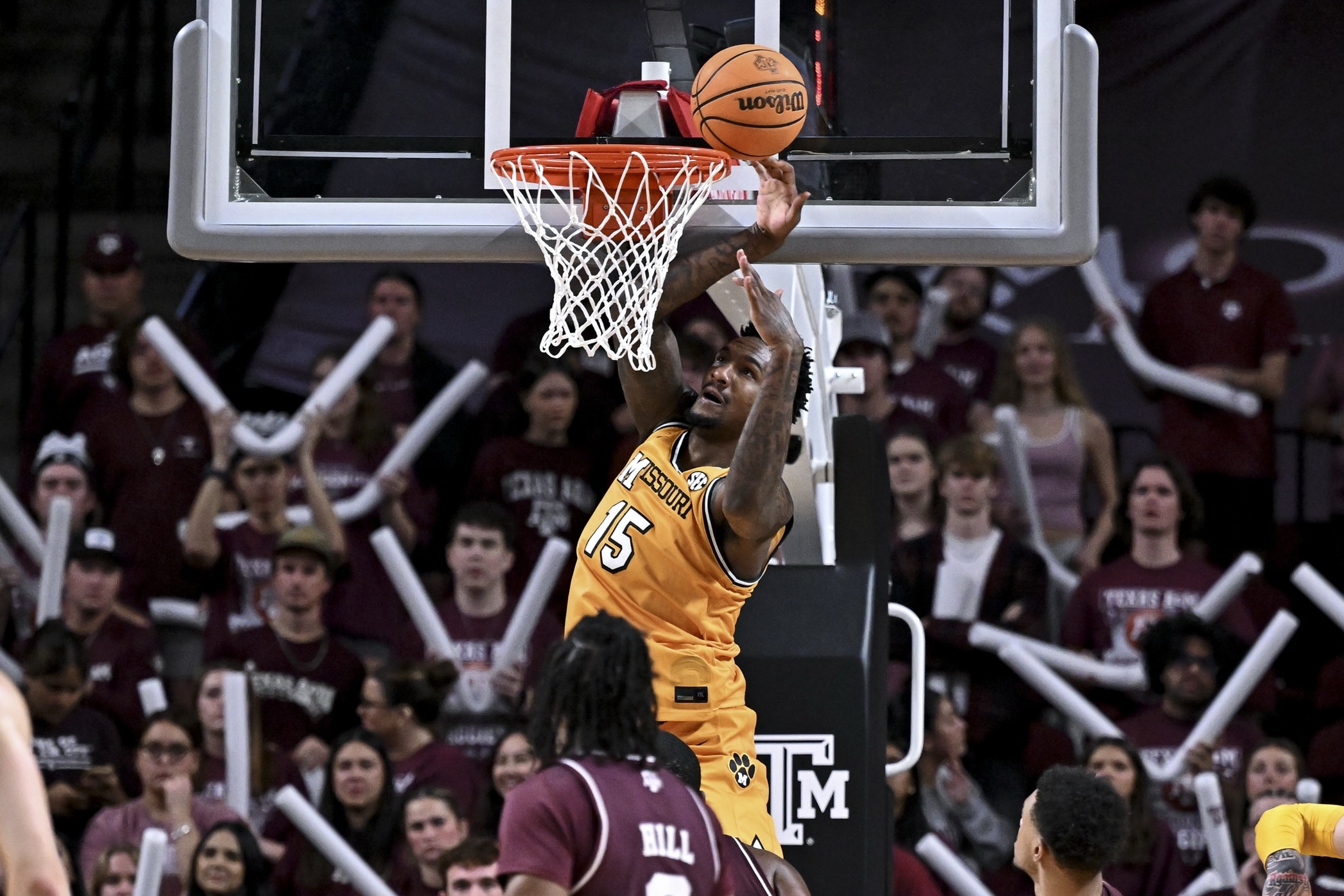
A former Missouri center is among 15 college basketball players seeking court permission to play an additional season under a new NCAA eligibility framework known as the 5-in-5 model. The filing asks for an injunction, meaning the plaintiffs are requesting immediate relief while the dispute proceeds, rather than waiting for the end of the college basketball calendar.
According to the report, the group’s central claim is that the NCAA’s 5-in-5 approach could prevent them from participating in a fifth season even though they have already used four seasons of eligibility in college basketball. The case has been framed around the rule’s age-based limits and the practical effect those limits would have on players whose athletic careers extend beyond the threshold described by the NCAA’s model.
The plaintiffs are also positioned as a cross-section of players, not just one program. The report characterizes the suit as involving 15 athletes, suggesting the dispute is broader than a single roster decision or a one-off eligibility interpretation. For fans and administrators, that breadth is significant because it indicates how widely the new model could disrupt plans for rosters, development, and offseason planning.
The lawsuit’s posture, an injunction request, matters because eligibility questions can become time-sensitive for basketball programs. If the court grants relief, players could be eligible to participate in the season that would otherwise be blocked. If it denies relief, teams would be forced to manage without those additional minutes, practice time, and depth that a fifth season could provide.
For Missouri, the reported involvement of a former Tiger center underscores how the 5-in-5 rule is reaching beyond any single campus. Even though the plaintiffs are described as “former” players, their pursuit reflects the lingering uncertainty that can remain after a college career ends under one set of eligibility expectations and confronts a new NCAA standard.
More broadly, the dispute is a reminder that NCAA eligibility is not only a matter of compliance paperwork. It is also a question of timing and fairness, with student-athletes often balancing education, development, injury risk, coaching changes, and roster construction across several years.
What to watch next is whether the court schedules expedited consideration of the injunction request and whether the NCAA responds with arguments about the rule’s purpose and consistency. The outcome could affect how quickly other players considering petitions might seek relief, and it could influence how programs plan recruiting and returning production if eligibility questions continue to move through the legal system.
In the meantime, players and schools are likely to keep tracking developments closely, especially as roster decisions and summer training plans typically depend on knowing who is available for the upcoming season. The case could also set a precedent for how “new” eligibility rules are handled when they intersect with already-completed seasons of participation.
Why It Matters
- If the injunction is granted, it could allow at least some players to participate in a fifth season despite the NCAA model’s age-based limits.
- A ruling could shape how programs plan roster depth, scholarship allocations, and player development when eligibility is uncertain.
- The case may become a reference point for how other athletes challenge or rely on NCAA eligibility rules during ongoing seasons.
- Even partial relief could affect the competitive balance of teams that would otherwise lose experienced players to eligibility limits.
Sources
Key Facts
- A group of 15 college basketball players filed for an injunction seeking eligibility to play a fifth season under the NCAA’s 5-in-5 age-based model.
- A former Missouri center is listed among the plaintiffs in the report.
- The request is designed to provide immediate relief rather than waiting for a final ruling.
- The dispute centers on how the 5-in-5 eligibility model would limit participation after four seasons have already been used.
- The report describes the filing as involving multiple athletes, indicating broader implications beyond one program.