
THE APEX TIMES
Former UFC veterans recall the strain of USADA drug testing in their “war stories”
Chris Weidman, Jorge Masvidal, and Dustin Poirier describe how difficult it could be to navigate USADA’s process in the days when the anti-doping partner was central to UFC athletes’ routines.
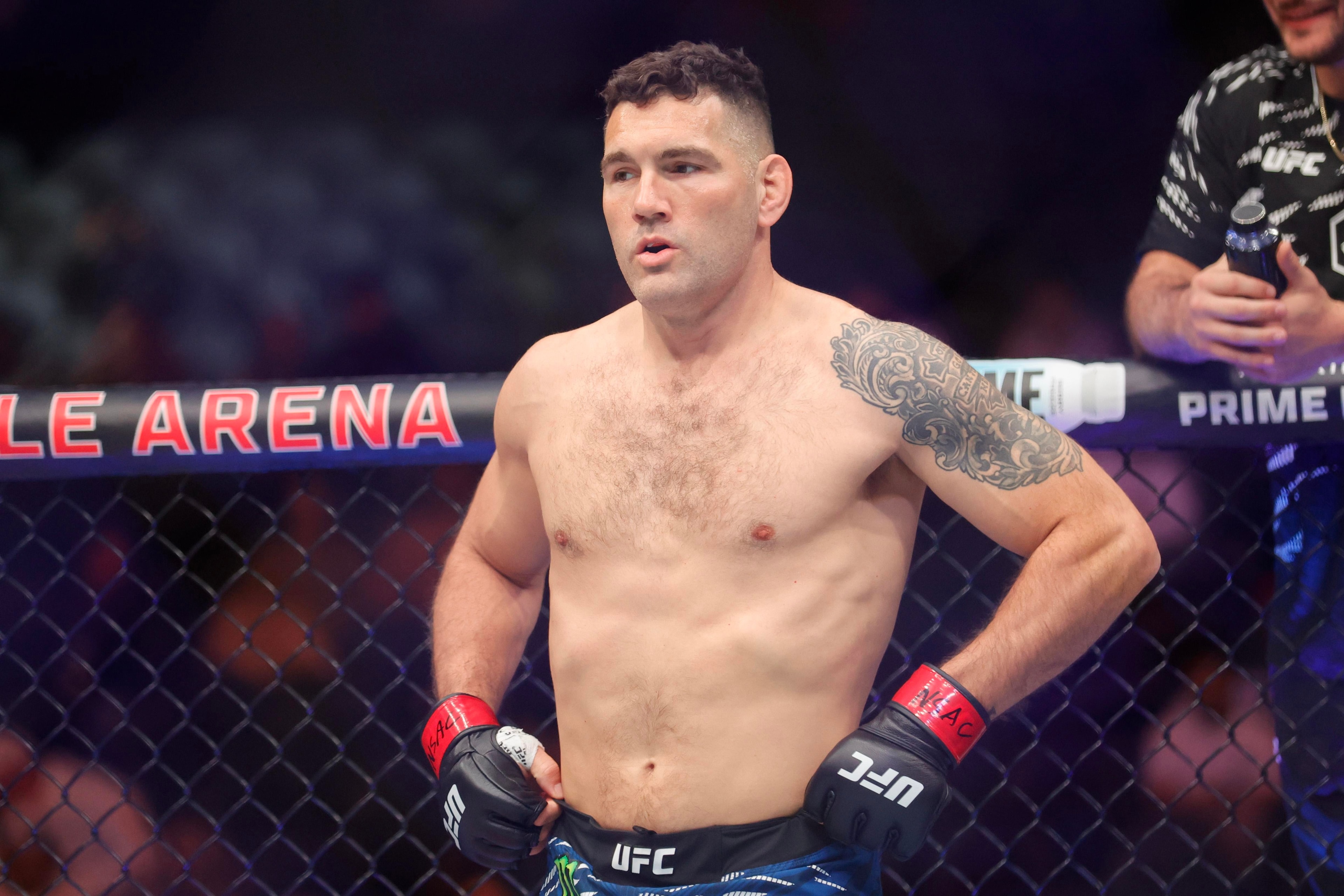
Former UFC stars are trading what they call “war stories” from the era when USADA was the sport’s dominant anti-doping authority in the United States. In a recent discussion carried by Yahoo Sports, fighters including Chris Weidman, Jorge Masvidal, and Dustin Poirier reflected on the friction that could come with out-of-competition testing requirements and the constant pressure of being available on short notice.
The theme across the accounts is not a single alleged violation, but the everyday stress of compliance. The report frames drug testing as a complicated system that required fighters to constantly manage schedules, locations, and communication expectations. For athletes already living out of suitcases, the drug-testing process added another layer of difficulty to ordinary training life, according to the veterans’ recollections.
Weidman, Masvidal, and Poirier are described as comparing notes on how interactions with the testing agency could feel unpredictable and exhausting. The Yahoo Sports piece highlights the intensity of the memories, including Masvidal’s reported sentiment that he “wanted to kill them,” a stark line meant to convey how heated or hostile the experience could feel to fighters dealing with repeated administrative pressure.
The conversation also lands in a broader era change for the sport. The report notes that the UFC no longer works with USADA, even though the fighters’ experiences belong to the period when USADA’s oversight affected how athletes planned their days outside the cage. That contrast matters because modern UFC anti-doping logistics are now managed under a different framework, even if the basic demand for availability and follow-through remains part of elite MMA.
What these recollections do and do not establish is an important caveat. The Yahoo Sports account is focused on personal experiences and frustration, not on new findings or disciplinary action. It does not, in itself, provide documentation of rule-breaking by specific athletes. Instead, it captures how compliance systems can become emotionally charged for fighters who are used to control over training and routines, but not control over testing logistics.
For fans, the immediate value is clarity on how big-picture policy shifts translate into human experience. Even when anti-doping procedures are intended to protect clean sport, the day-to-day burden can shape how athletes talk about the system. The longer-term question is how the sport’s current anti-doping partnership is perceived now that veterans are looking back on USADA-era processes.
Going forward, watch for more public discussion on what the current testing environment looks like from an athlete’s perspective. The sport’s credibility depends on enforcement, but athletes’ willingness to cooperate depends on predictability and fairness. These “war stories” underline why administrators, fighters, and commissions have to keep tightening the operational details, not just the policy language.
Why It Matters
- Anti-doping enforcement is central to UFC’s credibility, and fighter experience helps explain where compliance systems can become burdensome.
- Changes in anti-doping partners can shift logistics for athletes, so public reflections can influence how fighters evaluate the current era.
- The emotional tone in these recollections highlights the importance of clear procedures and communication in maintaining cooperation.
- For the sport, debates about drug testing often extend beyond rules to include the day-to-day fairness of implementation.
Sources
Key Facts
- Yahoo Sports reported that former UFC fighters Chris Weidman, Jorge Masvidal, and Dustin Poirier discussed their experiences with drug testing from the USADA era.
- The report frames the stories as “nightmare” or difficult experiences related to anti-doping administration rather than specific new allegations.
- Masvidal is referenced as having used an unusually harsh quote about wanting to kill the agency, included to convey how intensely negative the process could feel.
- The piece states that the UFC no longer works with USADA, even though these athletes’ memories reflect a prior anti-doping setup.