
THE APEX TIMES
Francis Rivera is pitching through the Rockies system and practicing English along the way
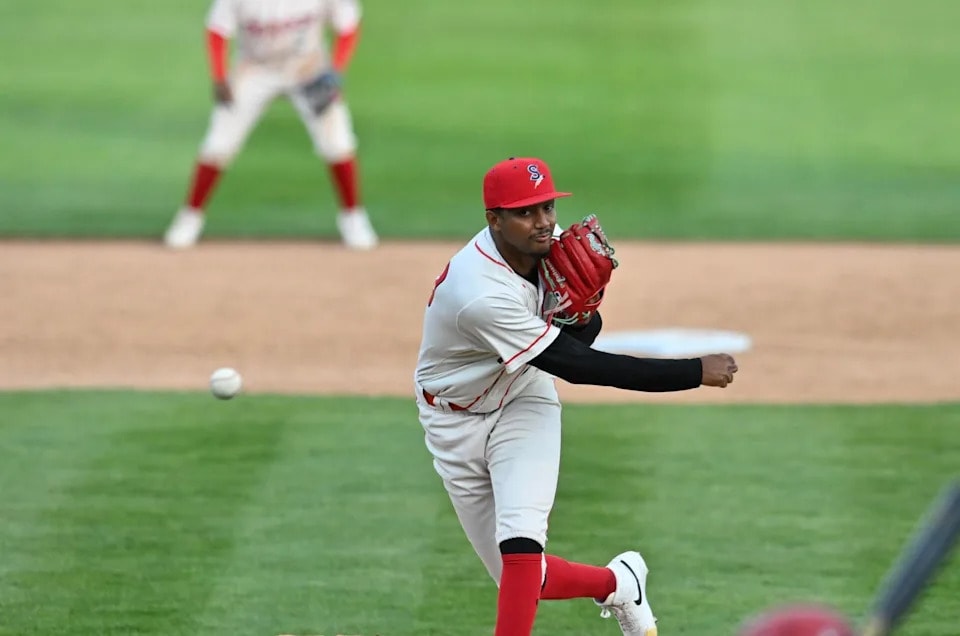
As the Colorado Rockies continue to develop Spanish-speaking prospects in their minor league pipeline, Francis Rivera’s day-to-day routine mixes bullpen work with English lessons designed to help players adapt off the field.
Francis Rivera’s path through the Colorado Rockies’ minor league system looks like a familiar baseball story on the surface. He is working as a pitcher in the organization, taking his turn with the routines and demands that come with learning a new level of professional play. But one detail adds a second storyline to his season: he is also practicing English as part of his adjustment to life in the United States.
Rivera is among the Spanish-speaking players profiled in a broader Yankees- or Yankees-adjacent style culture piece from Purple Row, a publication that focuses on baseball and player experience in the Rockies pipeline. In that series, writers described interviewing Spanish-speaking players and pairing the conversations with an English-learning angle, with the goal of giving players more opportunities to practice language skills and talk through American baseball and culture while they develop in Colorado’s system.
The article frames English instruction as a structured, team-adjacent resource rather than an abstract “try to learn” concept. It notes that English instructor Dr. Paul Worley asked the author team if they would interview some of the students to support their English practice, and the series agreed. That context matters because it positions Rivera’s learning not as a side project, but as part of a deliberate support effort connected to the players’ everyday lives.
For Rivera, the pitching and the English practice run in parallel. The profile emphasizes the dual commitment, describing him pitching through the Rockies minor leagues while also doing the work of learning English. The piece further identifies Rivera as a right-handed pitcher and connects him to the Spokane Indians, a Northwest League affiliate often used as an early stop for prospects beginning their professional careers.
The significance of this type of off-field support in baseball is that it can smooth the transition to a new country, a new language, and a new set of norms. Teams often talk about development in terms of mechanics, command, and pitch sequencing. But for many players, communication is the difference between understanding daily instructions and hearing them as noise, between building trust with coaches and teammates, and between asking for clarification before issues grow.
Rivera’s profile also serves as a reminder that the Rockies’ organizational story is not only about players reaching a major league roster. The club’s minor league work is where habits form early, where players learn how to prepare, recover, and compete, and where language barriers can quietly affect everything from classroom-style meetings to dugout conversation to the ability to fully process feedback from staff.
Going forward, the main thing to watch is whether Rivera’s on-field progress continues in tandem with his off-field adaptation. Because the profile centers on his English practice rather than reporting specific statistics, pitching performance outcomes, or transactions, readers should treat this as a development and culture story first, with baseball performance remaining the next chapter to follow.
If the Rockies’ pipeline continues to lean into structured language learning for Spanish-speaking prospects, Rivera’s experience could become a useful reference point for how organizations support cultural adjustment. For fans, it offers a more complete view of development, one that extends beyond the mound and into the daily work required to thrive in a different environment.
Why It Matters
- Player development is not only about mechanics and performance, communication can shape how quickly a prospect learns coaching and team expectations.
- Structured language support can reduce friction for Spanish-speaking players during their early adjustment to the U.S.
- Stories like Rivera’s widen the view of what the Rockies’ farm system accomplishes beyond preparing athletes for MLB.
- For fans, culture and adaptation stories help explain why the “minor league years” are also personal and social development seasons.
Sources
Key Facts
- The story profiles Francis Rivera, a right-handed pitcher in the Colorado Rockies minor league system.
- Purple Row is conducting a series exploring how Spanish-speaking players learn English and American culture while working through the Rockies organization.
- English instructor Dr. Paul Worley asked the author team to interview some players to create opportunities for them to practice English.
- The profile connects Rivera to the Spokane Indians, identifying him as a pitcher for that team in the minor league system.
- The article emphasizes Rivera’s dual focus on pitching and practicing English, framing adaptation as part of development.