
THE APEX TIMES
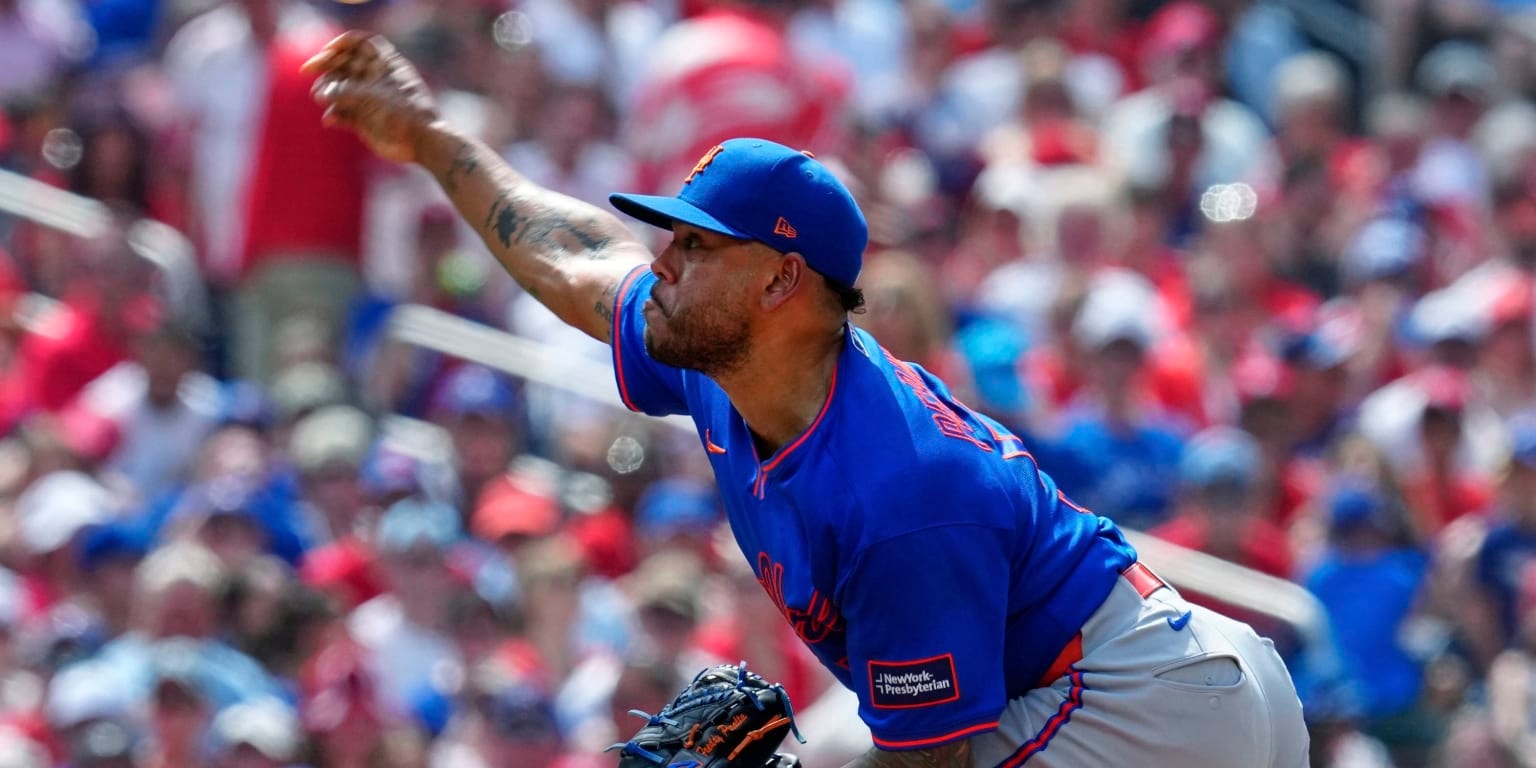
Freddy Peralta’s Trade Deadline value takes a hit as struggles surface for the Mets
As July 1 reshapes the market, the Mets’ best-known starter trade asset is being tested in real time, forcing a narrower path for teams weighing upside against risk.
Freddy Peralta entered the Trade Deadline conversation as the kind of starting pitcher contending clubs typically chase, a two-time All-Star in what the Mets are framing as his physical prime and, critically, a seller-friendly contract window. But in the hours leading up to the Deadline, MLB reported that Peralta’s latest outing and recent performance have injected uncertainty into his market value just as the Mets start weighing what they can realistically get back.
From Toronto, MLB’s team story on Peralta’s situation centered on the gap between reputation and current form. In theory, a controllable innings-eating starter with past All-Star production is among the most useful assets available when playoff teams decide whether to add rotation depth. In reality, the piece noted that Peralta’s value is being tested by his own struggles, which can change the type of return teams are willing to discuss, not just the headline interest.
The Mets’ context matters. MLB’s report described New York as being “last-place” and highlighted the franchise’s longstanding pattern of avoiding long-term commitments to pitchers. That organizational posture is a big reason Peralta has become the focal point of the Mets’ Deadline planning, since it creates a logical pathway for a trade if his performance and health profile are acceptable to the receiving club.
The Deadline dynamic also tends to reward clarity, and Peralta’s current challenge is that clarity is arriving late in the process. Teams searching for a front-end starter often evaluate more than recent results, but those results are the easiest decision-point for front offices under time pressure. When a pitcher’s command, velocity, or sequencing is in question, the market response can shift quickly, with teams leaning toward smaller commitments or more conditional structures rather than betting heavily on the downside-cost of a rough stretch.
Even without projecting specific trade packages, the practical question MLB’s story raises is straightforward: how much risk is a contender willing to absorb in the final weeks before October becomes real. Peralta’s résumé gives him a baseline of credibility, but the report’s emphasis on “latest” struggles suggests that scouts and evaluators now have to determine whether the issues are fixable in-season, matchup-dependent, or part of a longer trend.
For the Mets, the stakes are both baseball and institutional. If Peralta can demonstrate stability, New York’s ability to shape a return improves, because suitors can be confident about role fit in the final month of the regular season. If his problems persist, the Mets may have fewer options beyond settling for a less certain return, which would align with the franchise’s preference to avoid long-term pitcher deals while still trying to convert value into position player help.
The Mets and Peralta are also playing within a narrow timeline, and what to watch next is the most basic thing in baseball evaluation: whether Peralta’s next start looks like an adjustment or a continuation. Does he regain consistent fastball shape and better strike-throwing, or do the same patterns repeat? How the Mets manage his workload and how quickly he shows improvement, or fails to, will likely determine whether his Deadline label remains “premium asset” or becomes a “projection with limits.”
Why It Matters
- Peralta’s current form can directly influence whether the Mets get a strong return for a premium rotation piece.
- For contenders, the distinction between past All-Star production and present-day consistency can determine how aggressive they are at the Deadline.
- A steep drop in Peralta’s market could reshape the Mets’ sell plan, affecting which positions they prioritize in a rebuild push.
- How Peralta responds immediately after the report’s publication will be the clearest indicator of whether his Deadline value stabilizes or continues to erode.
Sources
Key Facts
- MLB reported that Freddy Peralta has experienced recent struggles as the Trade Deadline approaches.
- MLB described Peralta as a two-time All-Star in his physical prime.
- MLB noted Peralta has about three months left on his contract.
- MLB characterized the Mets as being in last place and said the organization typically avoids long-term deals for pitchers.
- The thrust of MLB’s story was that Peralta’s performance is affecting the practical market for his Deadline value.